


News / Africa

Famine Declared in Southern Somalia

One indicator is very high levels of malnutrition, especially in children under five

TEXT SIZE - +
Kim Lewis

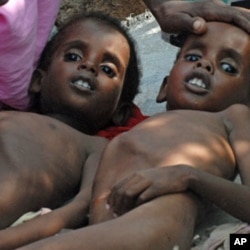
The United Nations has declared a famine in two areas of southern Somalia, amid the worst drought to hit the country in more than 50 years.

Somalia's President Sheikh Sharif Sheikh Ahmed said food has become so scarce that there is "in fact a famine" in his country. He made the comment July 19, while touring a displaced persons camp in the capital, Mogadishu.
Famine Declared in Southern Somalia

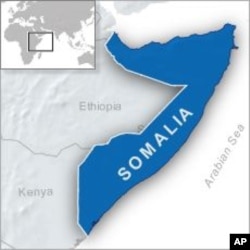
The Bakool and Lower Shabelle regions are the areas struck by famine, according to U.N. spokesman Mark Bowden in Nairobi.

U.S. Secretary of State Hillary Clinton released a statement expressing deep concern about the humanitarian emergency in the Horn of Africa and July 20th.

The United States will provide an additional $28 million in aid to the more than $431 million in food and non-food emergency aid assistance, said Secretary Clinton.

The word “famine” is not used loosely by the United Nations or the international aid community. Three top criteria were used to determine the existence of a famine in Somalia, said Grainne Moloney of the Food and Agriculture Organization. Moloney is the chief technical advisor with the FAO’s Food Security and Nutrition Analysis unit in Nairobi, Kenya.
Famine Declared in Southern Somalia

“One relates to lack of sufficient food at a severe level for poor households, and at least 30% of households need to be suffering at that level -- that they can’t feed themselves or their families.

“The second relates to very high levels of malnutrition, particularly in children under five. We’re talking about greater that 30% acute malnutrition in children under five.

“The third outcome is the death rate in the total population. Once it reaches more than two deaths per 10,000 populations per day in a given area, then that meets the final criteria for famine,” said Moloney.

Others, include a sudden spike in food prices, people selling off everything they own to buy food and people leaving their homes in search of food.
You May Like

Experts Weigh In on Challenges of Closing Guantanamo Prison

Former chief military prosecutor at Guantanamo delivers petition to White House with more than 370,000 signatures, demanding facility be closed down immediately More

Karzai to Discuss Enhancing Defense Ties with India

Afghanistan looking for more military aid as it prepares for withdrawal of NATO forces by next year More

India, China Pledge to Overcome Border Tensions

Indian prime minister and Chinese premier attempt to move past tense standoff in the Himalayas during Delhi talks More

Burmese President Opens US Visit with VOA Town Hall Meeting

Ahead of his meeting with President Obama Monday, Thein Sein answered questions on human rights and economic development in his country More

This forum has been closed.
Comments
     
There are no comments in this forum. Be first and add one

Featured Videos

Your JavaScript is turned off or you have an old version of Adobe's Flash Player. Get the latest Flash player.
Video

Video US Oil Surge Could Impact Mideast Geopolitics

The United States will account for a third of new oil supplies over the next five years, and will become energy self-sufficient in 20 years, according to a new report by the Paris-based International Energy Agency (IEA). Although U.S. oil imports from Arab Gulf countries increased last year, analysts predict the U.S. will lose its dependence on Middle East imports, which is expected to have a huge impact on international relations and the balance of power. VOA's Henry Ridgewell reports.