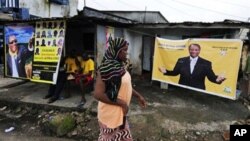
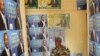
Guinea's military has named a new head of the contentious electoral commission in hopes of pushing through with Sunday's delayed presidential election. Witnesses say police Tuesday killed two supporters of the leading candidate in that vote.
Guinea's interim military ruler General Sekouba Konate has moved to resolve a dispute over the electoral commission that has threatened to further delay Sunday's vote.
In a statement read on national television by presidential spokesman Mohamed Kasse, General Konate says he made the decision after receiving the recommendations of the international community and working with Conakry's diplomatic corps to keep Sunday's second-round presidential run-off on track.
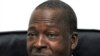
General Konate named General Siaka Toumany Sangare to head the independent national electoral commission. Sanagre has been a technical assistant to the commission and Guinea's ministry of territorial affairs for this vote.
He replaces Louceny Camara, who has been accused of bias by the first-round winner,former prime minister Cellou Diallo.
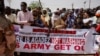
Diallo's party and human rights officials say police Tuesday shot and killed two Diallo supporters during rock-throwing protests in the capital. Police fired tear gas late Monday to break up a similar protest.
Minister of State Tibou Camara called on both Diallo and his opponent Alpha Conde to ensure that this vote comes off peacefully.
Camara says Diallo and Conde should together examine the immediate questions facing this election since they have already agreed to include the loser in the winner's government. Camara says General Konate has now unblocked one of the obstacles by naming a new electoral chief, so that should help ensure a disciplined, orderly, and peaceful second round.
In the name of General Konate, Camara says he would like to launch an appeal to Guinea's political class that democracy can not advance in a climate of violence and defiance of the institutions in place to conduct this election.
Asked about the likelihood that Sunday's vote will be held on schedule, Camara says electoral officials see no technical reasons why it should not.
The vote is meant to return Guinea to civilian rule nearly two years after the military took power following the death of long-time leader Lansana Conte.
Guinea Military Names New Electoral Chief