



News / Middle East

On the Ground: Yemen Edges Toward Civil War

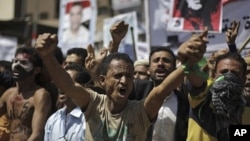
Yemeni protesters chant slogans during a demonstration demanding the resignation of Yemen's president Ali Abdullah Saleh, in Sana'a, Yemen, September 28, 2011.
TEXT SIZE - +
Davin Hutchins

Yemen has seen a spike in violence in recent days triggered in large part by the return of the country’s embattled President Ali Abdullah Saleh from a short-lived exile in Saudi Arabia, where he was being treated for injuries sustained in a June attack on one of his presidential compounds.

Saleh, under pressure of a popular revolt against his regime, has three times been offered a plan to transfer power, but all three times he reneged on promises to sign on to the proposals.

Yemen's foreign minister, Abu Bakr al-Qirbi, said Tuesday that Saleh remains committed to the idea to transfer power to a deputy. The opposition, itself divided between tribes and pro-democracy youth, gives such statements little credence.

Tom Finn in Yemen’s capital, Sana’a, and Davin Hutchins in Washington, D.C, compiled the following report about the current situation in the country.


عودة صالح يرسل اليمن نحو حرب أهلية وقد عاد الرئيس علي عبد الله صالح إلى اليمن من المملكة العربية السعودية. تتصاعد التوترات بين المعارضة الديمقراطية ، والقوات الموالية للنظام والقبائل المتنافسة على السلطة.
Follow our Middle East reports on Twitter
and discuss them on our Facebook page.

You May Like

Karzai to Discuss Enhancing Defense Ties with India

Afghanistan looking for more military aid as it prepares for withdrawal of NATO forces by next year More

India, China Pledge to Overcome Border Tensions

Indian prime minister and Chinese premier attempt to move past tense standoff in the Himalayas during Delhi talks More

Burmese President Opens US Visit with VOA Town Hall Meeting

Ahead of his meeting with President Obama Monday, Thein Sein answered questions on human rights and economic development in his country More

This forum has been closed.
Comments
     
There are no comments in this forum. Be first and add one

Featured Videos

Your JavaScript is turned off or you have an old version of Adobe's Flash Player. Get the latest Flash player.
Video

Video US Oil Surge Could Impact Mideast Geopolitics

The United States will account for a third of new oil supplies over the next five years, and will become energy self-sufficient in 20 years, according to a new report by the Paris-based International Energy Agency (IEA). Although U.S. oil imports from Arab Gulf countries increased last year, analysts predict the U.S. will lose its dependence on Middle East imports, which is expected to have a huge impact on international relations and the balance of power. VOA's Henry Ridgewell reports.