



The United States cautioned Ethiopia Wednesday that future bilateral relations will be shaped by whether the Addis Ababa government is responsive to international criticism of its just-completed elections.
The State Department said the election rules heavily favored the ruling party, which virtually swept the parliamentary vote.
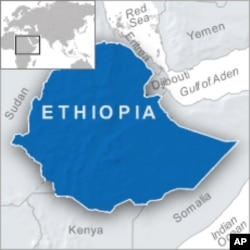
The Obama administration says while it values Ethiopian cooperation on regional security and other issues, it is disappointed with the conduct of the election and warned that the relationship will be affected by whether or not the government addresses election concerns.
The comments follow the release of provisional election results in Addis Ababa showing the ruling party and its allies winning all but three of more than 500 parliamentary seats.
State Department Spokesman P.J. Crowley said freedom of choice for Ethiopian voters was "constrained" throughout the electoral process by actions of the government of Prime Minister Meles Zenawi, the national elections board, and the ruling party and its supporters.
He said election laws and procedures enacted after the country's last election in 2005 created a "clear and decisive" advantage for the ruling EPDRF coalition.
Crowley said it is important that steps be taken to "level the playing field" and to allow all factions to take part in the process without fear or favor. Whether that occurs, he said, will "influence the future direction" of U.S. Ethiopian relations.
"To the extent that Ethiopia values the relationship with the United States, then we think they should heed this very direct and strong message," he said. "We value the cooperation that we have with the Ethiopian government on a range of issues including regional security, including climate change for example. So we will continue to engage this government. But we will make clear that there are steps that it needs to take to improve democratic institutions," Crawley stressed.
While the Ethiopian government has said the election was free, fair and democratic, the European Union and the White House - in a statement late Tuesday - said it fell short of international standards.
The White House statement expressed disappointment that U.S. embassy officials, seeking to observe the Sunday voting, were denied permission to travel outside the capital to visit polling places.
It commended the people of Ethiopia for their civic participation and the fact that the voting was peaceful, but it said limits on observers and harassment of independent media representatives were "deeply troubling."