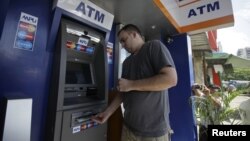
With the easing of longstanding U.S. economic sanctions against Burma, major American companies are quickly starting to invest in the Southeast Asian nation.
Competing soft drink giants Coca-Cola and Pepsi-Co. are returning to Burma for the first time in many years. Meanwhile, both MasterCard and Visa have reached deals with Burmese banks for use of their internationally-known credit cards. The ConocoPhillips and Chevron energy companies have been looking for investment opportunities as well.
U.S. President Barack Obama in July eased restrictions on American investment in Burma after Burmese President Thein Sein moved away from strict military control and embraced initial democratic reforms.
Obama made a short trip to Burma Monday, the first serving U.S. president to visit the country. He praised Burma's move toward democracy, while calling for more changes, which he said would lead to more U.S. economic investment.
"So today I've come to keep my promise, and extend the hand of friendship," said Obama. "America now has an ambassador in Rangoon, sanctions have been eased, and we will help rebuild an economy that can offer opportunities for its people and serve as an engine of growth for the world.''
Analysts say that Burma represents a new Asian market, after decades of being largely closed to investment from Western companies. The International Monetary Fund says Burma's economy will expand 6 percent this year, with direct foreign investment increasing 40 percent to a record of nearly $4 billion.
Natural gas is the country's biggest revenue source, but Burma needs to find new reserves to reverse a recent 15 percent annual depletion of the commodity.
Competing soft drink giants Coca-Cola and Pepsi-Co. are returning to Burma for the first time in many years. Meanwhile, both MasterCard and Visa have reached deals with Burmese banks for use of their internationally-known credit cards. The ConocoPhillips and Chevron energy companies have been looking for investment opportunities as well.
U.S. President Barack Obama in July eased restrictions on American investment in Burma after Burmese President Thein Sein moved away from strict military control and embraced initial democratic reforms.
Obama made a short trip to Burma Monday, the first serving U.S. president to visit the country. He praised Burma's move toward democracy, while calling for more changes, which he said would lead to more U.S. economic investment.
"So today I've come to keep my promise, and extend the hand of friendship," said Obama. "America now has an ambassador in Rangoon, sanctions have been eased, and we will help rebuild an economy that can offer opportunities for its people and serve as an engine of growth for the world.''
Analysts say that Burma represents a new Asian market, after decades of being largely closed to investment from Western companies. The International Monetary Fund says Burma's economy will expand 6 percent this year, with direct foreign investment increasing 40 percent to a record of nearly $4 billion.
Natural gas is the country's biggest revenue source, but Burma needs to find new reserves to reverse a recent 15 percent annual depletion of the commodity.