Bangladeshi police detain a suspected Jamaat-e-Islami activist in front of the Baitul Mukarram, the national mosque in Dhaka, March 1, 2013.
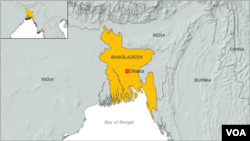
At least 44 people have been killed in Bangladesh in a wave of violence sparked by a special tribunal's decision to sentence a top Islamist opposition leader to death.
Reports Friday said the latest deaths took place in Gainbandha district, after two days of clashes between protesters and police. The protests were expected to continue after Friday prayers.
Many of the victims were shot Thursday in clashes between security forces and supporters of Delwar Hossain Sayedee. He was found guilty of crimes, including mass killings and rape, committed during the 1971 war against Pakistan for Bangladesh's independence.
Thursday's violence occurred during a nationwide shutdown called by Sayedee's party, Jamaat-e-Islami, to protest his trial and demand he be freed.
A VOA reporter in Dhaka, Zahurul Alam, said two police officers were among the dead, and more than 200 people were wounded. He said Jamaat-e-Islami has called for another nationwide shutdown starting early Sunday.
"Jamaat has again called a 48-hour-long continuous countrywide shutdown from Sunday morning in protest of the verdict against Sayedee and the killing of his supporters by BGB and police," he said.
Sayedee's lawyer has called the verdict unjust and vowed to appeal. Sayedee is the third Jamaat party member to be sentenced for war crimes since Bangladesh's war crimes tribunal was established in 2010.
Dozens Killed in Bangladesh Clashes
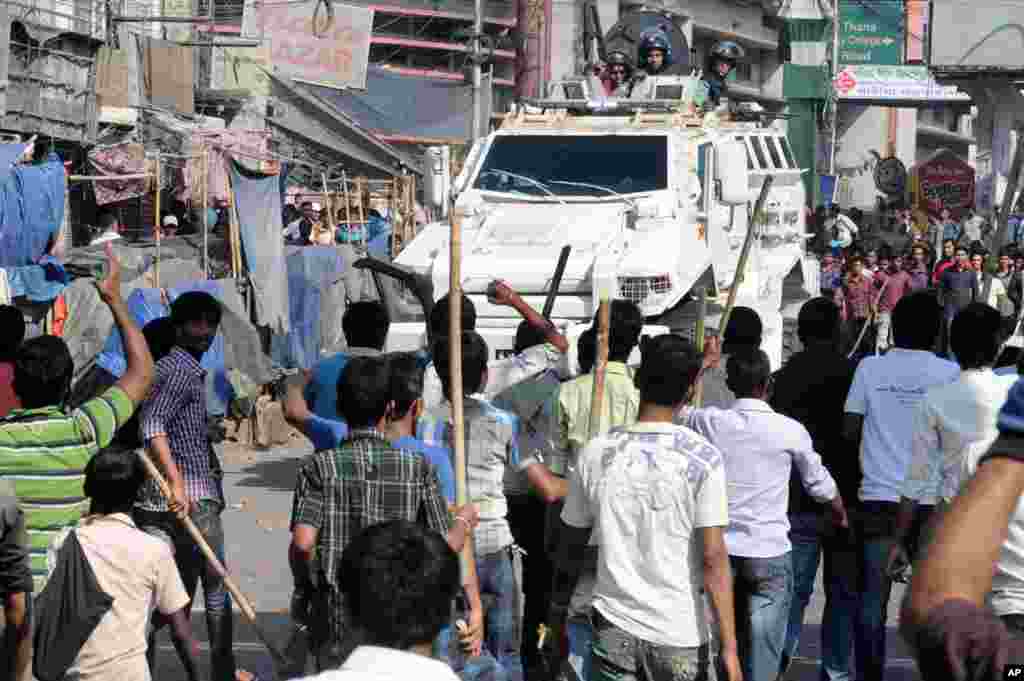
1/5Members of Islamic party Jamaat-e-Islami attack a security vehicle during a strike called by the party in Chittagong, Bangladesh, Feb. 28, 2013.
The wave of violence was sparked by a special tribunal's decision to sentence a top Islamist opposition leader to death.
Show moreShow less
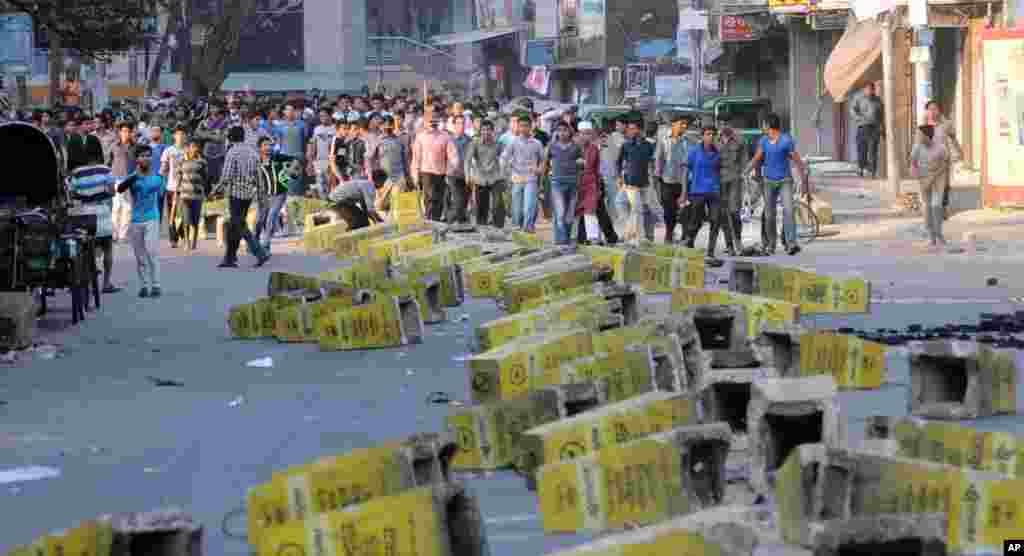
2/5Jamaat-e-Islami members stand during a clash with police in Chittagong, Feb. 28, 2013.
The wave of violence was sparked by a special tribunal's decision to sentence a top Islamist opposition leader to death.
Show moreShow less
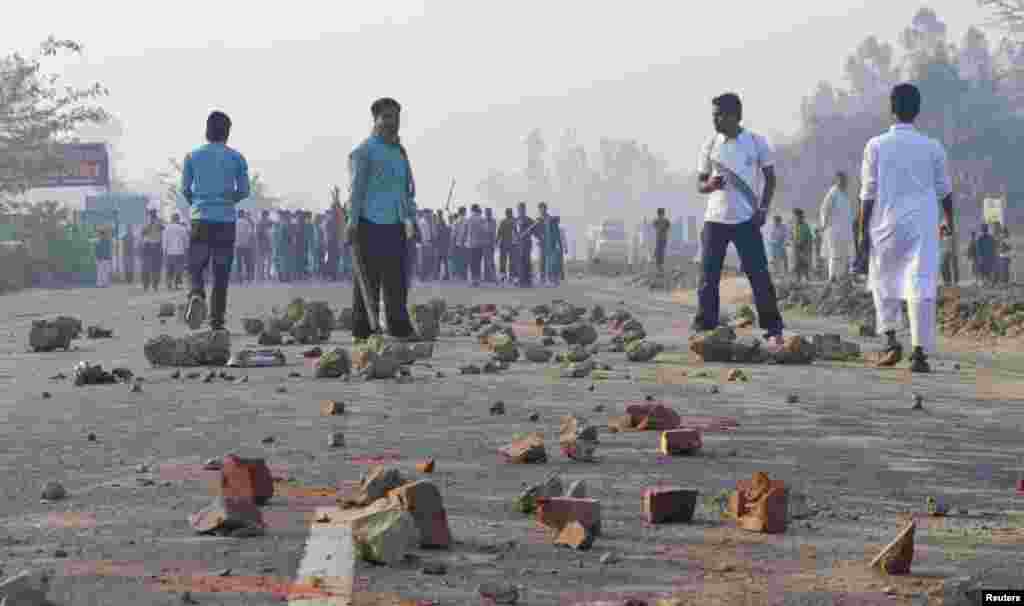
3/5Jamaat-e-Islami members set up road blocks during a strike called by the party in Chittagong, Feb. 28, 2013.
The wave of violence was sparked by a special tribunal's decision to sentence a top Islamist opposition leader to death.
Show moreShow less
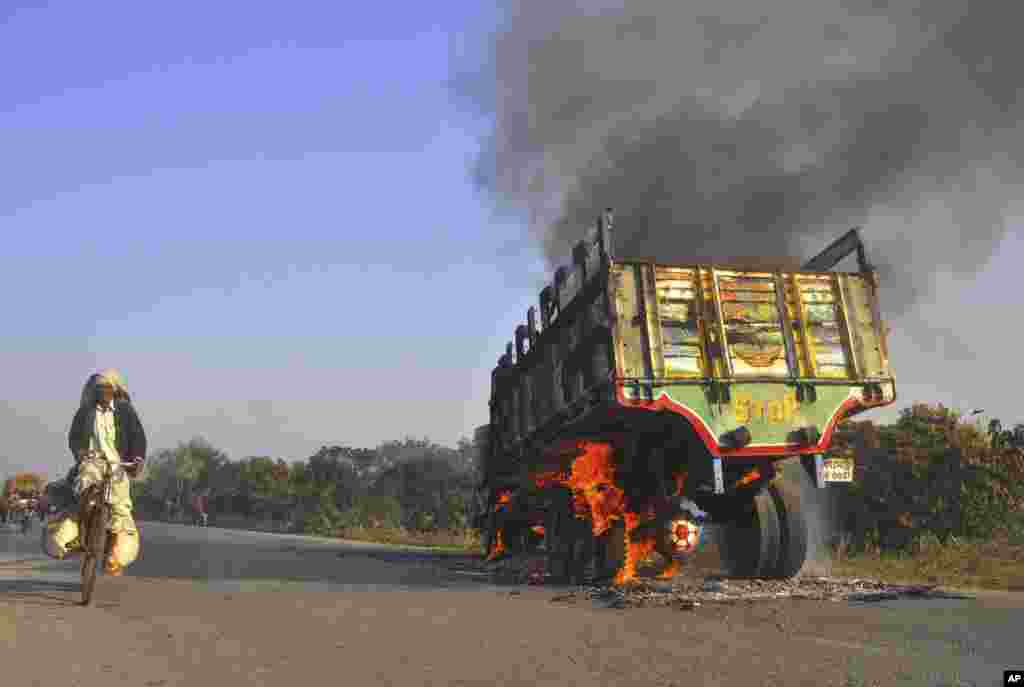
4/5A man rides past a truck set on fire during a strike called by Jamaat-e-Islami in Rajshahi, Bangladesh, Feb. 28, 2013.
The wave of violence was sparked by a special tribunal's decision to sentence a top Islamist opposition leader to death.
Show moreShow less
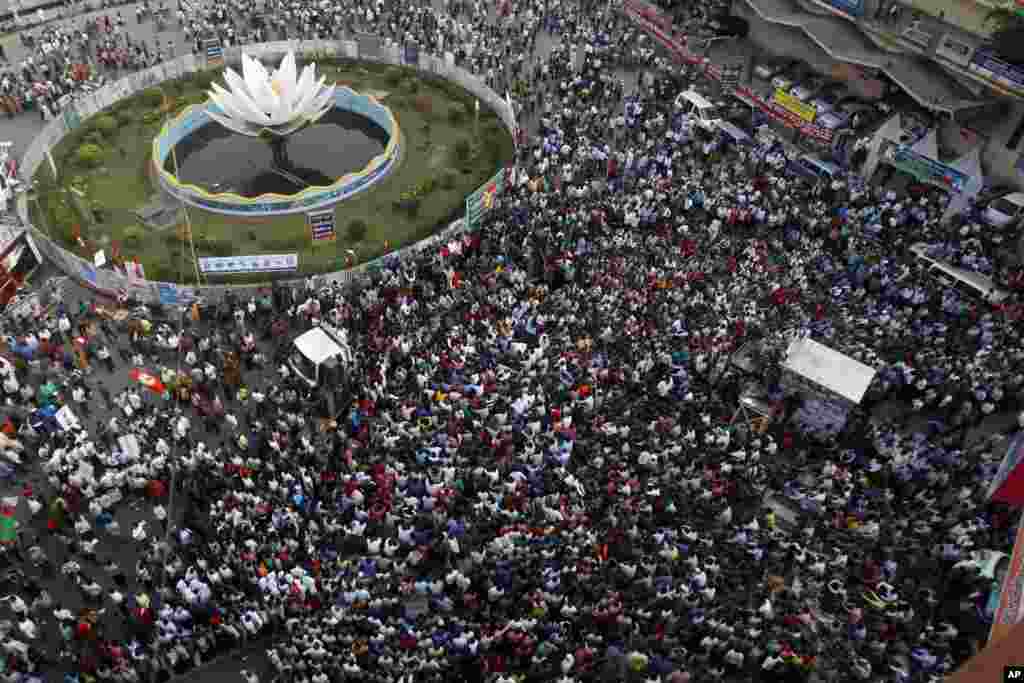
5/5Bangladesh’s ruling party supporters and others gather for a protest in Dhaka, Bangladesh, Feb. 27, 2013.
The wave of violence was sparked by a special tribunal's decision to sentence a top Islamist opposition leader to death.
Show moreShow less
Previous slide
Next slide
On January 21, the tribunal sentenced Abul Kalam Azad to death in absentia, finding him guilty of torture, rape and genocide. On February 5, it sentenced Abdul Quader Mollah to life in prison on similar charges. At least eight more Jamaat members are still on trial.
Human rights groups have questioned the fairness of the trials, saying members of the defense have been unduly pressured.
Bangladesh fought a nine-month war against Pakistan in 1971 to obtain its independence. The government says 3 million people died in the violence, although other estimates give a lower death toll.
The Voice of America provides news and information in more than 40 languages to an estimated weekly audience of over 326 million people. Stories with the VOA News byline are the work of multiple VOA journalists and may contain information from wire service reports.