BEIRUT —
Only 20 years ago, Beirut was in ruins after its civil war. Today, it’s the turn of neighboring Syria to go through civil war. But the rebirth of Beirut, Lebanon’s capital, shows how cities can bounce back.
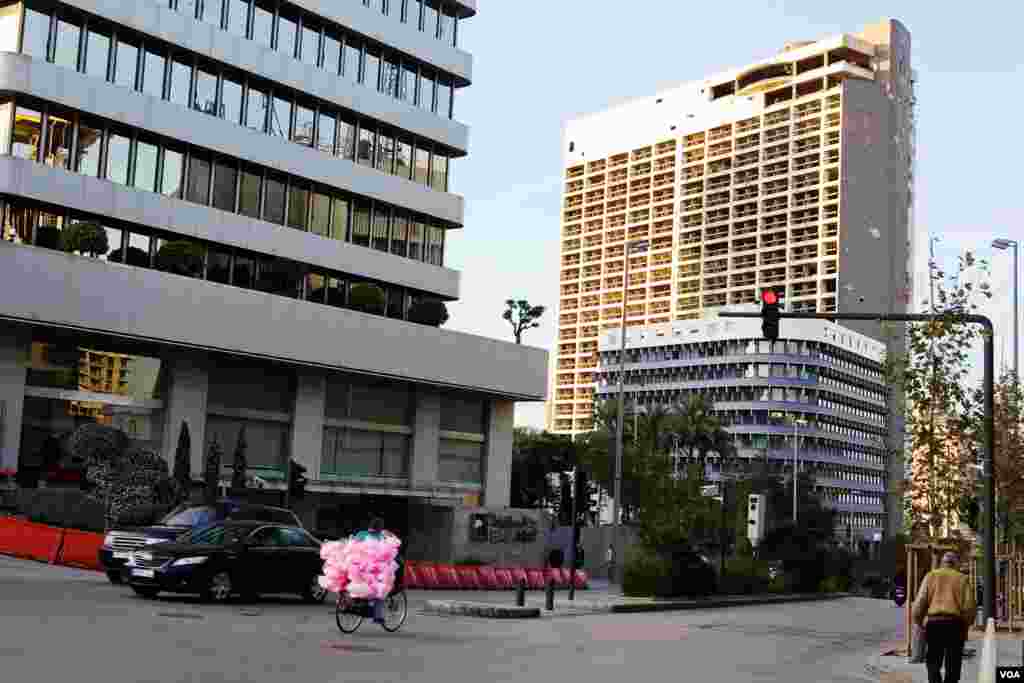
Beirut's old Holiday Inn, pockmarked by bullet holes, reminds visitors how gun battles once raged along the Green Line that divided Muslim West from Christian East.
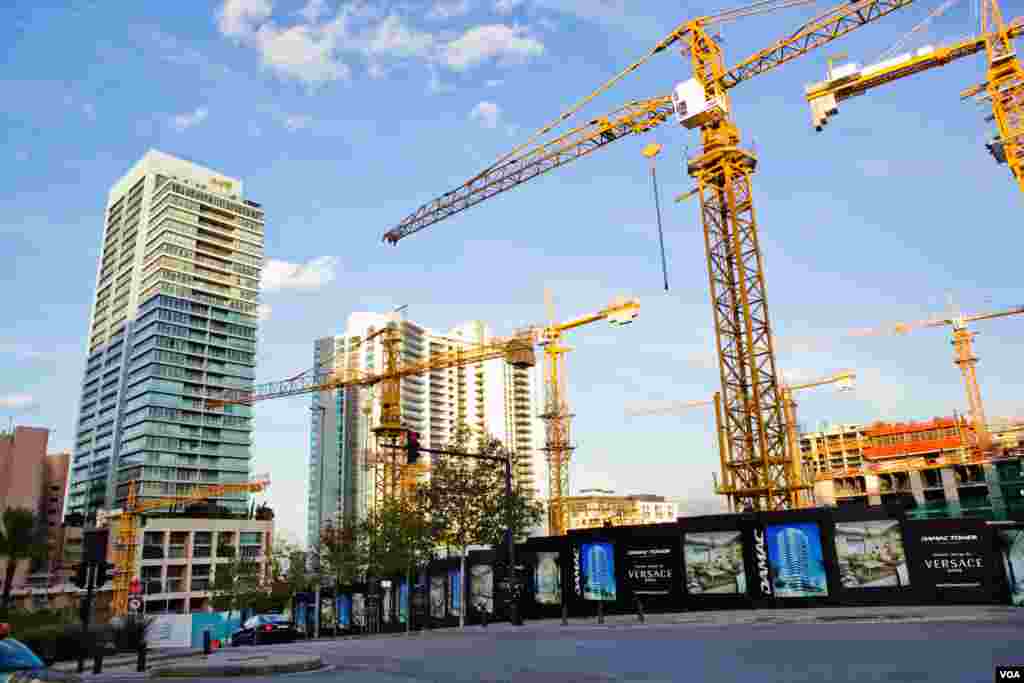
One generation later, street cafes are filled. Beirut’s new cityscape is one of elegant shop windows, high-rise apartment and office towers - and construction cranes. Beirut has been largely rebuilt.
Oliver Martin-Robinson, a British analyst here, watches high-rises sprout up. “There’s a big boom in Lebanon in building, and it’s been going on for quite a while,” says Martin-Robinson. “It’s generally focused on luxury properties, luxury office space as well in downtown.”
Ronnie Chatah, a city historian, leads Walk Beirut, a city tour. He has a hard time finding buildings surviving from the Ottoman and French colonial periods of a century ago. “There are pockets within Beirut, they’re called traditional quarters, there is some belated restoration,” said Chatah. “There isn’t much of it. I think reconstruction, or at least redevelopment took precedence over restoration, and I think at a loss to Beirut’s history, or at least its architectural history.”
Beirut Rebuilds
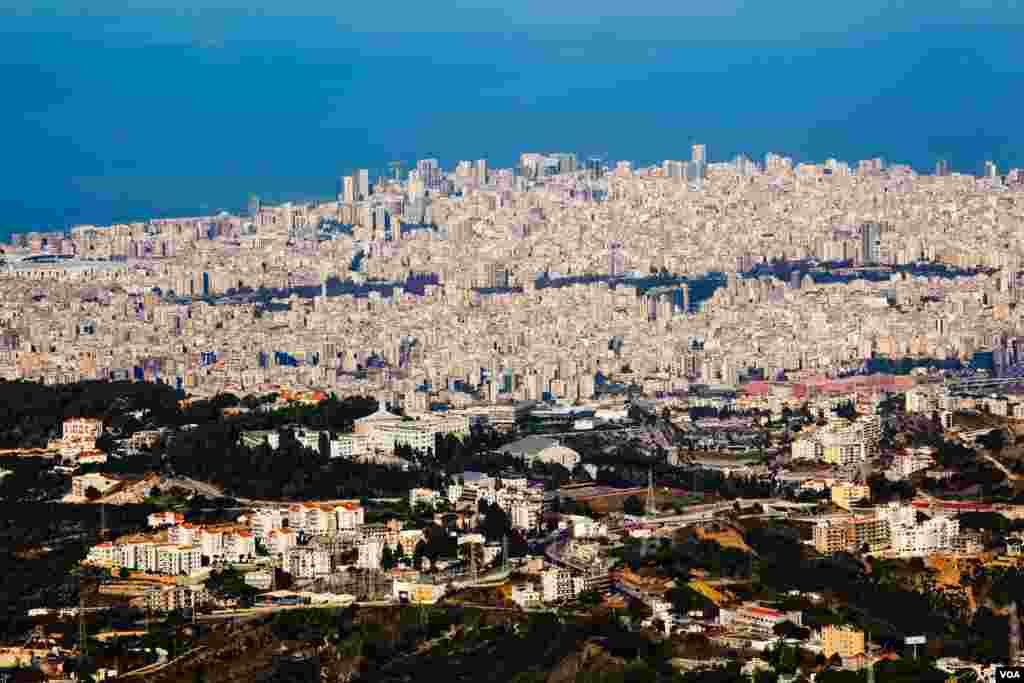
1/11An overview of Beirut, Lebanon, which bounced back partly because of its location on the water. (VOA/V. Undritz)
War may be raging next door in Syria, but Beirut continues to build. One generation after the Lebanese Civil War ended in 1990s, a visitor has to search for evidence of war damage in the "Paris of the Middle East."
Show moreShow less
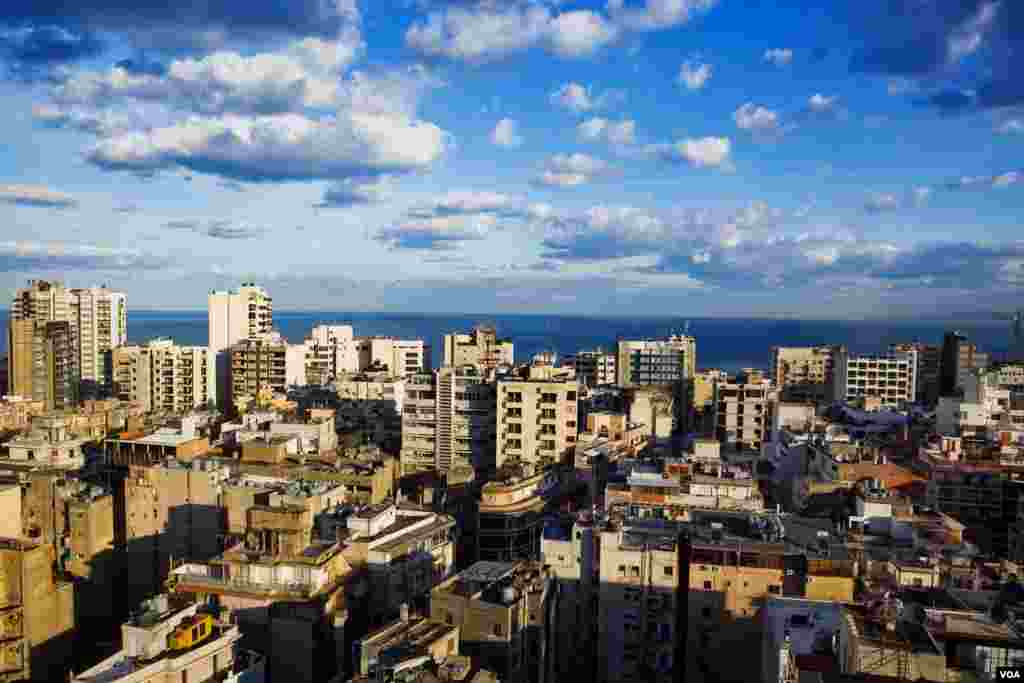
2/11Beirut buildings rise higher and higher as everyone struggles to get a sea view. (VOA/V. Undritz)
War may be raging next door in Syria, but Beirut continues to build. One generation after the Lebanese Civil War ended in 1990s, a visitor has to search for evidence of war damage in the "Paris of the Middle East."
War may be raging next door in Syria, but Beirut continues to build. One generation after the Lebanese Civil War ended in 1990s, a visitor has to search for evidence of war damage in the "Paris of the Middle East."
Show moreShow less
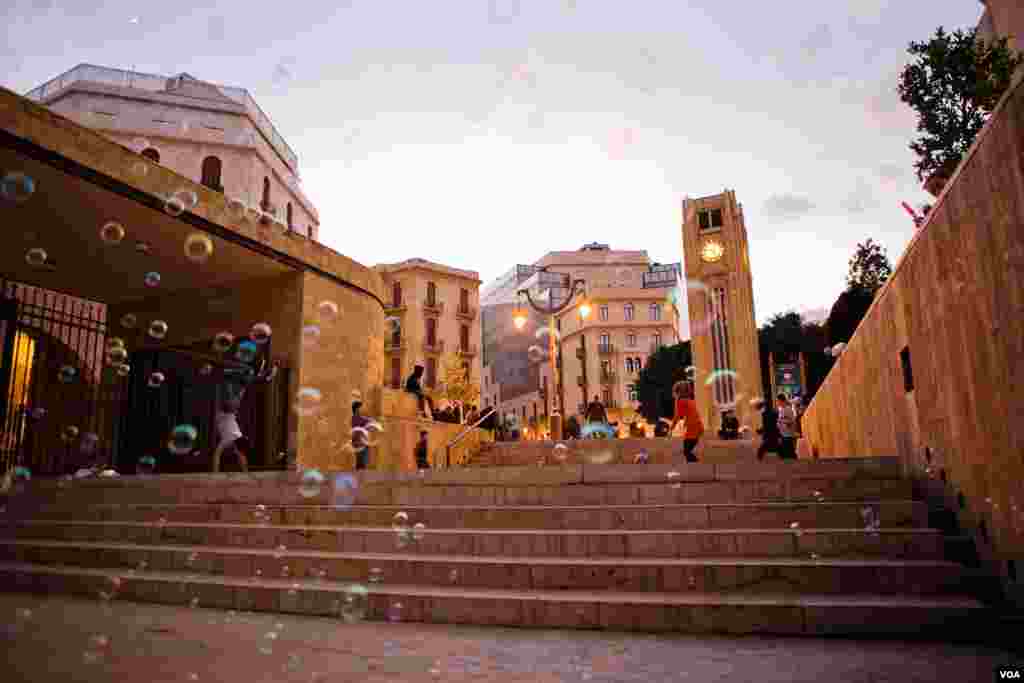
4/11Place de l’Etoile was once a sniper’s alley of ravaged buildings. The square has been painstaking reconstructed, including the French colonial clock tower. (VOA/V. Undritz)
War may be raging next door in Syria, but Beirut continues to build. One generation after the Lebanese Civil War ended in 1990s, a visitor has to search for evidence of war damage in the "Paris of the Middle East."
Show moreShow less
5/11Survivors sit in front of their tents near the site of the landslide that killed hundreds of people. Authorities are trying to help the 700 families displaced by the torrent of mud that swept through their village, in Badakhshan province, northeastern Afghanistan, May 6, 2014.
War may be raging next door in Syria, but Beirut continues to build. One generation after the Lebanese Civil War ended in 1990s, a visitor has to search for evidence of war damage in the "Paris of the Middle East."
Show moreShow less
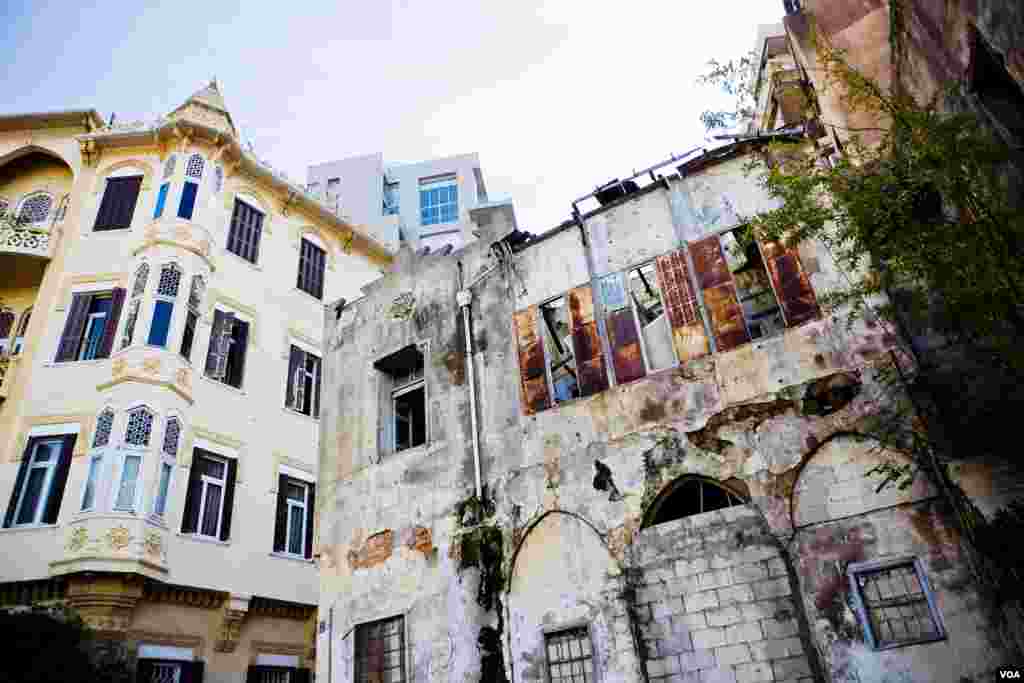
6/11A decaying Ottoman-era house across a street from a well maintained one. (VOA/V. Undritz)
War may be raging next door in Syria, but Beirut continues to build. One generation after the Lebanese Civil War ended in 1990s, a visitor has to search for evidence of war damage in the "Paris of the Middle East."
Show moreShow less
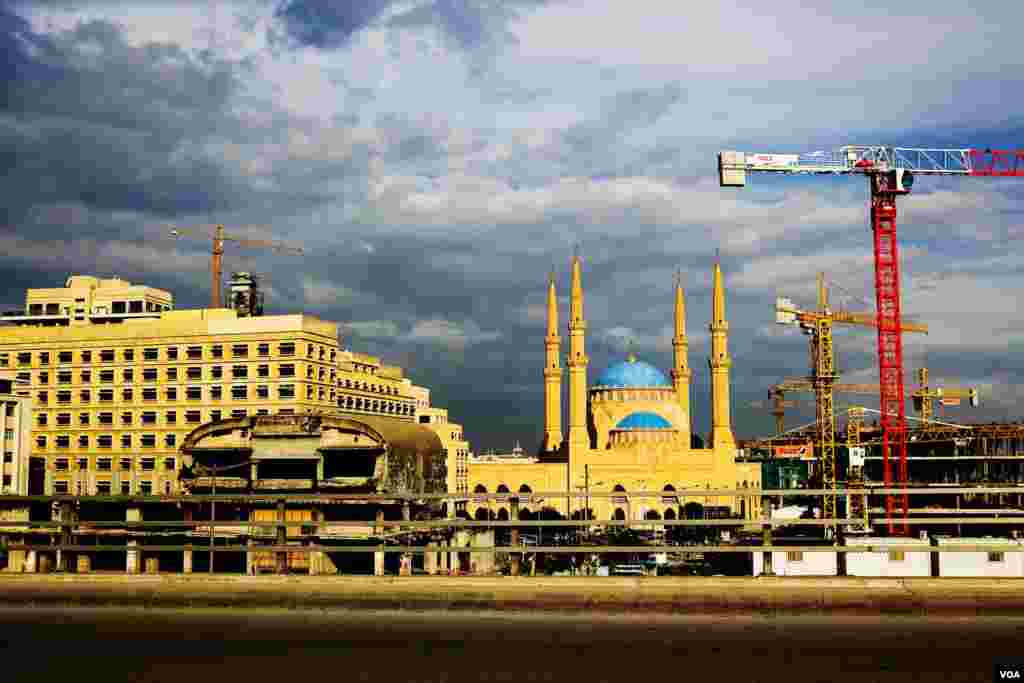
7/11Construction cranes and a bombed out, egg-shaped movie theater near the blue domed Mohammad Al-Amin Mosque, which was completed in 2007. (VOA/V. Undritz)
War may be raging next door in Syria, but Beirut continues to build. One generation after the Lebanese Civil War ended in 1990s, a visitor has to search for evidence of war damage in the "Paris of the Middle East."
Show moreShow less
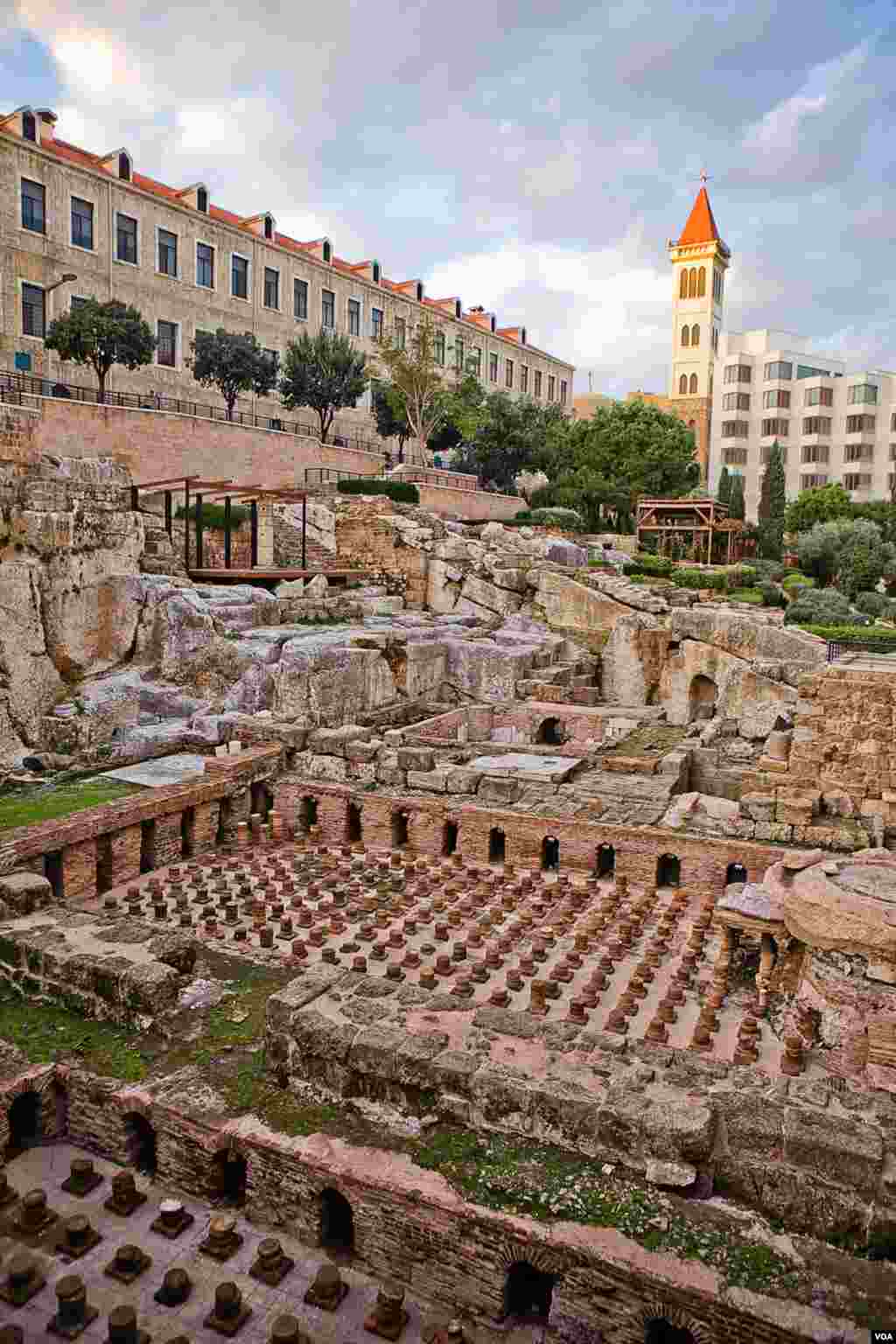
8/11The destruction of a French colonial government building from the 1920s during the civil war uncovered Roman baths from 2,000 years ago. (VOA/V. Undritz)
War may be raging next door in Syria, but Beirut continues to build. One generation after the Lebanese Civil War ended in 1990s, a visitor has to search for evidence of war damage in the "Paris of the Middle East."
Show moreShow less
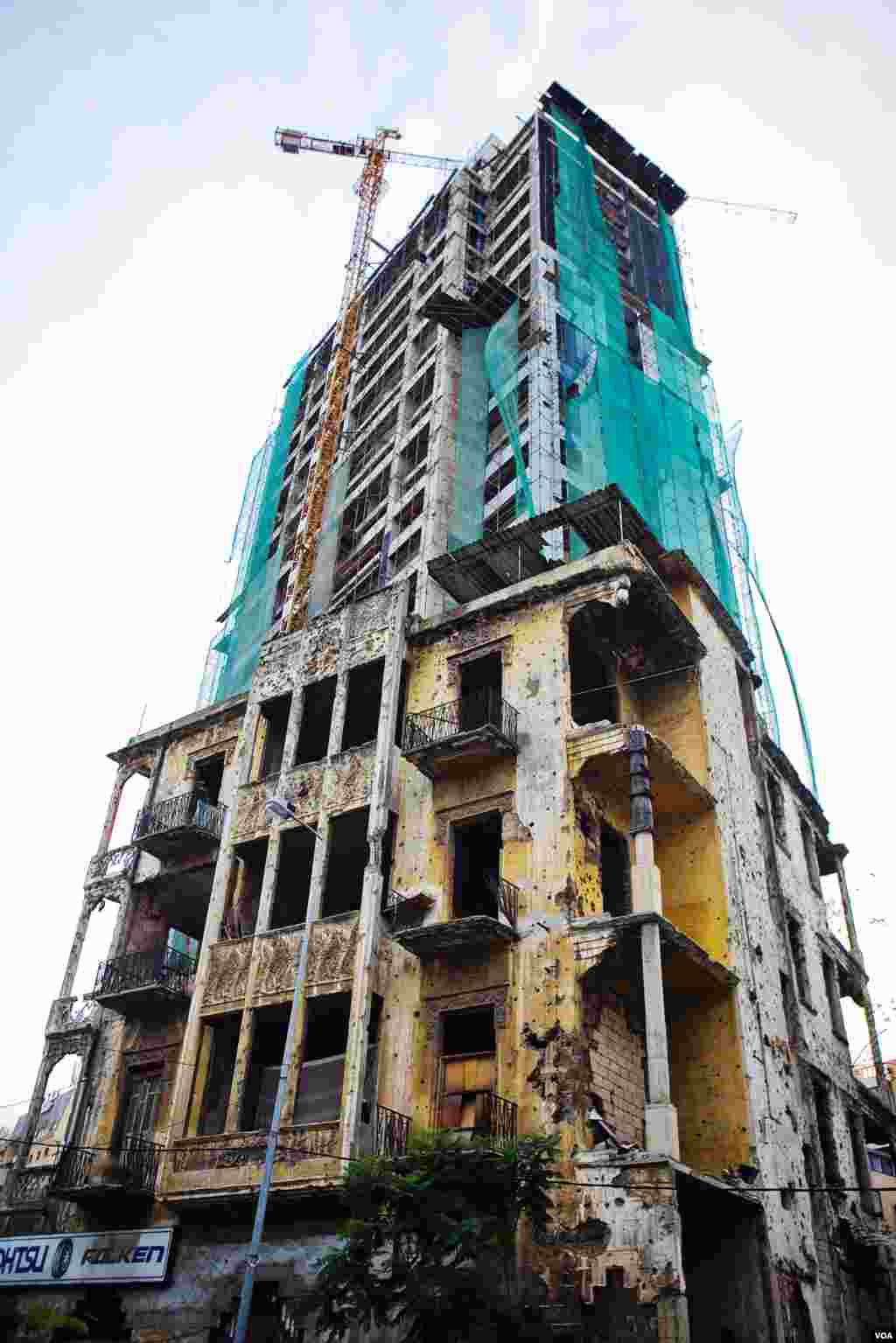
9/11With the building frenzy reshaping Beirut, it takes a little looking to find the archaeological layer of the 1975-1990 Lebanese Civil War, only one generation ago. (VOA/V. Undritz)
War may be raging next door in Syria, but Beirut continues to build. One generation after the Lebanese Civil War ended in 1990s, a visitor has to search for evidence of war damage in the "Paris of the Middle East."
Show moreShow less
10/11The scarred hulk of the old Holiday Inn, with bushes sprouting out of the old Sky Bar, looms over downtown Beirut – a reminder of the 15-year civil war that ended in 1990. (VOA/V. Undritz)
War may be raging next door in Syria, but Beirut continues to build. One generation after the Lebanese Civil War ended in 1990s, a visitor has to search for evidence of war damage in the "Paris of the Middle East."
Show moreShow less
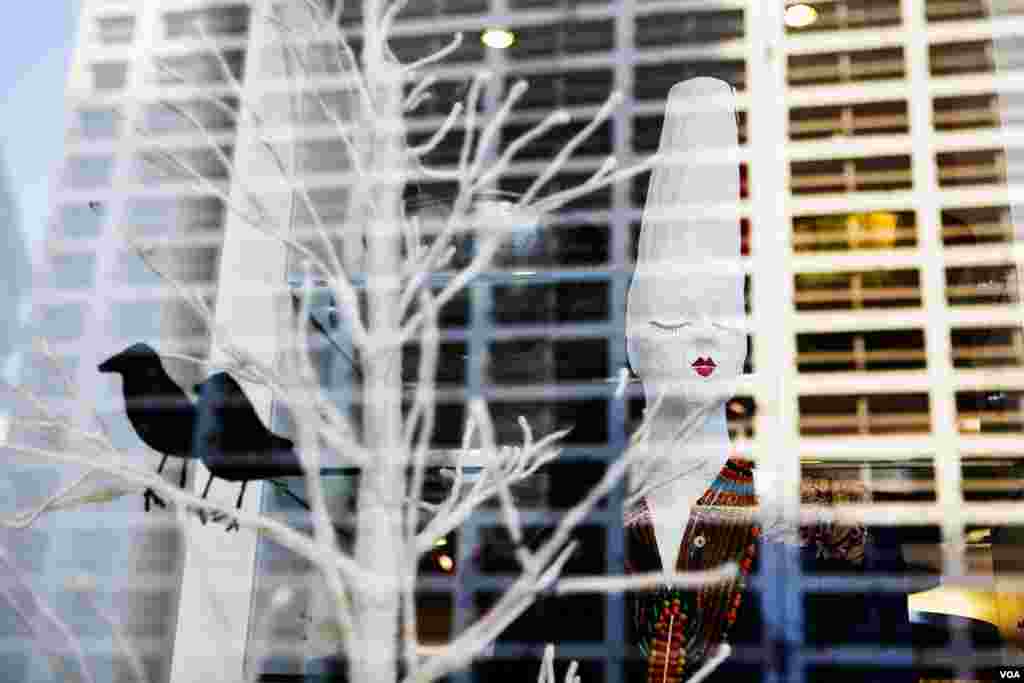
11/11A high end boutique near the old Holiday Inn, where the Lebanese Army parks armored personnel carriers. (VOA/V. Undritz)
War may be raging next door in Syria, but Beirut continues to build. One generation after the Lebanese Civil War ended in 1990s, a visitor has to search for evidence of war damage in the "Paris of the Middle East."
Show moreShow less
Previous slide
Next slide
Many luxury shopping malls and million-dollar apartments were built for ‘Gulfies.’ These wealthy tourists from the Persian Gulf came to enjoy Beirut’s lifestyle - historically tolerant and sometimes hedonistic.
But after civil war broke out in Syria, reports of violence scared away tourists. The governments of Gulf nations and of Turkey have warned their citizens not to visit Beirut this year because of the threat of spillover violence from Syria.
Martin-Robinson again: “Occupancy rates are generally very low in downtown. You can see that in the fact that there just aren’t many people around here. A lot of it is owned by people from the Gulf. As you know, they’ve been staying away, so the places have remained empty.”
Despite war next door, buildings keep rising in Beirut.
Chatah, the tour guide, says it is a mix of location and of Lebanese entrepreneurial spirit. “Beirut’s location is its beauty and its curse at the same time," says Chatah. Yes it’s on the Mediterranean. It has this beautiful backdrop - Mount Lebanon, snowcapped mountain. And at the same time, this is where most of the Middle East wars are fought - here in Beirut.”
One stop on his tour is a newly discovered, 2,000-year-old Roman bath. It had been hidden for centuries, most recently under a French colonial government building.
Since the Roman era, Beirut has gone through earthquakes, wars and invasions. Each time, “the Diamond of the Middle East” bounces back, with a sparkle.