Brazil’s Coastal Rainforest Suffers Widespread Species Extinction
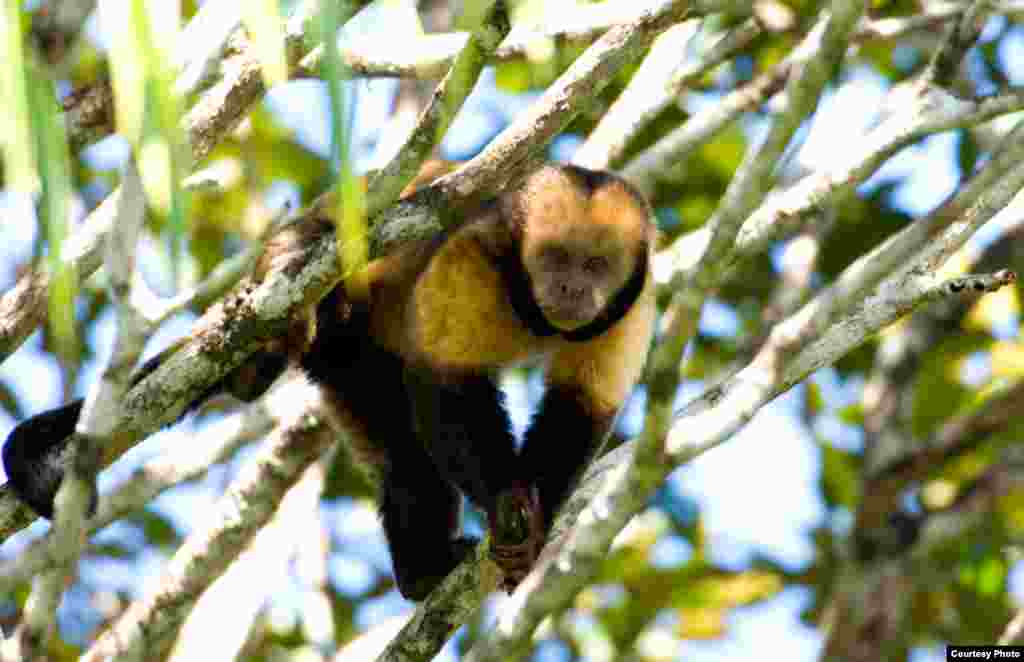
A yellow-breasted capuchin monkey at Una Biological Reserve in Bahia, Brazil, is a critically-endangered primate targeted by hunters for bush meat. (Photo / Luciano Candisani)
The Atlantic forest in Brazil, once a part of the great Amazon basin on the South American continent, is suffering from widespread species loss according to a new study.
Ecologist Carlos Peres with England’s University of East Anglia and then University of Cambridge graduate student Gustavo Canale traveled through the region between 2003 and 2005. They documented 200 of the largest and least disturbed old-growth forest fragments in the vast region of the Atlantic forest.
On average, they found only four of the 18 mammal species they were looking for. Canale, now working in Brazil at the State University of Mato Grosso, says he and Peres drew largely on information from wildlife surveys, camera traps, and interviews with local people.
The scientists were surprised that even in what looked like healthy forest cover, the larger mammals were absent.
“The situation was worse than we thought,” Canale said.
“All the charismatic species,” said Peres, “the large primates, the large ungulates, brocket deer, tapirs, giant anteaters, jaguars, the large cats, all of those things are pretty much gone from even fragments that look on the surface of it, okay, in terms of forest cover.”
Brazil’s Coastal Rainforest Suffers Species Extinction
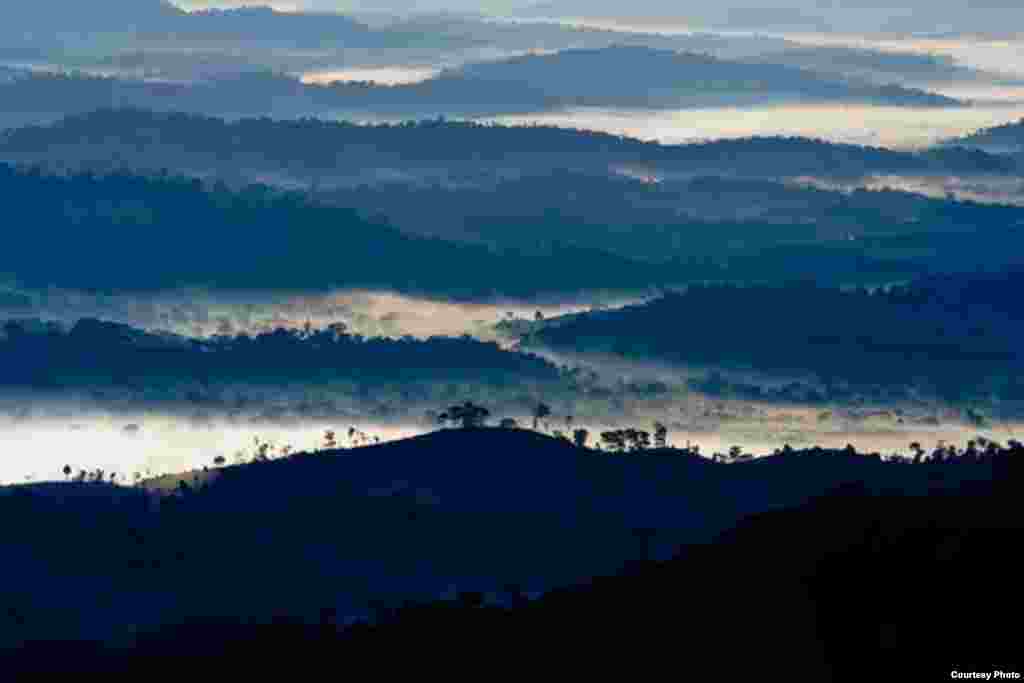
1/12The protection of the Atlantic forest is critical for the provision of services for millions, such as clean water, carbon storage, tourism revenue and others. (Credit: Robin Moore/iLCP/Conservation International)
The Atlantic forest in Brazil, once a part of the great Amazon basin on the South American continent, is suffering from widespread species loss according to a new study.
Show moreShow less
2/12The yellow breasted capuchin monkey (S.xanthosternos) at Una Biological Reserve in Bahia, Brazil, is a critically-endangered primate targeted by hunters for bush meat. (Credit: Luciano Candisani)
The Atlantic forest in Brazil, once a part of the great Amazon basin on the South American continent, is suffering from widespread species loss according to a new study.
Show moreShow less
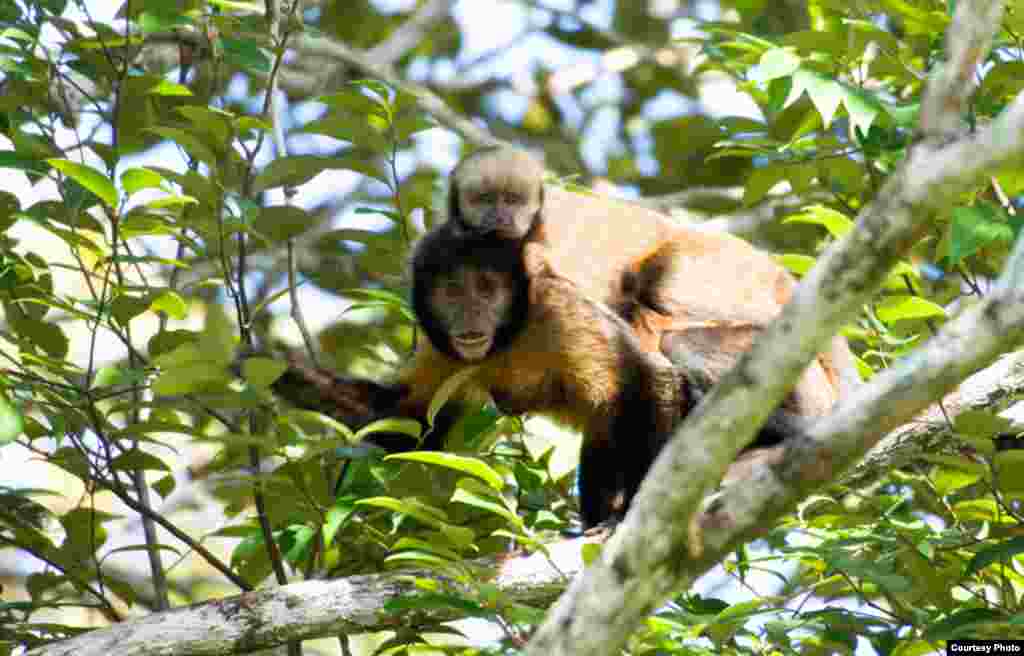
3/12Yellow breasted capuchin monkeys. Mothers are shot to take babies as pets. (Credit: Luciano Candisan)
The Atlantic forest in Brazil, once a part of the great Amazon basin on the South American continent, is suffering from widespread species loss according to a new study.
Show moreShow less
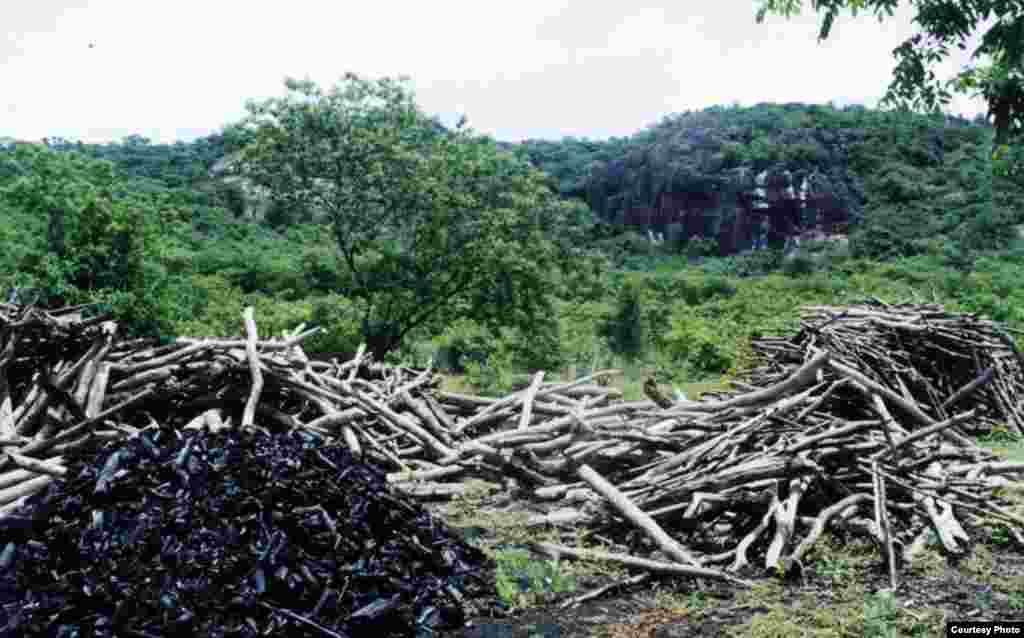
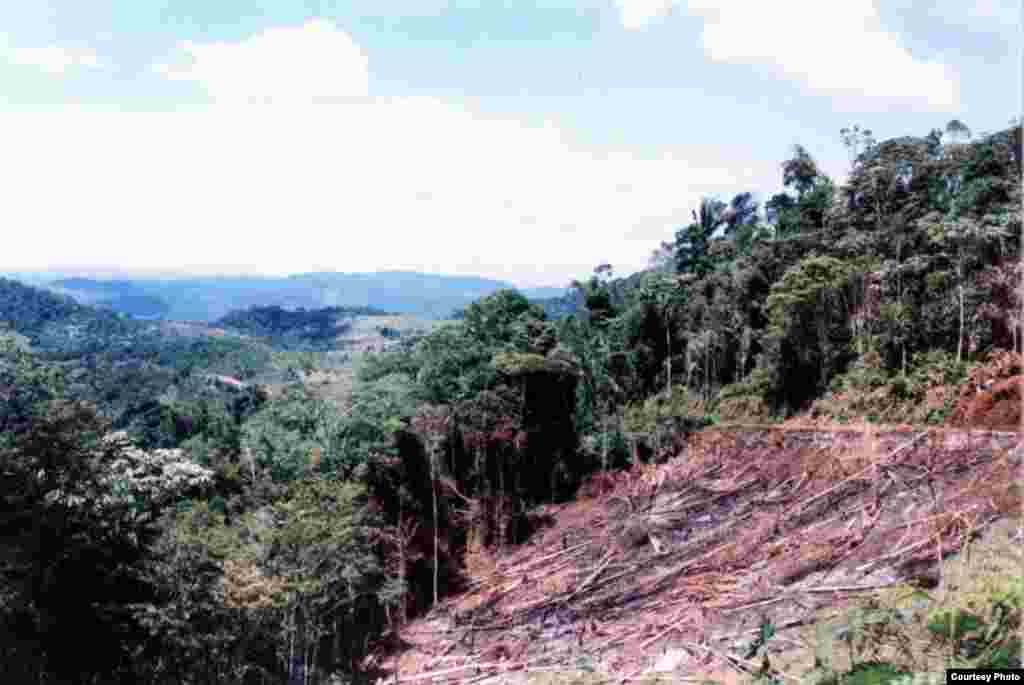
4/12This land in the dry forest of the North Atlantic Forest was deforested for local coal production and is even more threatened than the wet forests of the coastal Atlantic Forest. (Credit: IESB archive)
The Atlantic forest in Brazil, once a part of the great Amazon basin on the South American continent, is suffering from widespread species loss according to a new study.
Show moreShow less
5/12In the Atlantic Forest in Bahia, fire and deforestation of hill slopes are forbidden by Brazilian law, but law enforcement is ineffective. (Credit: IESB archive)
The Atlantic forest in Brazil, once a part of the great Amazon basin on the South American continent, is suffering from widespread species loss according to a new study.
Show moreShow less
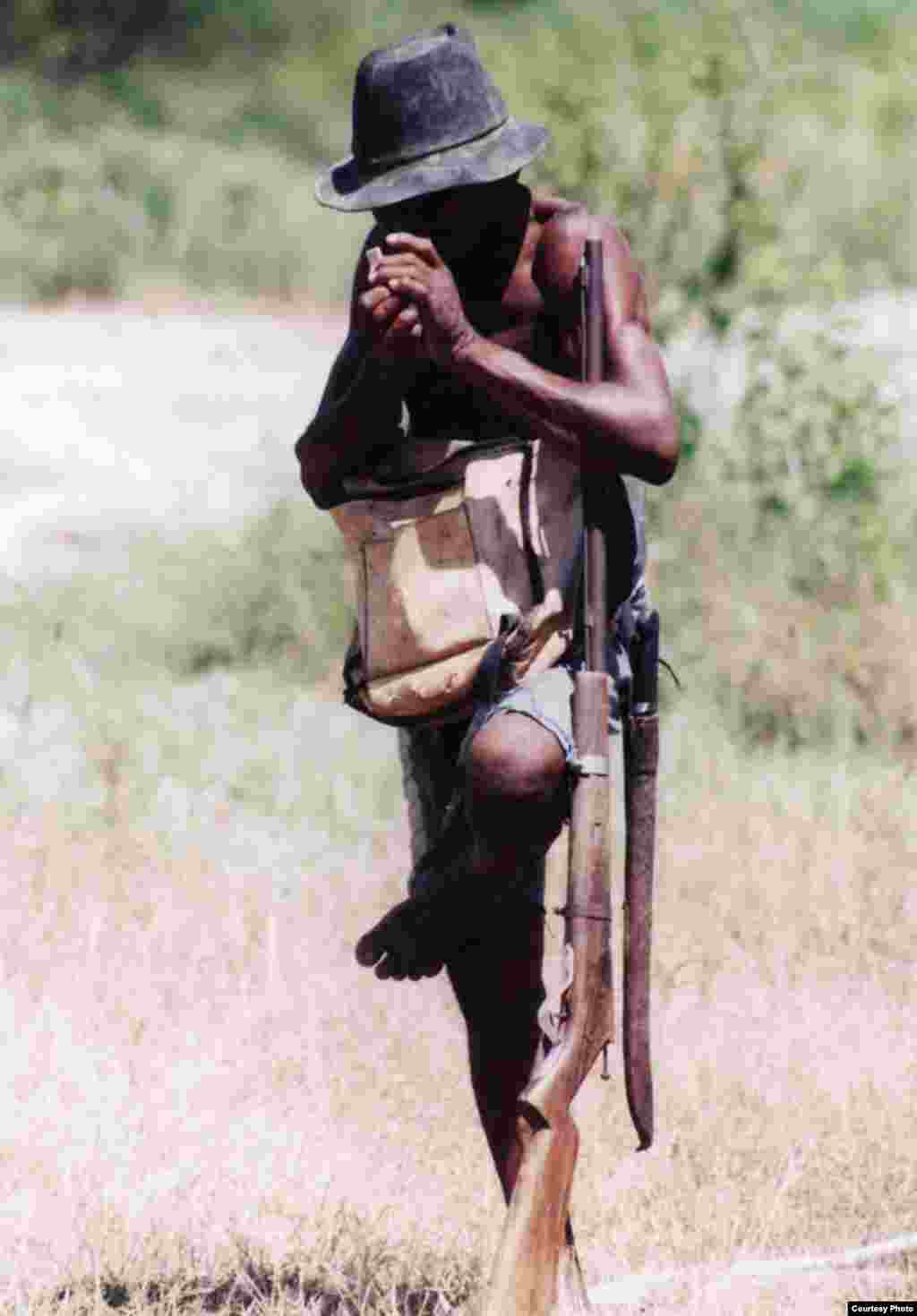
6/12This subsistence hunter in the dry forests of the Northeastern Atlantic Forest is looking for mammals like monkeys and large rodents for food. (Credit: Carlos Guidorizzi)
The Atlantic forest in Brazil, once a part of the great Amazon basin on the South American continent, is suffering from widespread species loss according to a new study.
Show moreShow less
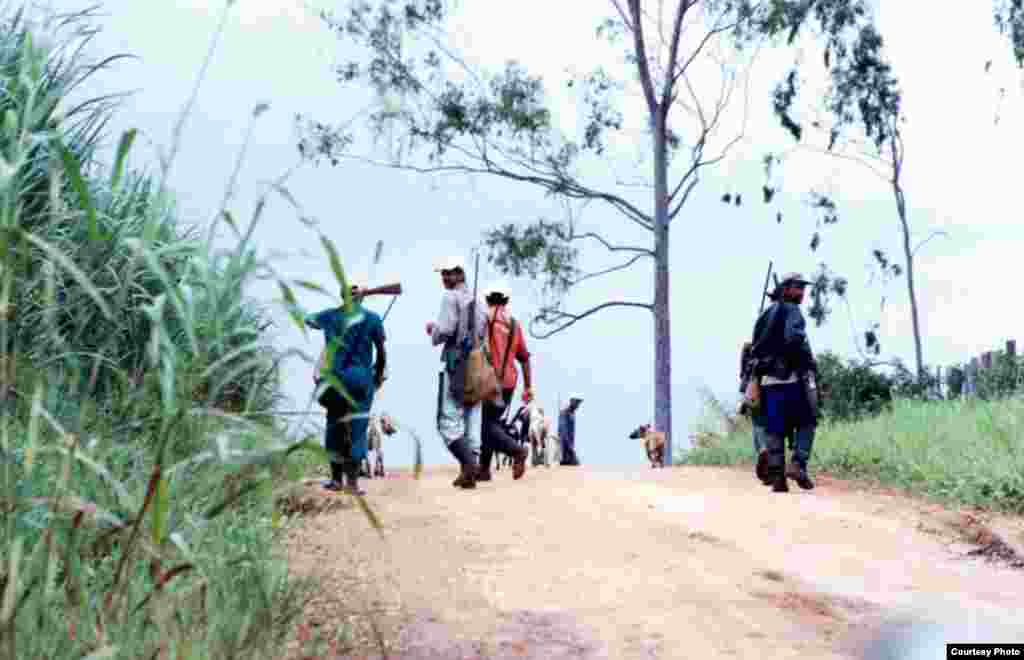
7/12These hunters have a taste for bush meat and either kill for sport or to capture baby monkeys for pets despite laws against it. (Credit: Carlos Guidorizzi)
The Atlantic forest in Brazil, once a part of the great Amazon basin on the South American continent, is suffering from widespread species loss according to a new study.
Show moreShow less
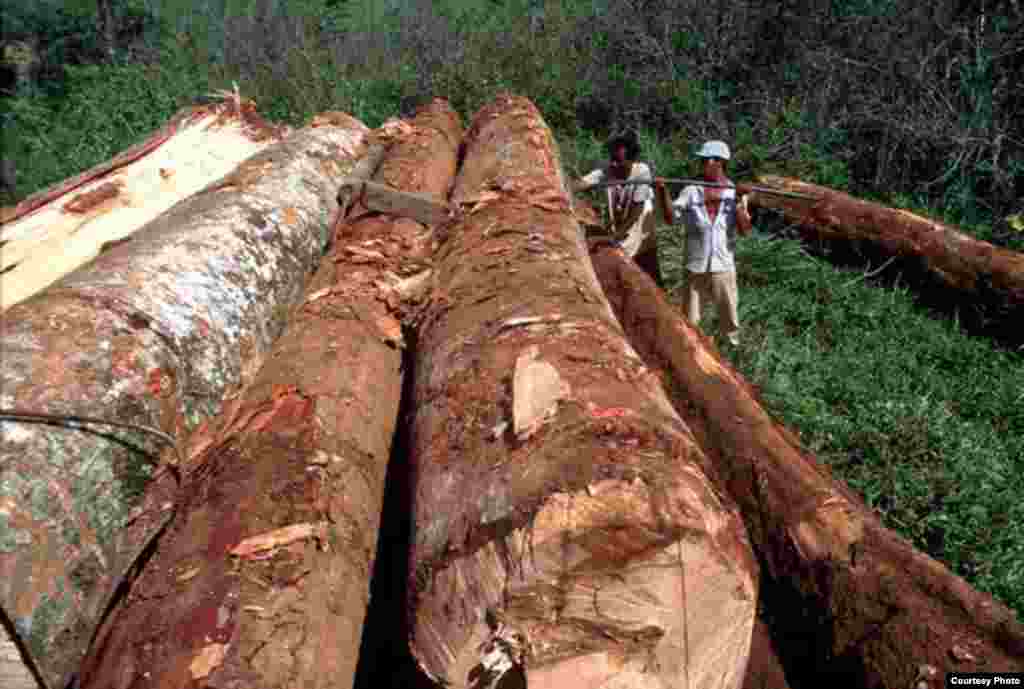
8/12Illegal logging in the Atlantic Forest threatens one of the most biologically rich and yet threatened ecosystems on earth. (Conservation International/Haroldo Castro)
The Atlantic forest in Brazil, once a part of the great Amazon basin on the South American continent, is suffering from widespread species loss according to a new study.
Show moreShow less
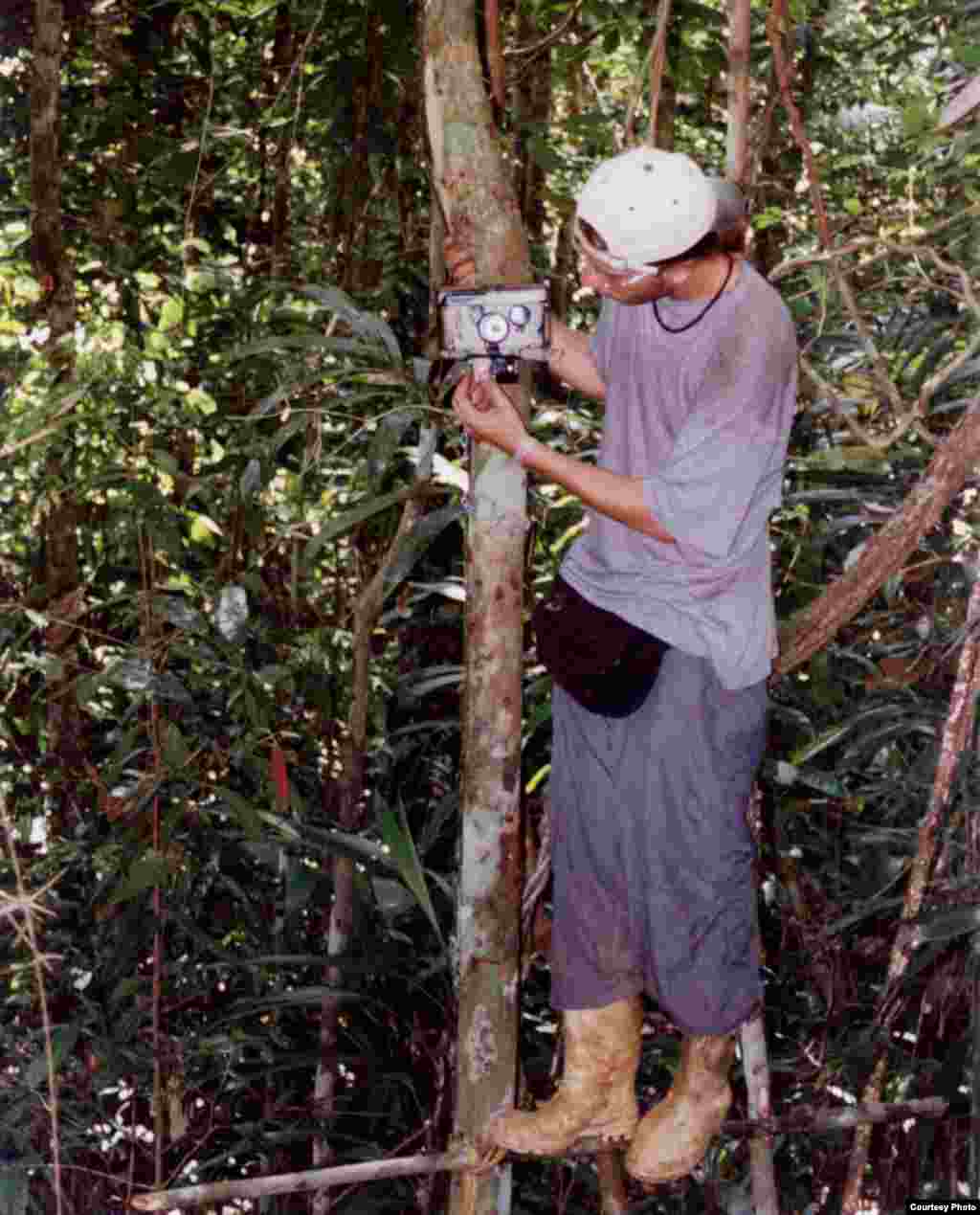
9/12Researcher Carlos Guidorizzi is fixing a camera trap with bananas to attract monkeys, raccoons, tayras, and other arboreal and semi-arboreal mammals. (Credit: Gustavo Canale)
The Atlantic forest in Brazil, once a part of the great Amazon basin on the South American continent, is suffering from widespread species loss according to a new study.
Show moreShow less
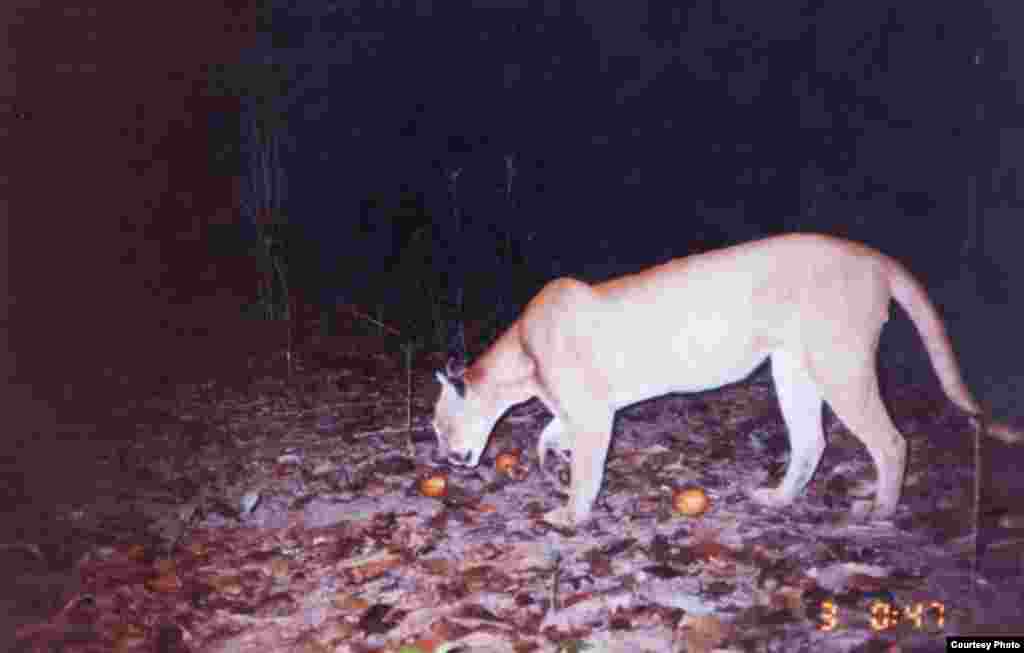
10/12This puma was captured on a camera trap at the Una Biological Reserve, one of five protected areas that has charismatic species. (Credit: IESB archive)
The Atlantic forest in Brazil, once a part of the great Amazon basin on the South American continent, is suffering from widespread species loss according to a new study.
Show moreShow less
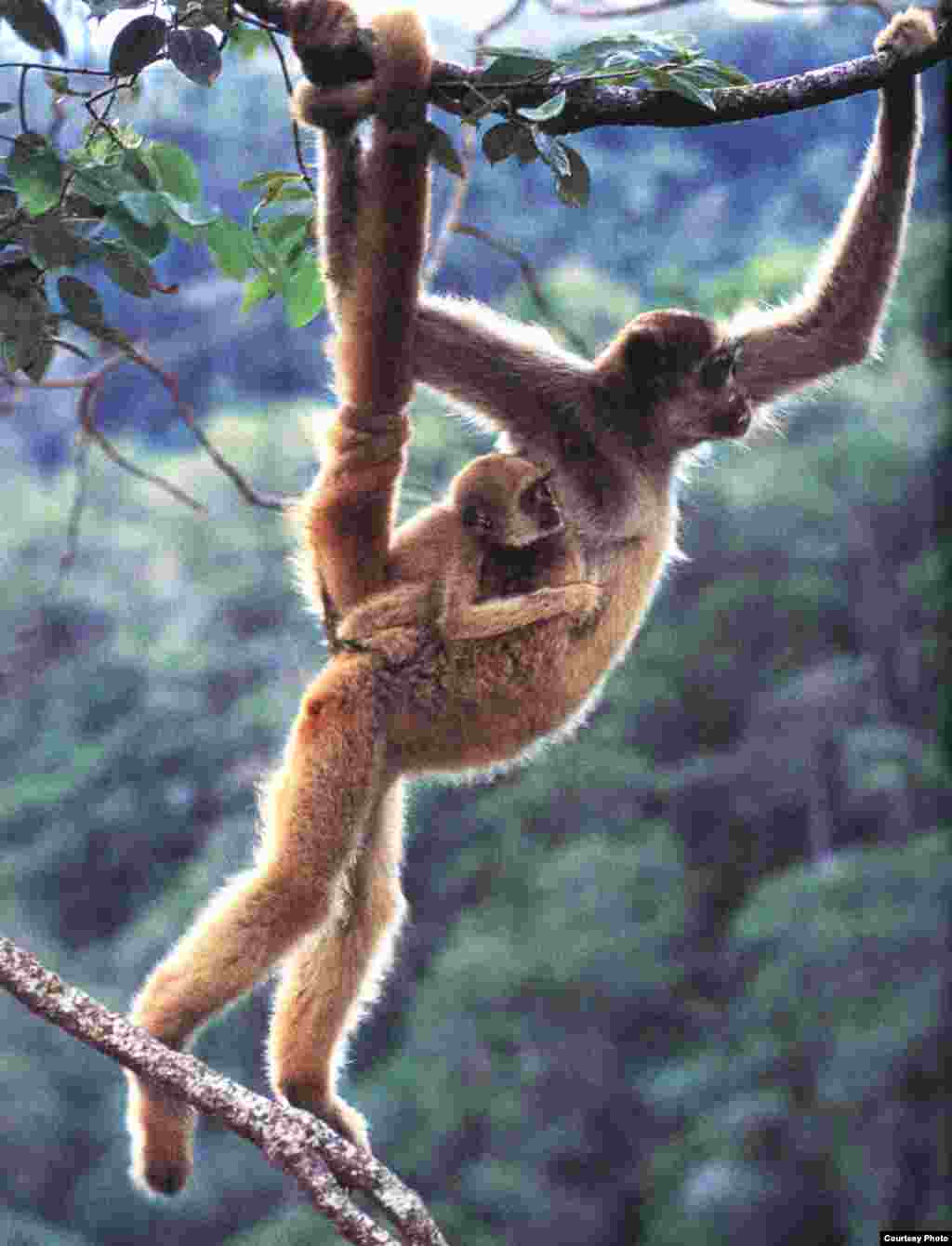
11/12The Muriqui monkey, virtually extinct in the Northeastern Atlantic Forest, is protected in small forest fragments by landowner conservationists. (Credit: Luciano Candisani)
The Atlantic forest in Brazil, once a part of the great Amazon basin on the South American continent, is suffering from widespread species loss according to a new study.
Show moreShow less
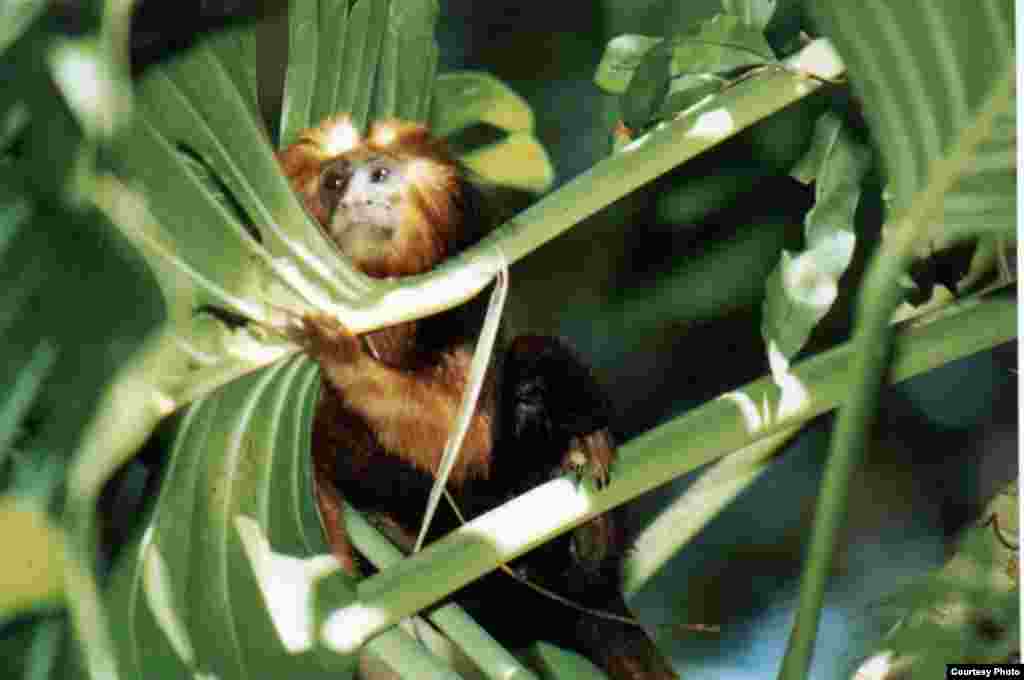
12/12The Golden headed Lion Tamarin protected in the Una Biological Reserve, Bahia, is being hunted to extinction for bush meat elsewhere in the Atlantic forest. (Credit: Gustavo Canale)
The Atlantic forest in Brazil, once a part of the great Amazon basin on the South American continent, is suffering from widespread species loss according to a new study.
Show moreShow less
Previous slide
Next slide
Hunting is the main driver of species loss on lands fragmented by deforestation. Peres says Brazilian law protects forest cover, but not wildlife in the remnant forest patches. Unless that law is changed, he says, the losses will continue.
“Essentially what we are calling for is a wholesale revision of the Brazilian legislative code that protects wildlife within these remnant forest patches," he said. "Because these remnant forest patches are essentially going out of business, if you like, in terms of the wildlife.”
In contrast, Peres says, in the five areas that did have laws to protect wildlife and where the laws were strictly enforced, the mammals did much better.
“In those five sites we find the highest degree of retention of those wildlife communities," he said. "So the protected areas are actually working in this region, the problem is that there are very few of them.”
The researchers want to see more such areas established, as well as the creation of wildlife corridors that would link isolated forest patches and keep animals away from hunters and other hazards. But Peres also offers a cautionary message. He says the fragmented tropical forest isn’t just a problem in the Atlantic forest of eastern Brazil.
“But I would argue that this is also happening throughout most of the world’s heavily fragmented biodiversity forest hotspots, where overhunting is also widespread,” he said.
"Holding on to the last remaining large tracts of primary forests will be a crucial part of the conservation mission of this century," Peres said.
His and Gustavo Canale’s study on Brazil’s Atlantic forest is published in this week’s edition of the journal PloS ONE.