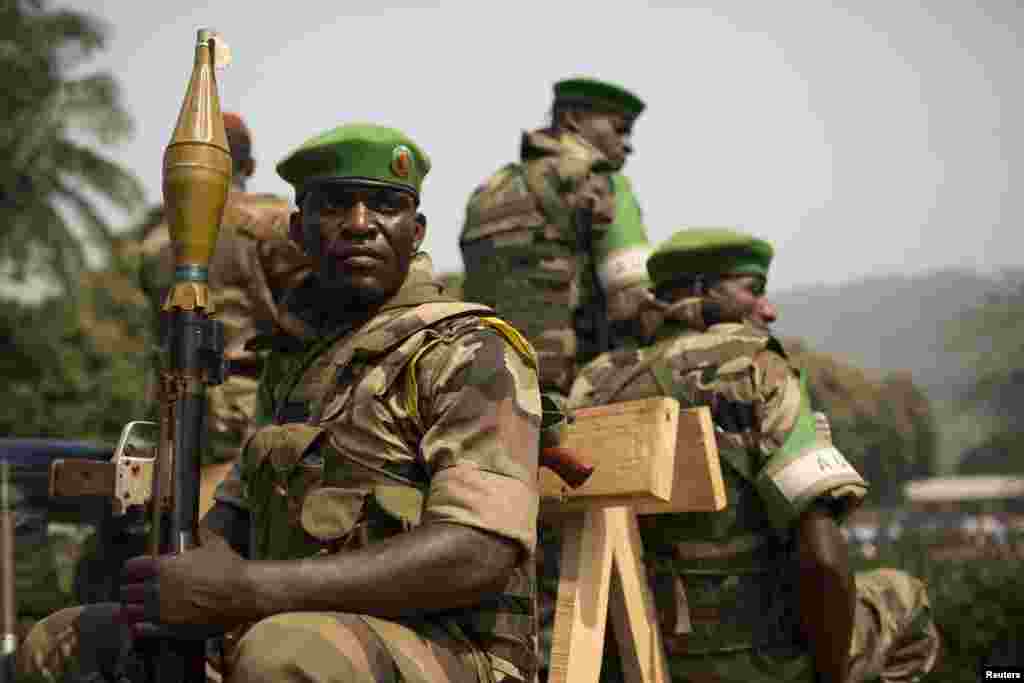
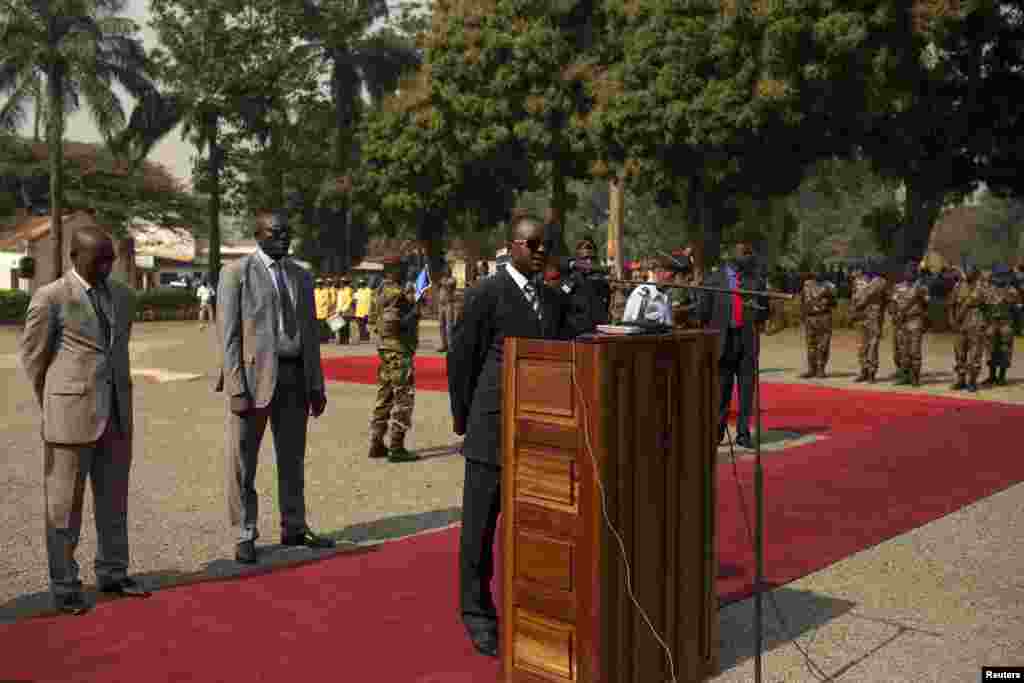
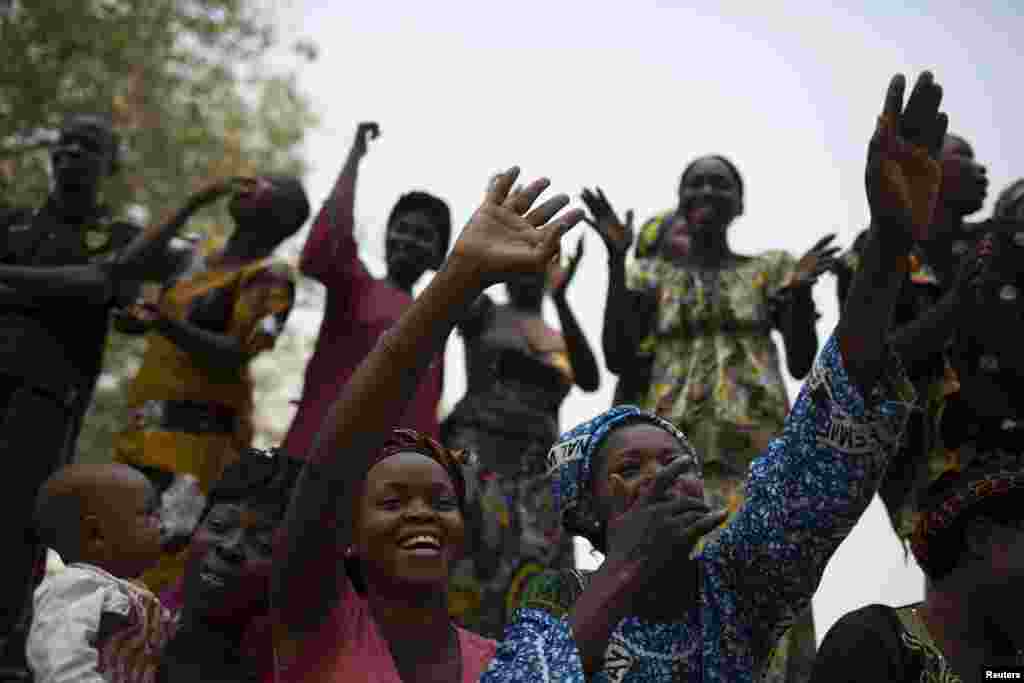
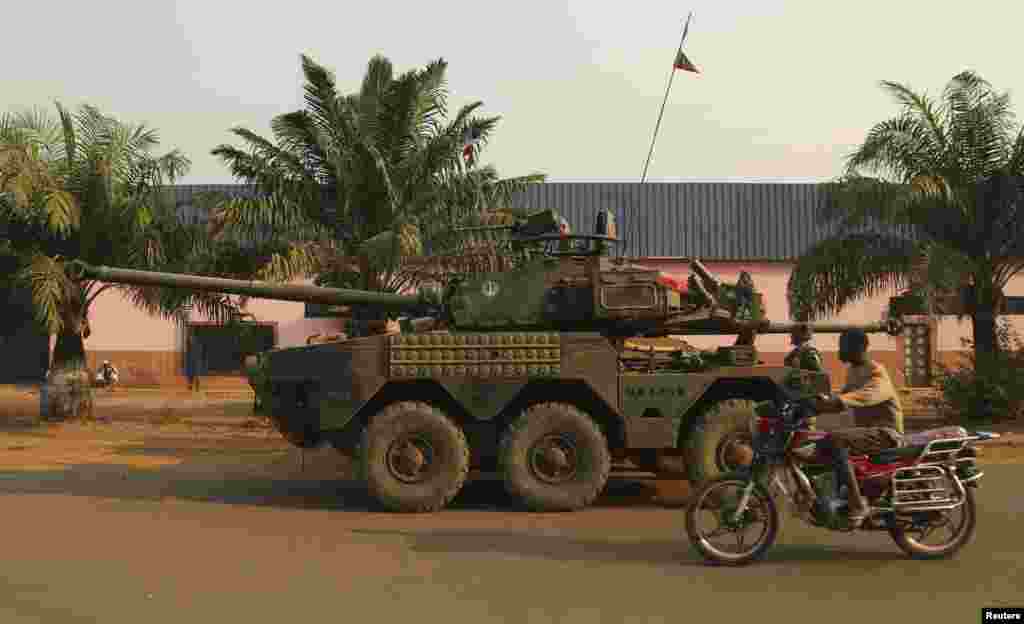
Political leaders in the Central African Republic have begun a search for a new president, four days after interim leader Michel Djotodia was forced to resign.
The country's transition national council opened a special session on Tuesday to begin the process of electing a new interim president.
The council has two weeks to make its choice, but the council's vice president, Lea Koyassoum Doumta, says she is confident the country will have a new leader by the end of this week, and that there is currently "no authority" in CAR and the country needs a "new team who will reassure the population and restore the security."
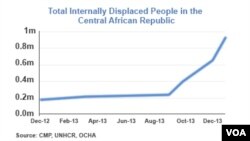
Interim President Djotodia stepped down after failing to stop violence that has killed more than 1,000 people and displaced more than 1 million from their homes.
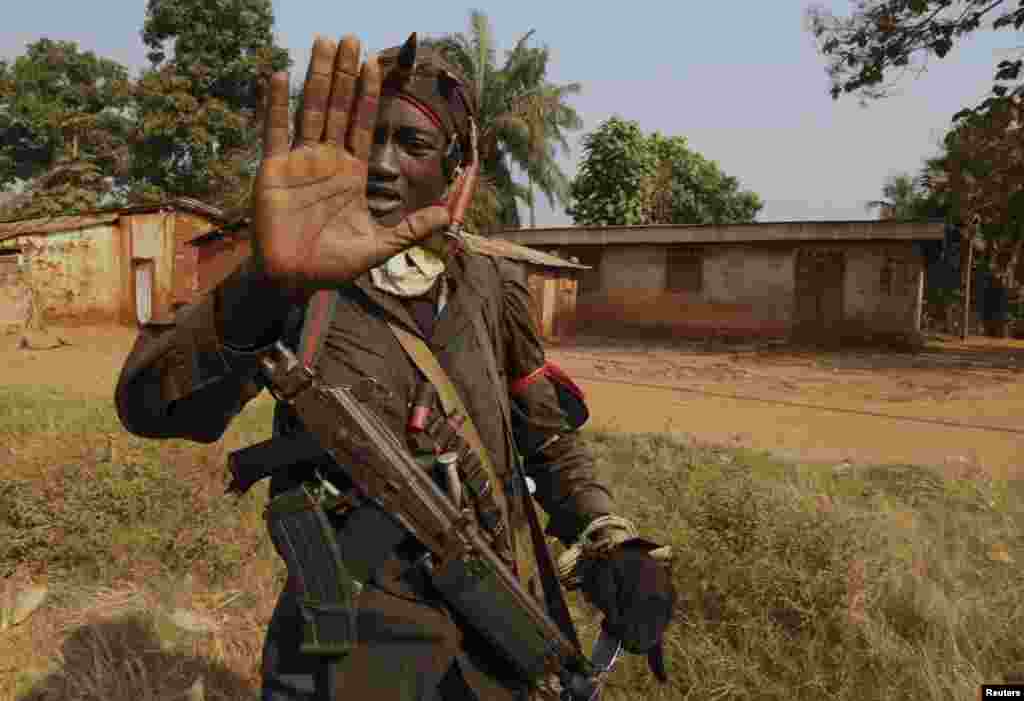
On Monday, acting interim president Alexandre Nguendet said he had met with local militias who had agreed to make peace. Nguendet told VOA he was creating a task force with police and security forces to restore order.
U.N. human rights commissioner Navi Pillay says the situation in Bangui remains "extremely volatile and dangerous," in spite of security efforts.
In a Tuesday statement, the U.N.'s human rights office said the overall number of clashes has diminished in recent days but around 40 people are reported to have been killed in the capital since Friday.
The U.N. agency also says a preliminary report from a team deployed to the CAR in mid-December shows "widespread human rights violations," including extrajudicial killings and a "deliberate targeting of civilians based on their religion."
The CAR's unrest began last March, when mostly Muslim Seleka forces overthrew President Francois Bozize.
He was replaced by Djotodia, the first Muslim leader of the Christian majority country.
Much of the fighting since then has been between ex-Seleka rebels and Christian militias known as anti-balaka.
Some information for this report was provided by AFP.