Chinese Paper Has Long History of Challenging Authorities
A New Year edition of Southern Weekly, center, published on January 3, 2013, is exhibited at a newsstand in Beijing, China, January 4, 2013.
The influential Chinese newspaper at the center of a rare protest against government censorship has a long history of progressive and controversial reporting that has tested the limits of free speech in China's strictly controlled media environment.
The Southern Weekly is part of the larger Nanfang Media Group, which is known for its in-depth and aggressive reports on sensitive topics, such as the 2003 SARS outbreak or China's massive network of illegal detentions centers.
The controversial coverage has often landed the media group in the bad graces of Chinese propaganda officials, who have tried - with limited success - to get it to conform to their standards.
Rachel Lu, editor of Tea Leaf Nation, a website that monitors Chinese media,says the paper has undergone several purges in recent years, where staff have been fired, presumably for their reports.
"There have been incidents where editors were replaced, and they would helicopter in new people to run the paper and they helicopter in a new propaganda chief to run Guangdong (province), where the paper is based," says Lu.
She says the restrictions have been successful, but only to a certain point.
"Some would say it's definitely been reined in a little bit. But it has basically retained that flavor, that sort of liberal bend, even throughout all these years where the government tries to restrain its coverage and angle," she says.
One of the most famous incidents came in 2003, when one of the group's editors published an investigation into the death of a young worker who died in police custody after being beaten.
The story led to the discovery of a vast network of underground police detention camps - a revelation that embarrassed Beijing. It also resulted in the detention of Cheng Yizhong, the editor who published the investigation.
Chinese propaganda officials have also tried pre-publication censorship to silence the newspaper. The Southern Weekly said in a recent statement that over 1,000 articles were censored to some degree in 2012 alone.
In the most recent case, editors say state censors replaced an editorial calling for greater constitutional rights with one that praised the accomplishments of the Communist Party.
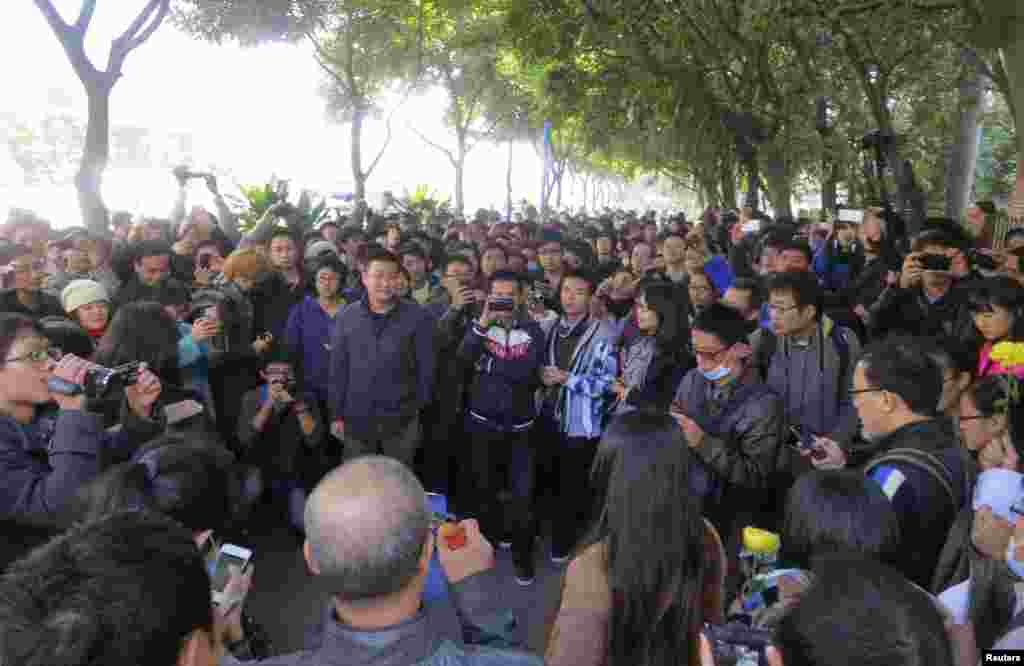
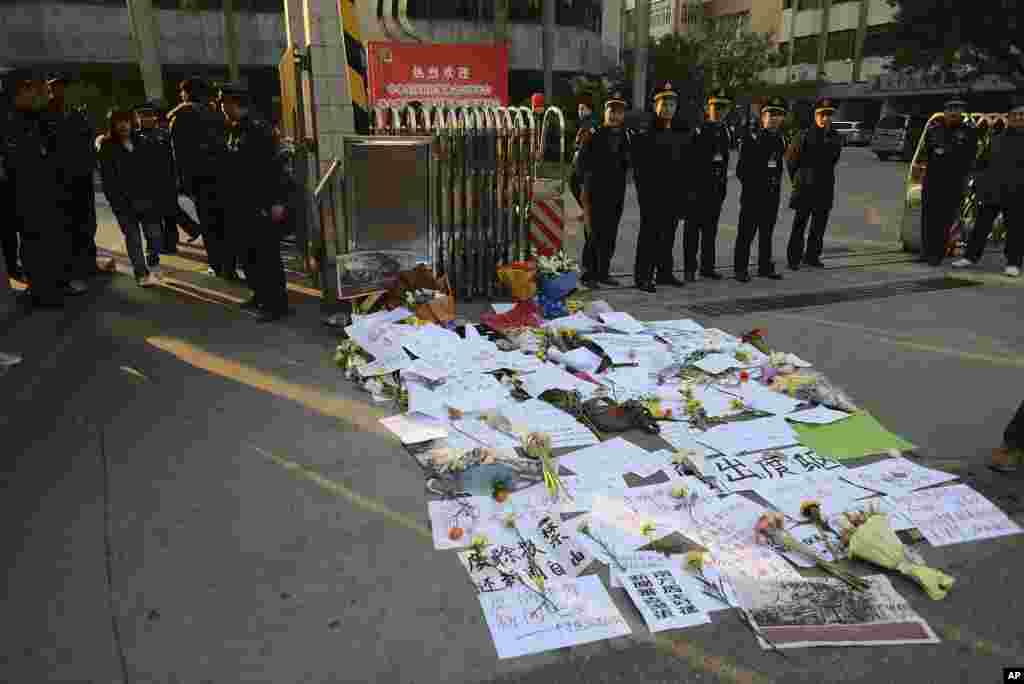
The government has so far not responded to the incident, which has prompted two days of small protests outside the Southern Weekly, as well as messages of support from a wide array of Chinese celebrities and public figures.
A Tuesday editorial in the state-run Southern Weekly insisted the paper's editors, not state censors, were responsible for the publication of the editorial in the Southern Weekly. It accused "external activists," including the exiled blind lawyer Chen Guangcheng, of inciting the controversy.
But Michael Anti, a prominent journalist and commentator on Chinese social media, says the issue is being driven by journalists who are upset with government meddling and by a general public who wants to know the truth, not by outside forces.
"Of course not. There is no evidence to say that. It is definitely just an excuse. The funny thing is, they even use a blind lawyer in New York City as a scapegoat. I think it's just a joke," Anti says.
Observers say they expect the Southern Weekly, which has a circulation of 1.6 million copies that are spread across China every week, to remain influential among China's intellectuals and progressives, noting that this week's controversy has done little to curb its influence.
Chinese Protest Media Censorship
1/10A supporter of the Southern Weekly newspaper in a wheelchair chants slogans in front of police officers near the newspaper's office in the southern Chinese city of Guangzhou, January 10, 2013.
Protesters clashed with Communist party supporters in southern China during a dispute about government censorship.
Show moreShow less
2/10A protester is taken away by plainclothes police officers and placed in a jeep near the office of Southern Weekly newspaper in the southern Chinese city of Guangzhou, January 10, 2013.
Protesters clashed with Communist party supporters in southern China during a dispute about government censorship.
Show moreShow less
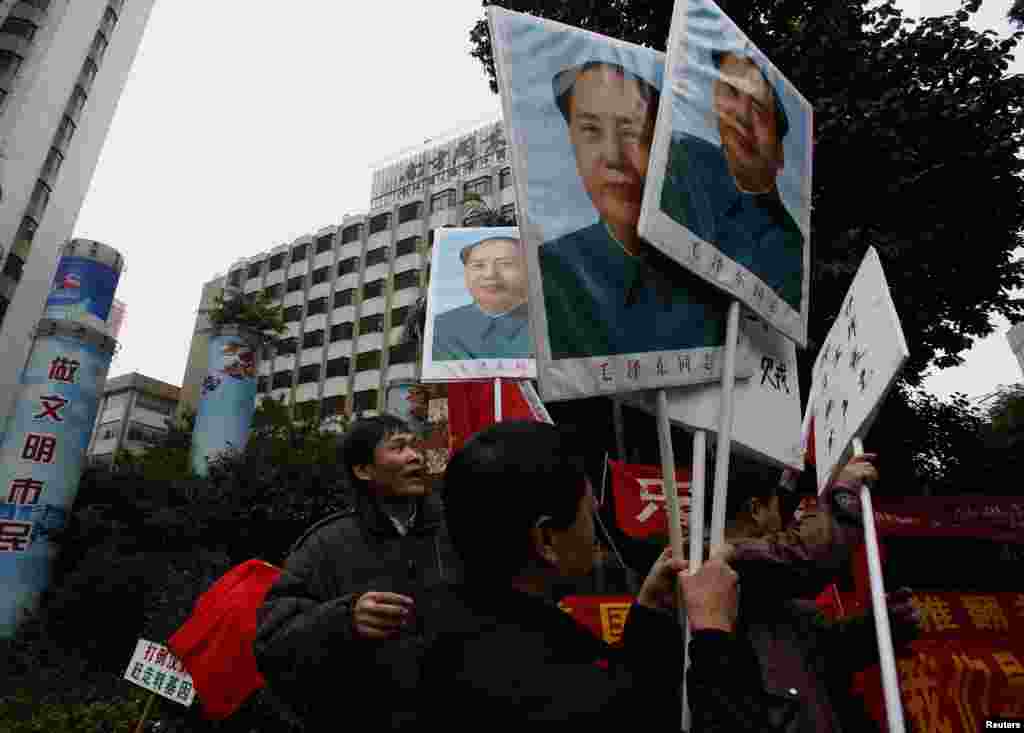
3/10Leftists carrying portraits of the late Chinese leader Mao Zedong demonstrate outside the office of the liberal Southern Weekly newspaper in the southern Chinese city of Guangzhou, January 9, 2013.
Protesters clashed with Communist party supporters in southern China during a dispute about government censorship.
Show moreShow less
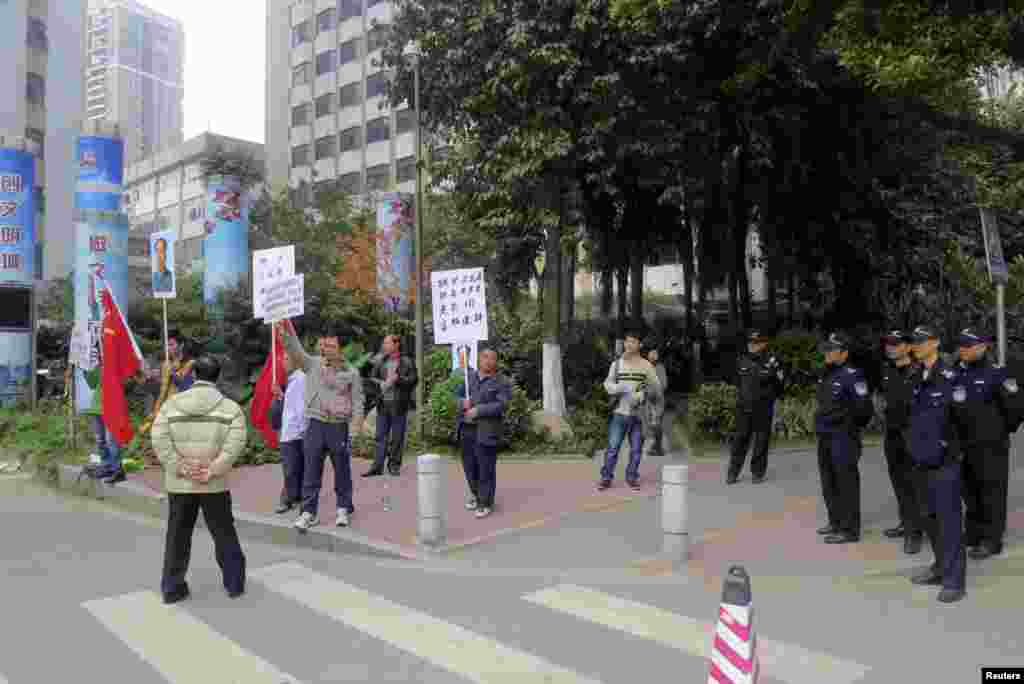
4/10Police separate a supporter of the Southern Weekly from confronting leftists protesting outside the office of the liberal newspaper in the southern Chinese city of Guangzhou, January 9, 2013.
Protesters clashed with Communist party supporters in southern China during a dispute about government censorship.
Show moreShow less
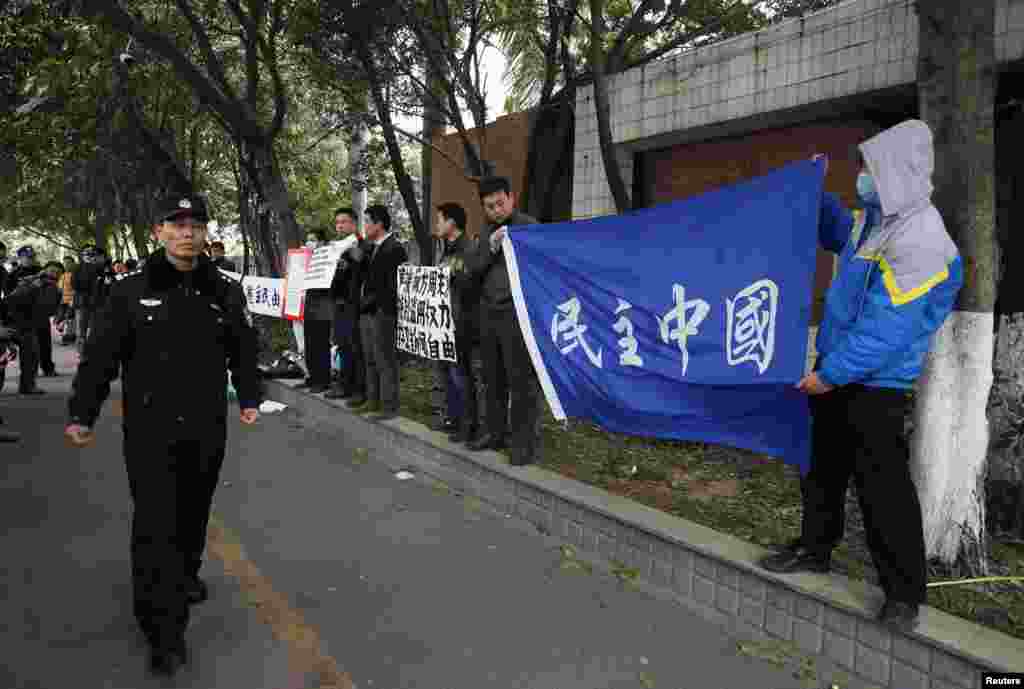
5/10A police officer walks past supporters of Southern Weekly demonstrating outside the office of the liberal newspaper in the southern Chinese city of Guangzhou, January 9, 2013.
Protesters clashed with Communist party supporters in southern China during a dispute about government censorship.
Show moreShow less
6/10Demonstrators hold banners outside the headquarters of Southern Weekly newspaper in Guangzhou, Guangdong province, China, January 8, 2013.
Protesters clashed with Communist party supporters in southern China during a dispute about government censorship.
Show moreShow less
7/10Demonstrators hold banners, portraits of China's late Chairman Mao Zedong, and Chinese national flags next to police outside the headquarters of Southern Weekly newspaper, January 8, 2013.
Protesters clashed with Communist party supporters in southern China during a dispute about government censorship.
Show moreShow less
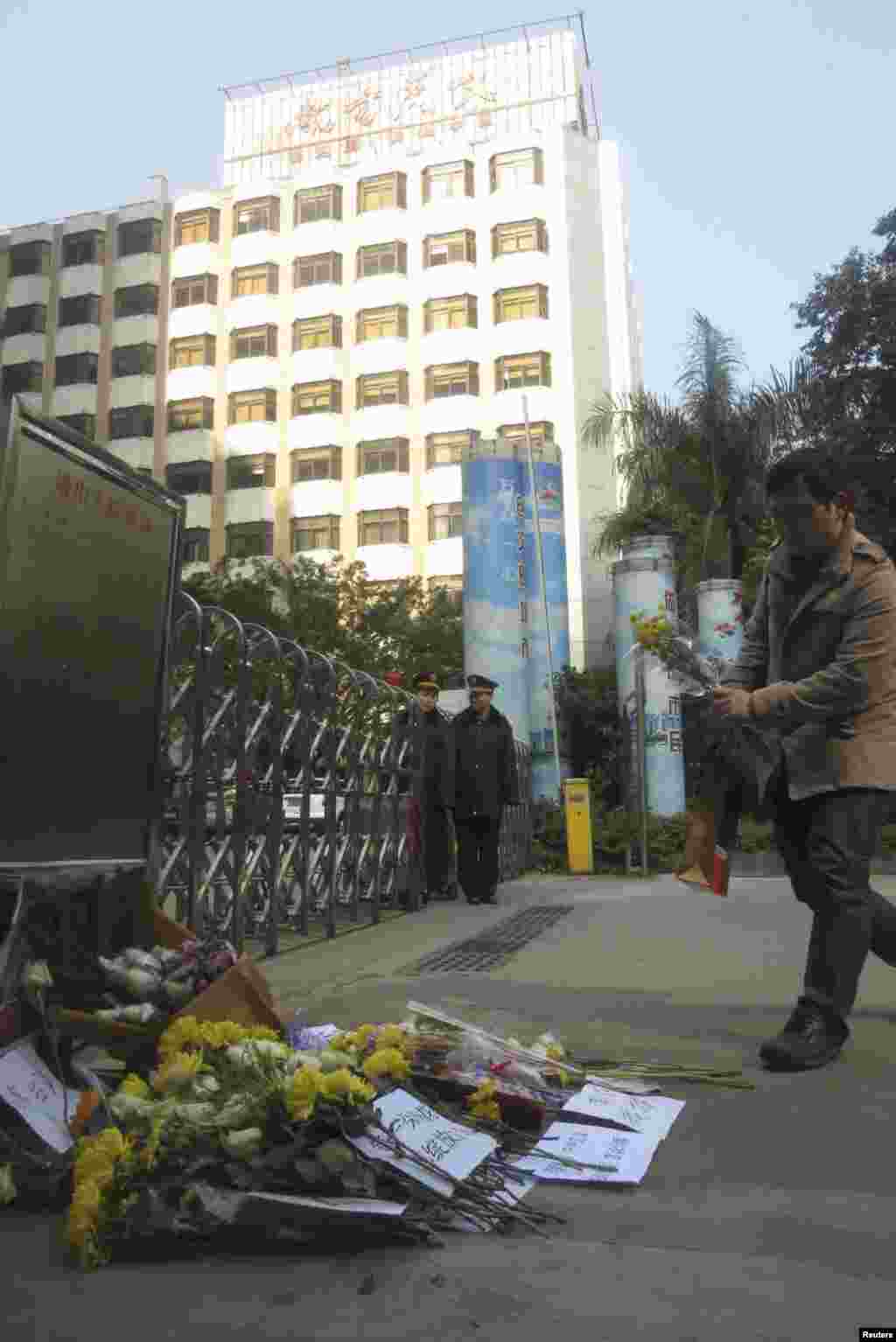
8/10A man lays a bouquet of chrysanthemums in front of the headquarters of Southern Weekly newspaper, January 7, 2013.
Protesters clashed with Communist party supporters in southern China during a dispute about government censorship.
Show moreShow less
9/10Demonstrators gather along a street near the headquarters of Southern Weekly newspaper, January 7, 2013.
Protesters clashed with Communist party supporters in southern China during a dispute about government censorship.
Show moreShow less
10/10Security guards stand near protest banners and flowers are laid outside the headquarters of Southern Weekly newspaper, January 7, 2013.
Protesters clashed with Communist party supporters in southern China during a dispute about government censorship.