


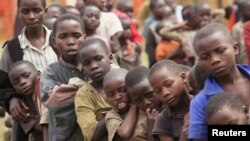
Much attention is again focused on the eastern DRC due to fighting between government forces and M23 rebels. However, the U.N. refugee agency says the situation in North Kivu Province has been growing steadily worse since the beginning of the year.
The latest fighting is in and around the provincial capital of Goma, causing tens of thousands of people to flee. It’s not the first time they’re seeking safe haven from the conflict. They’ve been displaced within the DRC many times before.
UNHCR spokesperson Fatoumata Lejeune-Kaba said Goma used to be considered one of the safer places for civilians.
“As we speak now, it’s extremely difficult for humanitarian agencies to deliver any aid at all. We’ve had to suspend activities because of the security situation. One of our main concerns is about the people who were in the IDP camps, the displaced camps, close to Goma, where 60,000 people have been forced to flee again from the camp at Kanyaruchinya, where they were sheltered before,” he said.
On Sunday, about 10,000 people fled to another UNHCR camp near Goma called Magunga III. There were already 24,000 people in that camp before the new arrivals.
“We have other camps that were identified before by aid agencies as part of the contingency planning because actually the situation in North Kivu has been deteriorating since the beginning of the year. It’s been a very, very, bad year for people in North Kivu. And when we take the two Kivus, just this year we have about 650,000 people who are newly displaced,” he said.
The UNHCR is urging neighboring countries not to forcibly return any Congolese refugees at this time. Since April, for example, over 40,000 people have fled to Uganda from the eastern DRC, about 15,000 to Rwanda and several thousand to Burundi.
The eastern DRC has been plagued by conflict, violence, rape and robbery by numerous armed groups for nearly 17 years. Millions have died.
The latest fighting is in and around the provincial capital of Goma, causing tens of thousands of people to flee. It’s not the first time they’re seeking safe haven from the conflict. They’ve been displaced within the DRC many times before.
UNHCR spokesperson Fatoumata Lejeune-Kaba said Goma used to be considered one of the safer places for civilians.
“As we speak now, it’s extremely difficult for humanitarian agencies to deliver any aid at all. We’ve had to suspend activities because of the security situation. One of our main concerns is about the people who were in the IDP camps, the displaced camps, close to Goma, where 60,000 people have been forced to flee again from the camp at Kanyaruchinya, where they were sheltered before,” he said.
On Sunday, about 10,000 people fled to another UNHCR camp near Goma called Magunga III. There were already 24,000 people in that camp before the new arrivals.
“We have other camps that were identified before by aid agencies as part of the contingency planning because actually the situation in North Kivu has been deteriorating since the beginning of the year. It’s been a very, very, bad year for people in North Kivu. And when we take the two Kivus, just this year we have about 650,000 people who are newly displaced,” he said.
The UNHCR is urging neighboring countries not to forcibly return any Congolese refugees at this time. Since April, for example, over 40,000 people have fled to Uganda from the eastern DRC, about 15,000 to Rwanda and several thousand to Burundi.
The eastern DRC has been plagued by conflict, violence, rape and robbery by numerous armed groups for nearly 17 years. Millions have died.