


After devastating natural disasters, mobile phone networks, satellites and other computer software are often used to help to pinpoint where help is needed the most. They are crucial for the creation of crisis maps.
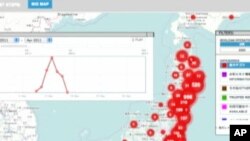
The power of the mobile phone and other social media became clear in the aftermath of the tsunami and earthquake in Japan. Just hours after disaster struck, Japanese volunteers used social media information to create a crisis map. The map indicated hazardous areas and emergency services. Hundreds of people each day posted updates to the map on the Internet, including information from radio stations.
Crisis maps also helped with relief efforts in Haiti. Thousands of text messages provided information to international aid organizations about shelter, food supplies and sanitation. A mapping team helped pinpoint search and rescue requests for people trapped in the rubble.
Sheldon Himelfarb is the director of peacebuilding at the U.S. Institute of Peace in Washington. "The word went out that if you texted a certain short code number with your call for help, it would be captured, mapped and it would enable responders to help… We saw very quickly how the emergency responders of all sorts, from the Red Cross to the military to the NGOs started to rely on this map," Himelfarb said.
Crisis mapping is also being used to keep track of events in Libya. Himelfarb says a map is helping the United Nations to follow a wide range of activities, including relief efforts and attacks by government and rebel forces.
"To show where the incidents of attacks are occurring, different kinds of attacks, different levels of violence…The crisis mappers are collecting vast amounts of information from social media, from YouTube, from Twitter, Facebook, and uploading it onto this map that the U.N. is saying is invaluable to them," Himelfarb said.
Himelfarb says crisis maps can be helpful in targeting people in need, but he is concerned the information can be wrong.
"You get all this information from the public, from online sources. How do you validate it? How do you know it’s accurate? That’s a real problem," he said.
He also says during a war, both sides could use some information to target their enemies and aid organizations.