


This is the start of the rainy season in Ivory Coast – the main planting season. But whatever rains do come will most likely fall on agricultural land that has not been seeded. No major harvest is expected this year.
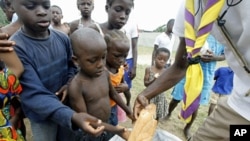
The U.N. Food and Agriculture Organization (FAO) said months of violence have put Ivory Coast’s food security at risk. With one million people displaced, few are left at home to till the land.
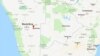
“Another thing, when all these people left their homes very often they left without anything. And also their food and their stocks of seed have been looted,” said Patrick Berner, an FAO senior emergency expert. Berner is currently in the western Ivoirian town of Man, assessing the agricultural situation in the region.
“There is one main agricultural season, which is starting now. And our main concern is all these people, who are displaced, will not be able to return to their area and to be able to cultivate their land. They will lose this season. So it will have a huge impact on food security and these people will be in need of food assistance a long period,” he said.
Planning for the future
“We now are preparing the distribution of seeds to recent returnees because there are some people coming back to their homes,” Berner said, “or to the families who are hosting some IDPs in their area.”
IDPs are internally displaced people – refugees within their own country. Many are in camps and cannot yet return home.
“We are assisting approximately 10,000 households, [or] approximately 60,000 people,” he said, “It’s actually the period where they prepare their land. So it’s really the time to do it.”
While not much is expected from the annual main harvest, there is a shorter harvest season near the end of the year that could benefit from current FAO efforts.
The FAO and other agencies still have very limited access to some areas in western Ivory Coast, so a full assessment of the expected agricultural shortfall will take a bit longer to complete.
The FAO is conducting a similar seed and tool distribution in Liberia, where more than 100,000 Ivoirian refugees have fled. The assistance will go to Liberian families who have taken in the refugees.