



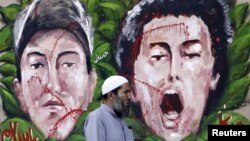
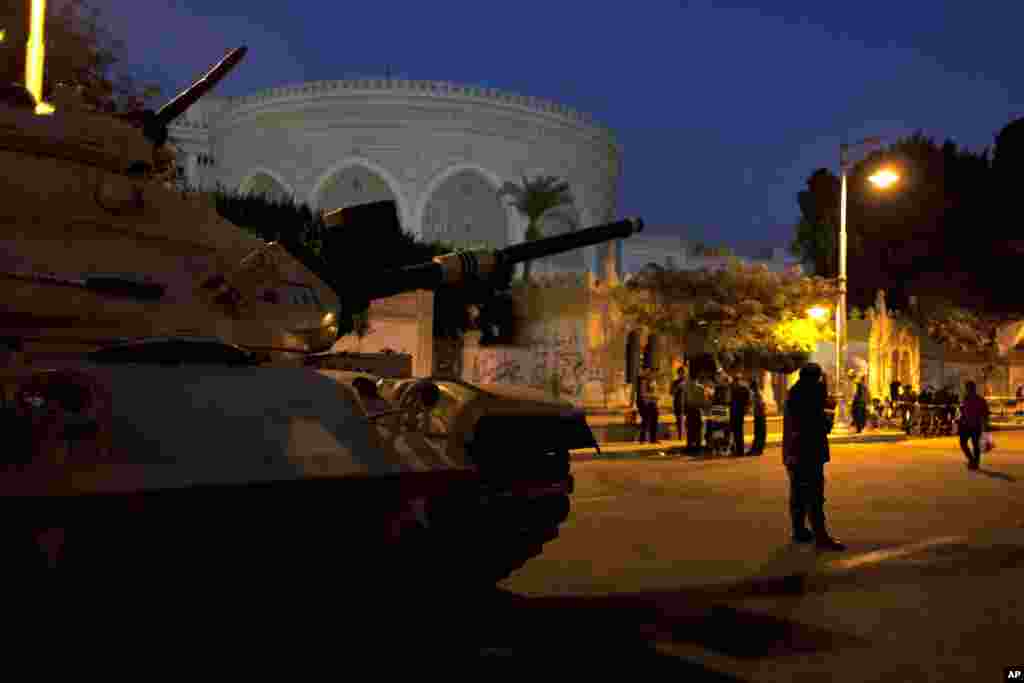
Despite concrete barricades and a heavy military presence in the Egyptian capital Cairo, opposition leaders say they will keep up the pressure on the president to cancel Saturday's constitutional referendum.
The opposition National Salvation Front, led by liberals including Mohamed ElBaradei and Amr Moussa, have called on their supporters to march on the presidential palace in Cairo on Tuesday.
Developments in Egypt
Developments in Egypt- November 22: Presidential decree gives Mr. Morsi sweeping powers, protests erupt
- November 30: Islamist assembly adopts draft constitution
- December 1: Constitution referendum scheduled for December 15
- December 2: Judges say they will boycott constitution referendum
- December 5: Protesters clash outside presidential palace in Cairo
- December 8: Morsi annuls presidential decree
- December 10: Morsi gives military authority to arrest civilians
In a statement late Sunday, a National Salvation Front spokesman said the draft constitution does not properly represent the Egyptian people. He said going ahead with a referendum on the document will lead to more confrontation in the country.
But Egyptian President Mohamed Morsi has refused to back down. On Monday, he gave the military authority to arrest civilians as part of a decree to help maintain security for the referendum. The order tasks the military with supporting police to protect "vital institutions."
But Egyptian President Mohamed Morsi has refused to back down. On Monday, he gave the military authority to arrest civilians as part of a decree to help maintain security for the referendum. The order tasks the military with supporting police to protect "vital institutions."
Many secular Egyptians fear the draft constitution will erode civil liberties because it boosts the role of Islamic law and makes no specific mention of women's rights. A constituent assembly dominated by Islamists approved the document last month after liberal and Christian members walked out, complaining that their voices were being ignored.
Some observers say the draft constitution has a good chance of being approved because Morsi's Muslim Brotherhood movement has a superior ability to mobilize supporters to vote.
Morsi made a concession to the opposition on Saturday by canceling parts of a November 22 decree that granted himself sweeping powers. He made the announcement after a day of talks with other political figures. Most opposition groups boycotted the dialogue.
Egypt Unity Talks Postponed
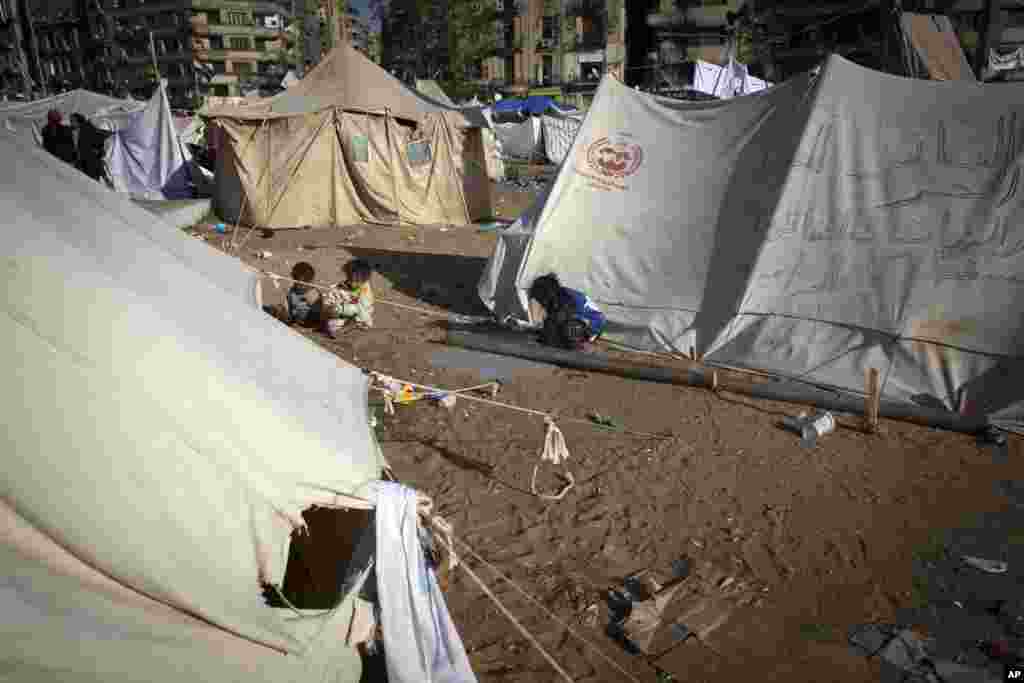
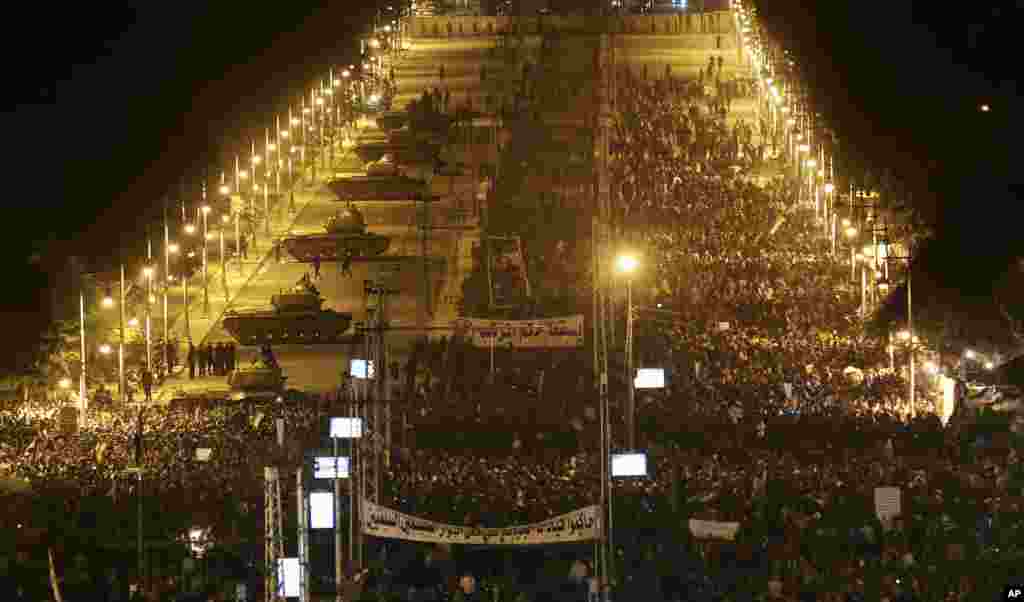
The Egyptian army says unity talks set for Wednesday have been postponed. A day earlier, people flooded central Cairo to demonstrate for and against the country's constitutional referendum.
Show more
Show less
The Egyptian army says unity talks set for Wednesday have been postponed. A day earlier, people flooded central Cairo to demonstrate for and against the country's constitutional referendum.
Show more
Show less
The Egyptian army says unity talks set for Wednesday have been postponed. A day earlier, people flooded central Cairo to demonstrate for and against the country's constitutional referendum.
Show more
Show less

The Egyptian army says unity talks set for Wednesday have been postponed. A day earlier, people flooded central Cairo to demonstrate for and against the country's constitutional referendum.
Show more
Show less

The Egyptian army says unity talks set for Wednesday have been postponed. A day earlier, people flooded central Cairo to demonstrate for and against the country's constitutional referendum.
Show more
Show less

The Egyptian army says unity talks set for Wednesday have been postponed. A day earlier, people flooded central Cairo to demonstrate for and against the country's constitutional referendum.
Show more
Show less

The Egyptian army says unity talks set for Wednesday have been postponed. A day earlier, people flooded central Cairo to demonstrate for and against the country's constitutional referendum.
Show more
Show less

The Egyptian army says unity talks set for Wednesday have been postponed. A day earlier, people flooded central Cairo to demonstrate for and against the country's constitutional referendum.
Show more
Show less

The Egyptian army says unity talks set for Wednesday have been postponed. A day earlier, people flooded central Cairo to demonstrate for and against the country's constitutional referendum.
Show more
Show less

The Egyptian army says unity talks set for Wednesday have been postponed. A day earlier, people flooded central Cairo to demonstrate for and against the country's constitutional referendum.
Show more
Show less
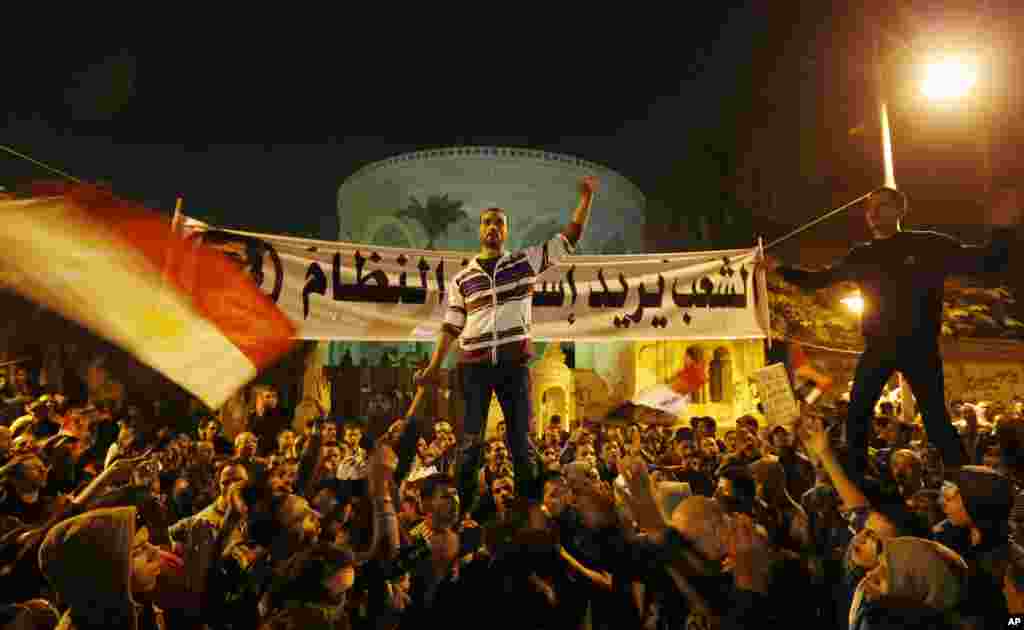
The Egyptian army says unity talks set for Wednesday have been postponed. A day earlier, people flooded central Cairo to demonstrate for and against the country's constitutional referendum.
Show more
Show less

The Egyptian army says unity talks set for Wednesday have been postponed. A day earlier, people flooded central Cairo to demonstrate for and against the country's constitutional referendum.
Show more
Show less
Morsi also said that if the draft constitution is rejected in Saturday's referendum, he will call elections for a new constituent assembly to draft another charter that will be put to a popular vote.
The president removed provisions of the November 22 decree that shielded all of his decisions from judicial review. Opposition groups had complained that the original measure gave the president dictatorial powers.
But Morsi's Saturday decree said the courts remain barred from challenging his "constitutional declarations."
Mohammed ElBaradei sent out a tweet Sunday saying the fight against the new constitution is about the "essence of the state, universal rights and values, and looking forwards, not backwards."
On Saturday, Egypt's military made its first public comment on the political crisis, urging both sides to resolve political differences through dialogue. It warned that continued confrontation risks plunging Egypt into a "dark tunnel leading to catastrophe" and vowed "not to allow" such an outcome.
Egyptian troops set up concrete barriers outside the presidential palace Sunday to prevent rival groups of liberals and Islamists from holding further rallies at the site. Street battles between the two sides have killed seven people in the capital in recent days.