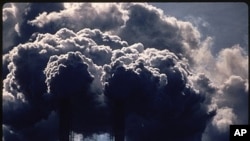
The U.S. Environmental Protection Agency plans to regulate the largest remaining source of uncontrolled toxic air pollution in the United States: coal- and oil-fired power plant emissions. The new rules -- 20 years in the making -- will affect 1300 power plants, half of which lack modern air-pollution controls.
Most power plants affected by the rules were built in the 1970s, before clean-air technologies were developed that capture, or "scrub," smokestack pollutants, notably mercury from burning coal, before they are released into the air.
Mercury is a neurotoxin that can cause severe birth defects and impair cognitive and fine motor skill development in children.
The new EPA rules require the dirtiest power plants to reduce emissions of mercury, arsenic, chromium, nickel and acid gases by more than 90 percent within the next three-to-four years or be shut down.
Retrofitting old power plants with smokestack "scrubbers" will also significantly reduce the amount of black particulate matter, or soot, released into the air. Soot has been linked to higher rates of asthma and heart disease.
EPA administrator Lisa Jackson, who chose to announce the new regulations at a Washington, D.C. children's hospital, said the new air-pollution limits will protect the health of all Americans.
“When we talk about cutting hundreds of thousands of cases of respiratory symptoms, we’re talking about young people who can go outside and be with their friends without the worries that they will be struggling to breathe," she said. "When we talk about reducing mercury levels in our environment, we’re talking about lower amounts of mercury in the fish that Americans eat every day. We’re talking about the fact that coming generations will grow up exposed to lower amounts of toxic pollution in the air they breathe.”
The EPA rules could cost the power industry upwards of $10 billion dollars, and many companies will have to decide whether to comply or shut down their old coal- and oil-powered plants.
Misty Allen is a spokesperson for GenOn (JEN-on) Energy, a company based in Houston, Tex., that operates both natural gas and coal-fired power plants that were built in the 1970s. Allen says her company will be directly affected by the new EPA rule.
“At this stage we are still evaluating the rule and evaluating which technologies are appropriate or whether or not individual units would retire or shut down," she said. "So, that’s still under consideration by the company."
Asked whether consumers will end up paying higher electricity bills because of the EPA rule, Allen has a ready answer.
“As with everything in the market, yes.”
Most environmental groups have praised the EPA ruling. One leading organization, the Union of Concerned Scientists, is hailing the agency's move, saying the benefit to public health in limiting smokestack emissions far outweighs the price tag for the pollution controls. But the group adds that the new pollution controls were long overdue.
EPA Moves on US Power Plant Emissions Rules