


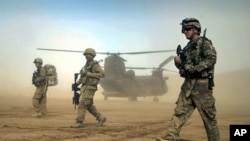
The United States has been in Afghanistan for more than 10 years now. In 2001 it led an international coalition that ousted the Taliban from power. Washington is also contributing some 90,000 troops to the 130,000 strong NATO force currently in Afghanistan.
The U.S. and NATO goal is to hand over combat operations to the Afghan security and armed forces by the end of 2014. But experts say the public mood in most NATO countries is that they want their soldiers home as soon as possible.
Former Defense Secretary William Cohen says the American public is exhausted with a war entering its second decade.
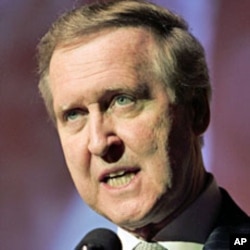
“Yes. The American people are suffering from a tremendous recession in this country, a jobless recovery - if there is such a thing as a recovery taking place - and knowing that we have invested over a trillion and a half dollars in Iraq and Afghanistan, they see no end in sight," Cohen said. "And yes, they are suffering from fatigue.”
Former National Security Adviser General Brent Scowcroft agrees. “It’s [the Afghan war] so long, it’s so expensive in terms of fatalities and dollars. Yes - we’re exhausted," he said.
More than 1,800 American soldiers and Marines have been killed in Afghanistan and more than 15,000 wounded.
While agreeing that the American public is exhausted with the war, former U.S. Ambassador to the United Nations John Bolton says the U.S. political establishment - both Democrats and Republicans - has not adequately made the case for continued U.S. involvement in Afghanistan.
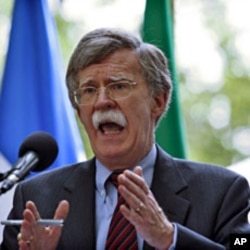
“The Americans are very open to an argument that they are safer, more secure, their friends around the world are more secure with this kind of conflict," Bolton said. "But if the case isn’t being made to them - if the sacrifices aren’t being explained and justified - I don’t see why anybody should be surprised they turn away from it. So that’s why I put the fault, really, with the political leadership, not with public opinion.”
Former Secretary of Defense William Cohen puts it this way:
“It’s incumbent upon our elected officials and administration, working with Congress, to say that we have strategic interests, long-term interests in seeing to it that Afghanistan doesn’t return to become a haven for terror groups that then can conduct future 9/11s," Cohen said. "But the people need to be persuaded that it’s in our ‘quote’ long-term interest.”
But Cohen says the United States cannot do it alone - there needs to be a regional solution to the Afghan problem.
“There is going to be tremendous pressure on the U.S., on the coalition countries who are in Afghanistan, to reduce their presence and move away," Cohen added.
"That means that if the world is concerned about Afghanistan not returning to what it has been historically, then I think it’s going to require many other countries other than the United States, or in addition, I should say, to the United States, to make a commitment to the country," Cohen said. "But the U.S. is not going to do it on a scale that we have done in the past.”
Cohen’s last point echoes what then Secretary of Defense Robert Gates told Army cadets last year - that “any future defense secretary who advises the president to again send a big American land army into Asia or into the Middle East or Africa should have his head examined.”