An estimated 100,000 volunteers across the continent will join forces this month for the Great Bee Count, which is designed to help scientists better gauge the trends in the wild bee population.
About 30 to 40 percent of America’s domestic honey bees - populations managed to produce honey and pollinate many agricultural crops - fall victim each year to farm chemical pollution, habitat loss and diseases. That same lethal combination may also be threatening the survival of as many as 4,000 species of native wild North American bees - important pollinators as well.
Yvonne Fredlake will be one of those volunteers. Her bee-friendly garden is at its peak; the sunflowers and Black-eyed Susans are in full bloom.
“They really love those," Fredlake says. "I make sure that I plant plenty of them, for two reasons, one for them and so that they will come in and visit my vegetable patch and help me out a little bit.”
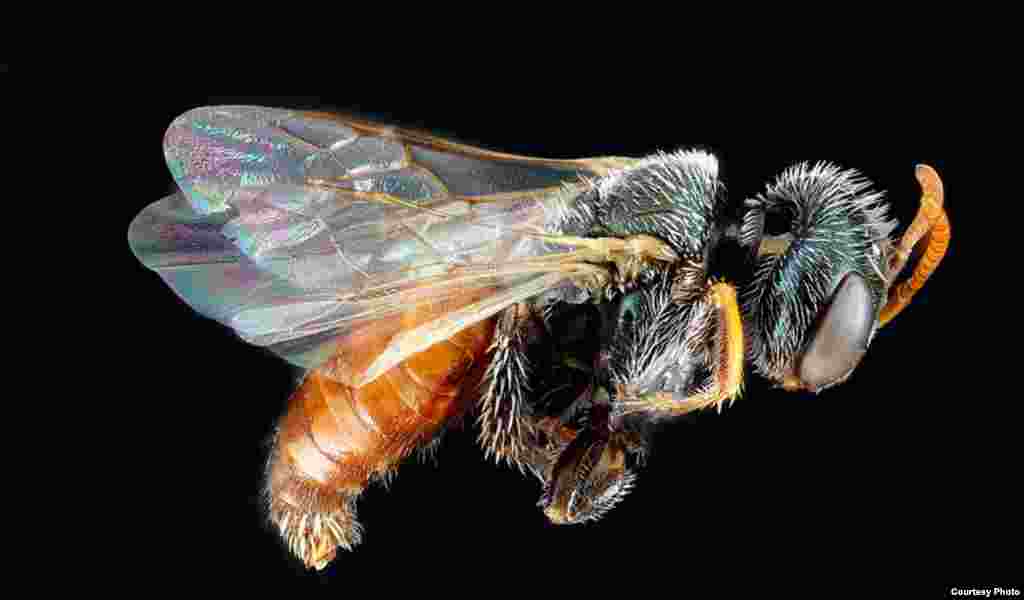
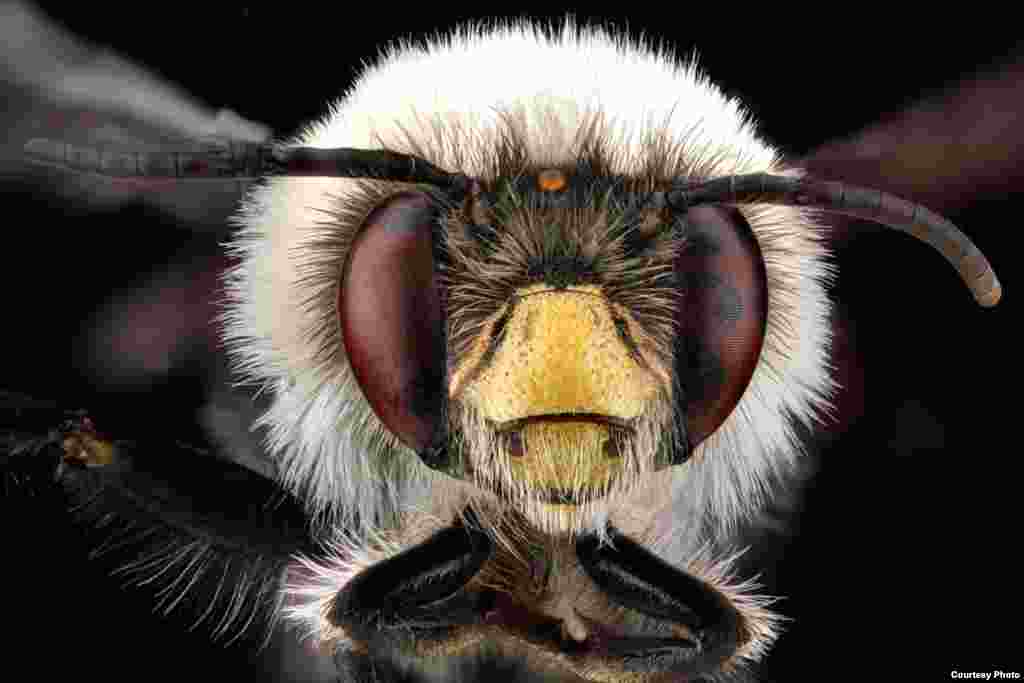
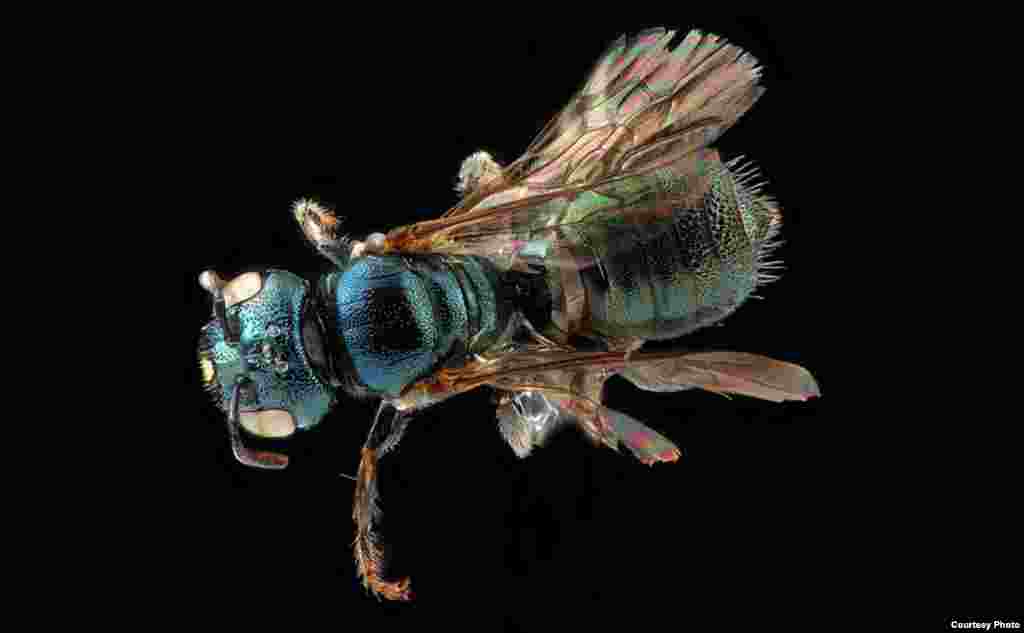
USGS Native Bee Photos
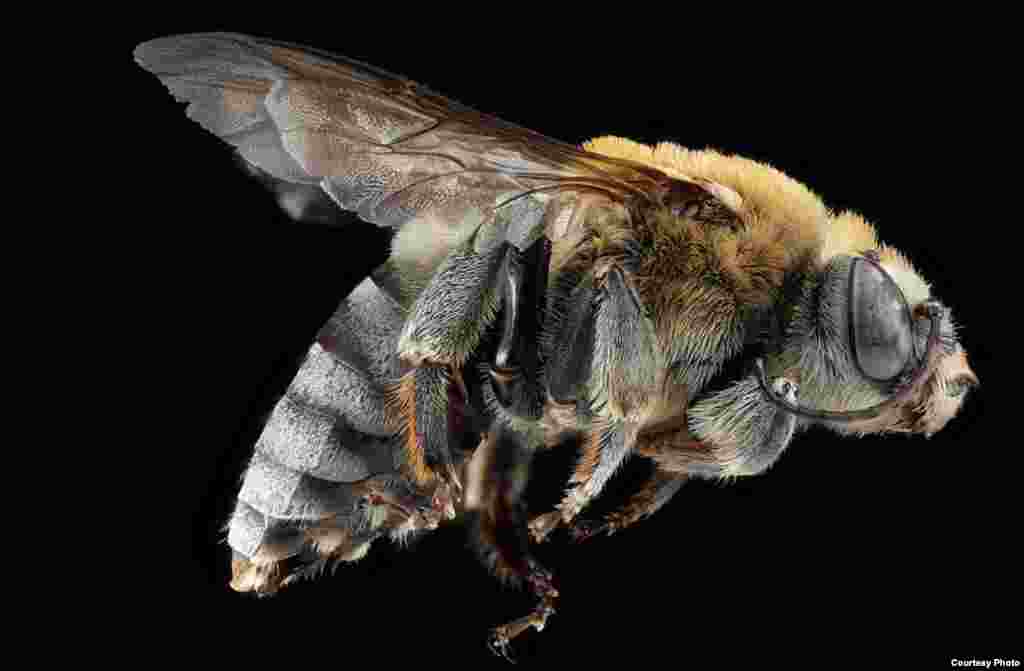
1/13Cemolobus ipomoeae is a morning glory specialist with a tongue so long that, even when folded, it reaches to its abdomen.
Show moreShow less
2/13Dieunomia xerophila often nests in huge groups in sandy soil.
Show moreShow less
3/13Megachile frugalis is an uncommon bee that gathers pollen and carries it under its abdomen rather than on its legs like many other species.
Show moreShow less
4/13Coelioxys coturnix is a nest parasite of other introduced bees in the inner city, laying its eggs in their nests and their young subsequently killing the host's young and eating the provisions of the nest.
Show moreShow less
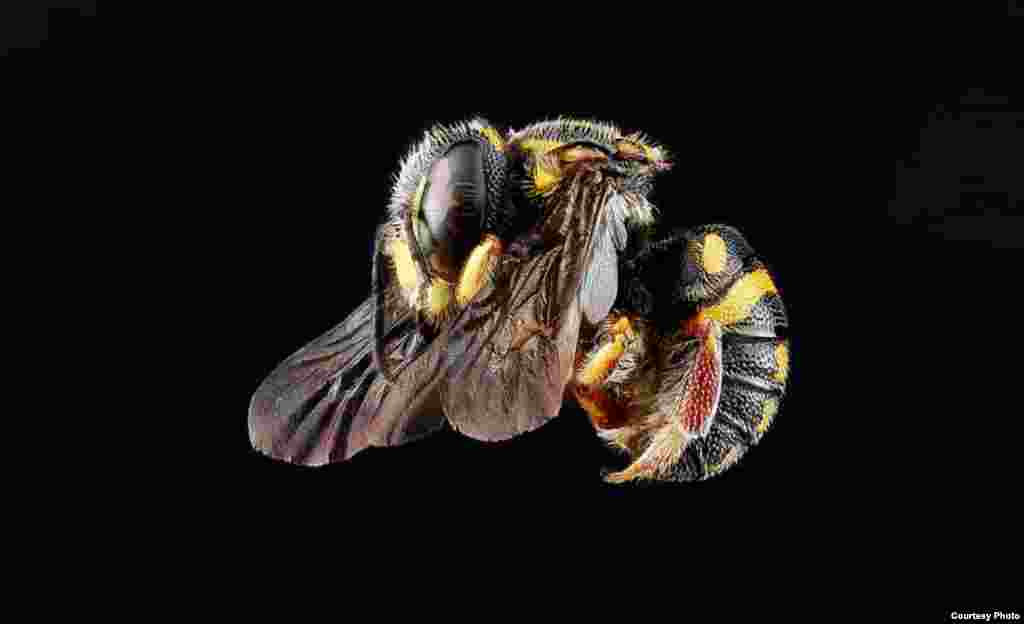
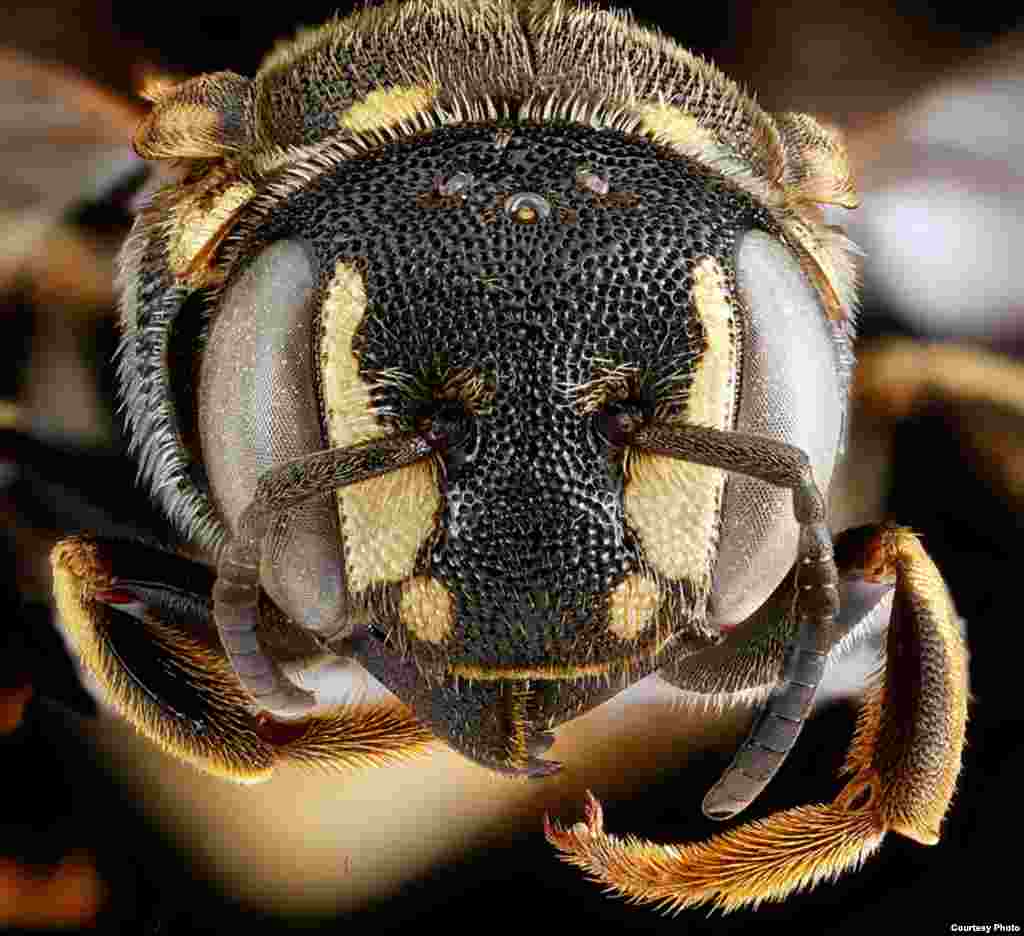
5/13Anthidiellum notatum is a tiny e Midsummer bee fond plants in sandy, open areas.
Show moreShow less
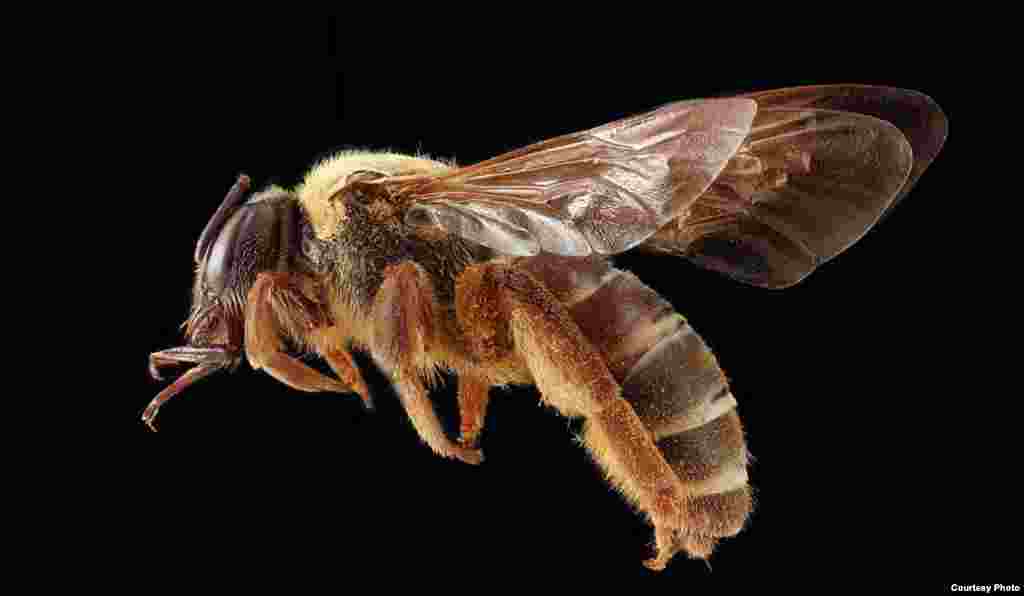
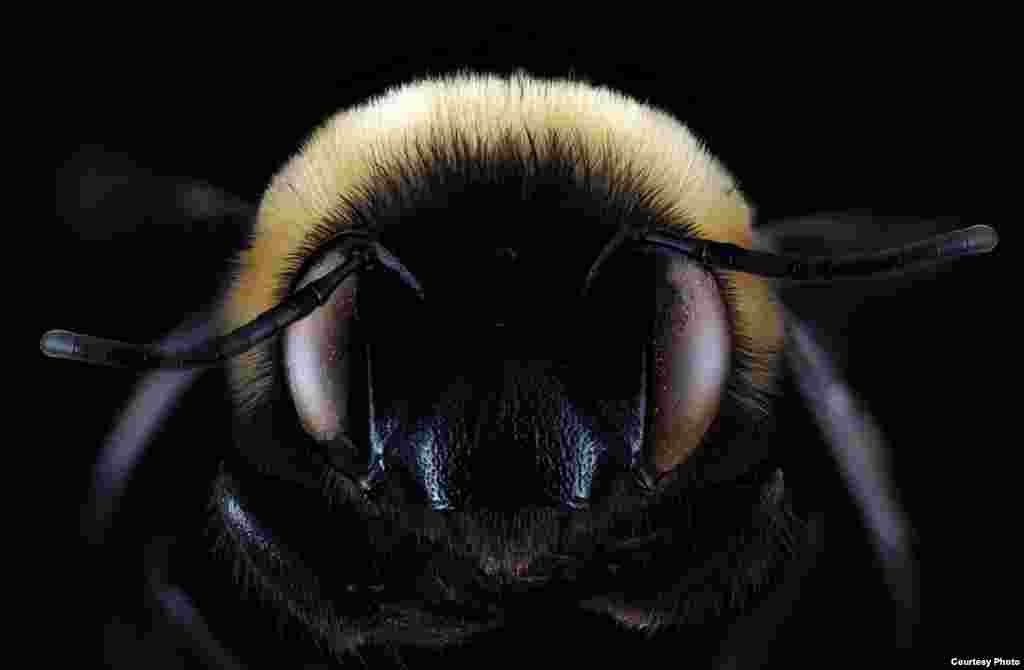
6/13Habropoda laboriosa is known as the southeasterly blueberry bee this early spring bee looks a lot like a bumblebee but feeds almost exclusively on blueberry and related plant pollen.
Show moreShow less
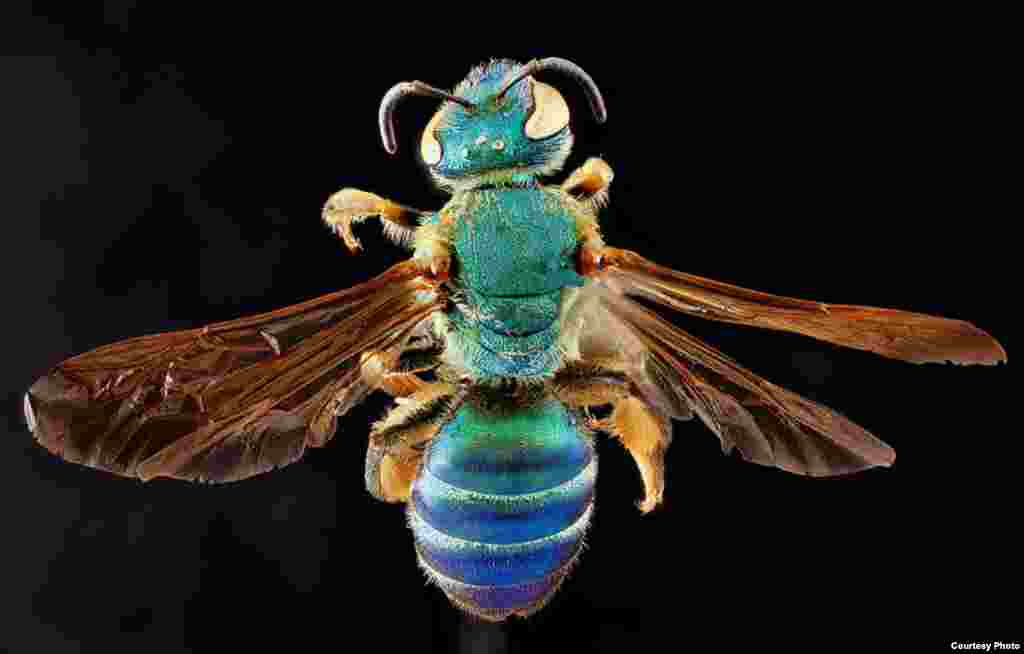
7/13Agapostemon splendens is attracted to the salt in people’s sweat and can be found in sandy soils and along the coastal dunes of eastern North America.
Show moreShow less
8/13Megachile frugalis is an uncommon bee that gathers pollen and carries it under its abdomen rather than on its legs like many other species.
Show moreShow less
9/13Dianthidium simile nests in the base of clumps of grass in nest cells made of sand mixed with pine resin.
Show moreShow less
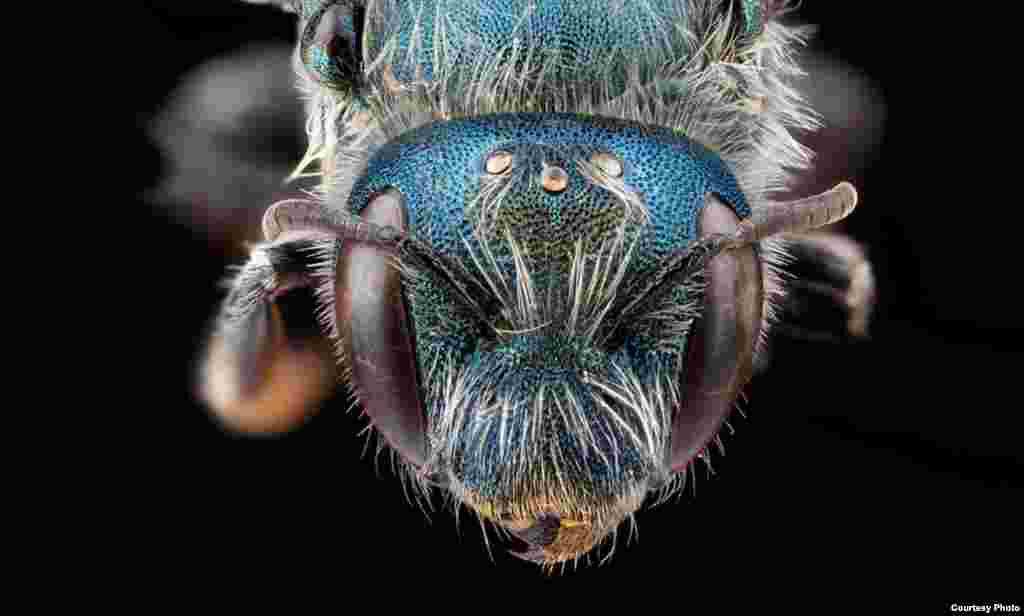
10/13Osmia distincta is a spring bee one often found gathering pollen from wild scrubby flowering plants.
Show moreShow less
11/13Perdita latior among the smallest species in North America measures 2 mm in length.
Show moreShow less
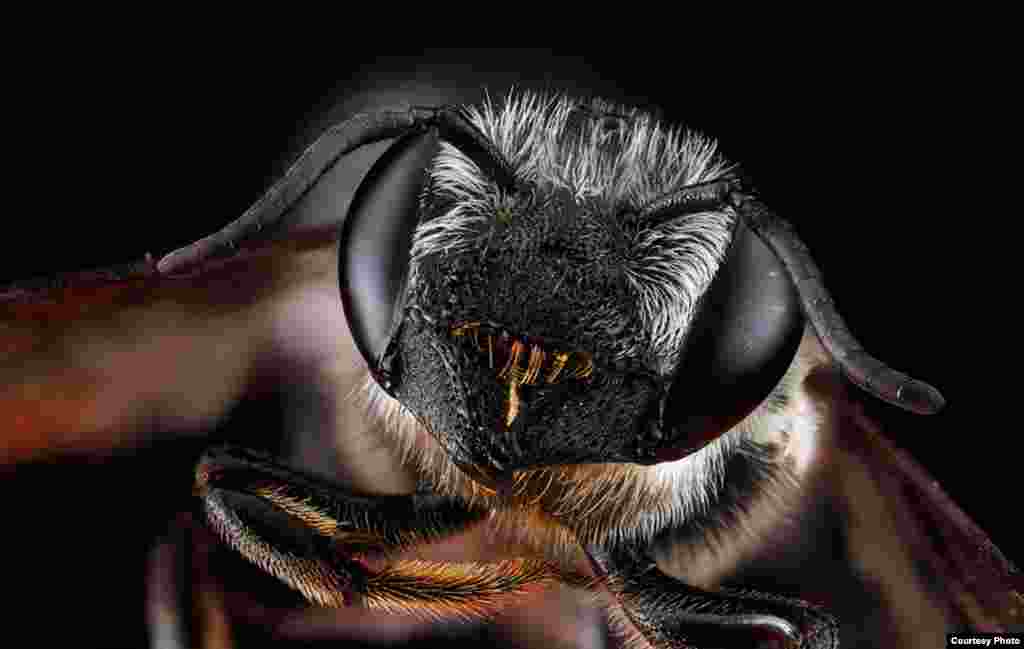
12/13Anthophora bomboides is a bumblebee look-alike, but from a completely different family than bumblebees and not forming colonies but nesting in exposed banks of soil.
Show moreShow less
13/13Ceratina strenua is smaller than the size of a grain of rice and nests in the cut tips of plant stems; burrowing into the soft pith.
Show moreShow less
Previous slide
Next slide
Clipboard in hand, Fredlake makes notes about bee activity on this mid-summer day in her Gainesville, Virginia, garden.
“If I plant sun flowers in succession, which is what I try to do, I can usually get a good count every couple of weeks, if I am vigilant, on top of it, and don’t forget to.”
Fredlake regularly counts bees as part of the Great Sunflower Project, the group running the Great Bee Count, a special campaign to sample bee activity across North America on a single day. She will be among thousands of volunteers who will upload data to the project’s website.
“Every day is a good day because any count you get is a good count," Fredlake says. "And it is important to mark down anything, even if you don’t get any visitors. That’s significant too.”
While the collapse in domestic honeybee colonies is well documented, citizen scientists like Fredlake are central in understanding what’s happening to native bee species.
“I just get excited about how simple is was, that I could sit and watch what I was doing for my entertainment and then provide information for scientists so that they can catalog bees and keep track on what is going on in the United States,” she says.
San Francisco State University biologist Gretchen LeBuhn directs the Great Sun Flower project.
"This effort was started to try to identify what was happening with our bee communities and to identify the areas where we might have some concerns and could do some conservation,” LeBuhn says.
They’ve already learned quite a bit. The data shows bees in decline in cities where habitat is disrupted by buildings and highways, compared with those living in deserts, forests and woodlands. It also indicates that urban bee populations are healthier in larger community gardens with more flowers.
"I think [that] is a sign that the diversity of plants and the addition of a whole series of plants across the seasons really does help bees in those areas," LeBuhn says. "And our results suggest that in urban areas we need to actually try to increase the number of plants and areas for nesting for some of our bees.”
LeBuhn has issued a renewed call for people to sample their backyards in the Great Bee Count on August 11. She says the event will give a snapshot of a single day, and also help fill in important local data missing from the national map.
“We have a good spread, but we don’t have the fine-scale data that would let us start to tie pollinator service to some of the lawn practices, the regional practices, the natural areas management practices, so anything we can do to learn more about how to help bees.”
And for volunteers like Yvonne Fredlake, the count will be a way to return the many favors that bees give the world, naturally, every day.
“I make a difference for the bees that live in my area and that to me is important because this is my home too and they are part of my ecosystem," she says. "They are helping me with my vegetables and they are also helping hundreds of other families around me that have gardens, too.”
While the Great Bee Count will last just one day, Fredlake expects to keep an eye on them all summer.