Syrians Fleeing to Jordan Could Signal Larger Influx
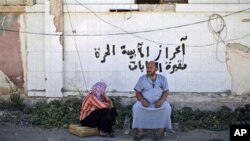
A Syrian couple, who fled their home, sits on the side of the road as they take refuge at the Bab Al-Salameh border crossing in hopes of entering one of the refugee camps in Turkey, near the Syrian town of Azaz, August 23, 2012.
The United Nations refugee agency says the number of Syrians fleeing to Jordan has doubled in recent days, with 10,200 arriving in the past week, signaling what could be an impending mass movement.
Spokeswoman Melissa Fleming of the U.N. High Commissioner for Refugees said the new arrivals at the Za'atri camp in northern Jordan are mainly from Syria's southern flashpoint area of Daraa. She said refugees reported "being bombed as they were trying to cross" the border.
The U.N. agency says up to 200,000 Syrian refugees could flee to Turkey if the conflict continues to deepen. More than 3,000 refugees have fled Syria to Turkey in the past 24 hours alone.
The exodus comes as Syrian state TV is reporting that 12 people were killed and nearly 50 wounded in a car bomb explosion at a funeral on the outskirts of Damascus.
Syrian Refugees Flee Fighting
1/9A Syrian girl, who fled her home with her family due to fighting between the Syrian army and the rebels, takes refuge at the Bab Al-Salameh border crossing, near the Syrian town of Azaz, Aug. 23, 2012.
UN refugee agency says number of Syrians fleeing to Jordan has doubled in recent days, signaling what could be an impending mass movement.
Show moreShow less
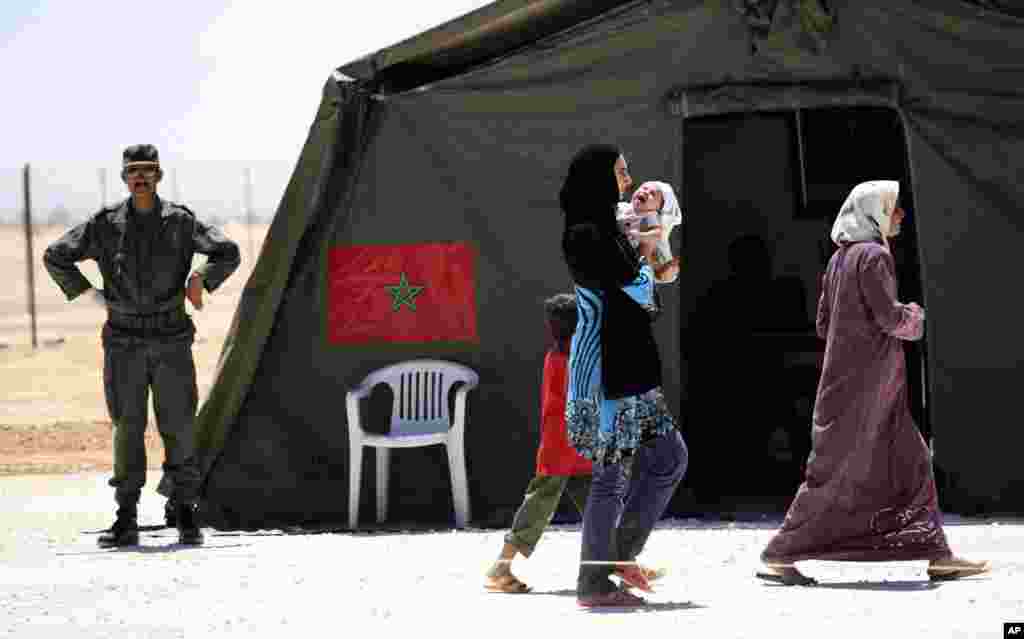
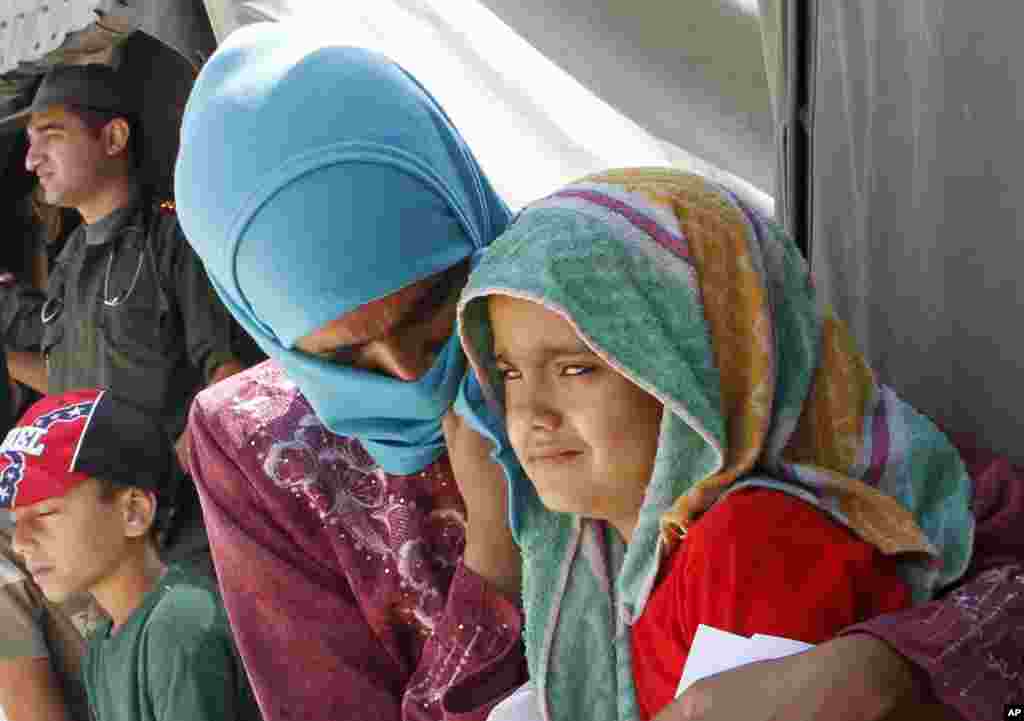
2/9Syrian refugees after the medical check at a Moroccan military field hospital in Zaatari refugee camp in Mafraq, Jordan, Aug. 10, 2012.
UN refugee agency says number of Syrians fleeing to Jordan has doubled in recent days, signaling what could be an impending mass movement.
Show moreShow less
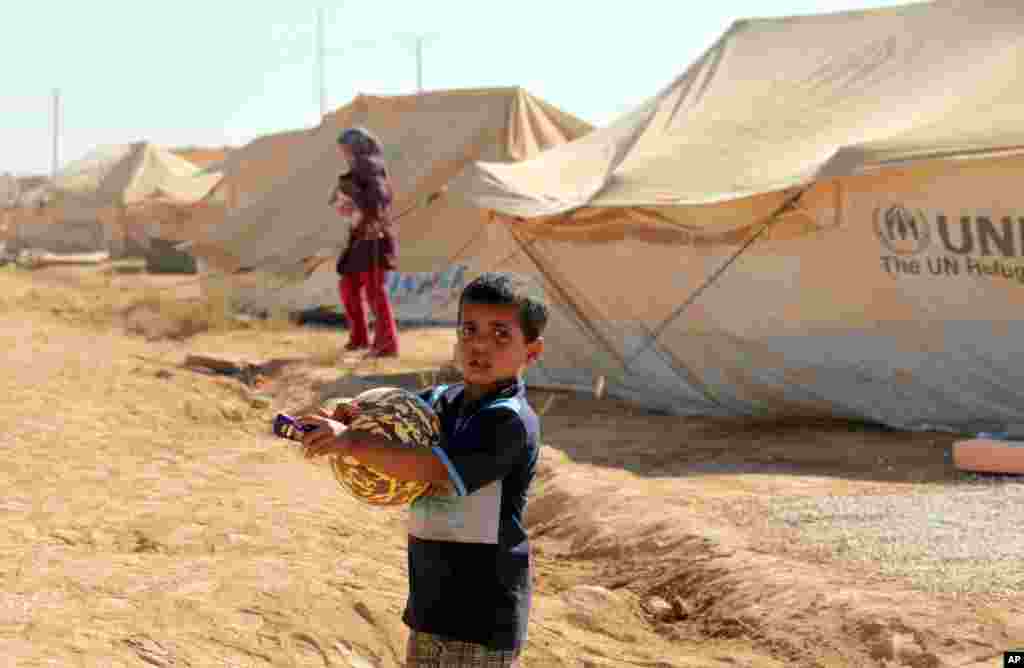
3/9A Syrian refugee boy carries toys, clothes and pocket money received by Muslim children on the first day of Eid al-Fitr holiday, at Zaatari Refugee Camp in Mafraq, Jordan, Aug. 19, 2012.
UN refugee agency says number of Syrians fleeing to Jordan has doubled in recent days, signaling what could be an impending mass movement.
Show moreShow less
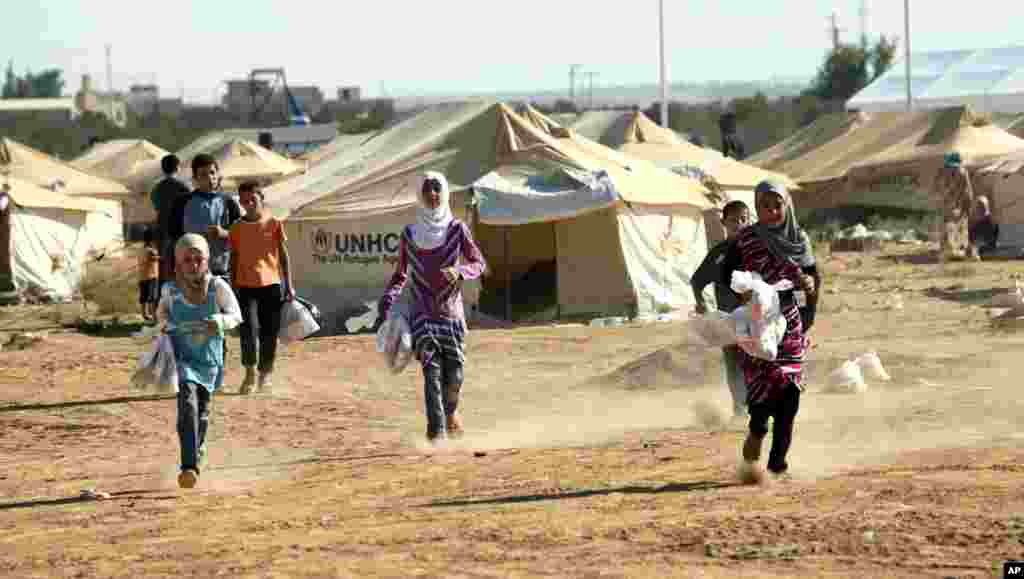
4/9Syrian refugee children run while carrying traditional gifts of toys and clothes they received from individual donors and international organizations on the first day the Muslim holiday of Eid al- Fitr at the Zaatari Refugee Camp in Mafraq, Jordan, Aug. 1
UN refugee agency says number of Syrians fleeing to Jordan has doubled in recent days, signaling what could be an impending mass movement.
Show moreShow less
5/9Syrian refugees wait outside a clinic at Zaatari Syrian refugee camp, in Mafraq, Jordan, Aug. 16, 2012.
UN refugee agency says number of Syrians fleeing to Jordan has doubled in recent days, signaling what could be an impending mass movement.
Show moreShow less
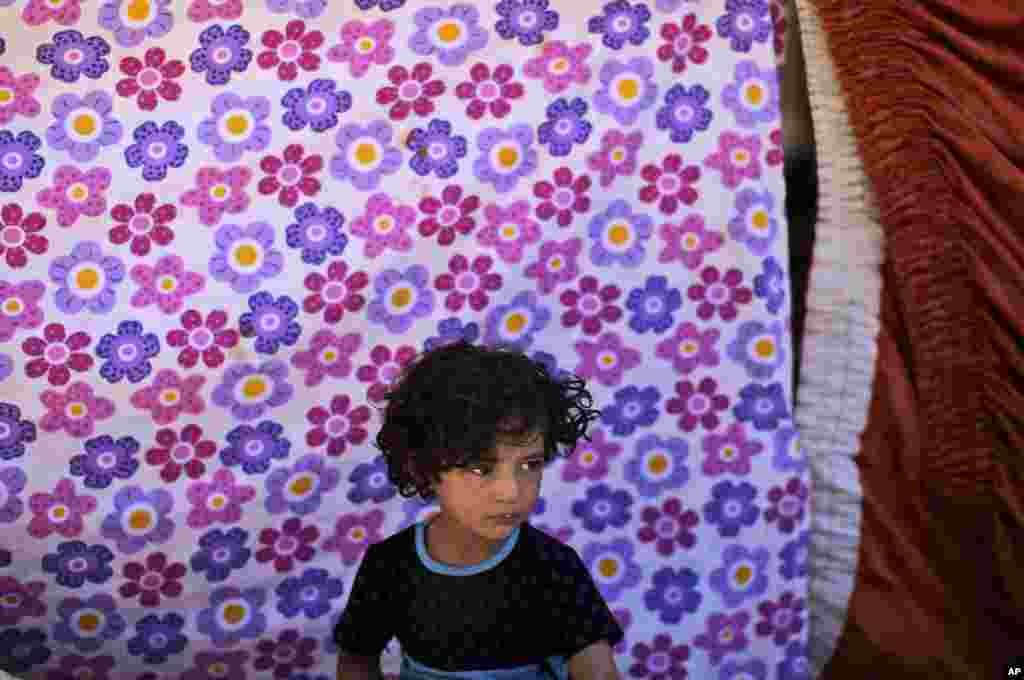
6/9Syrian girl, Raghad Hussein, 3, who fled her home with her family due to fighting between the Syrian army and the rebels, stands by her family's makeshift tent, near Azaz, Syria, Aug. 26, 2012.
UN refugee agency says number of Syrians fleeing to Jordan has doubled in recent days, signaling what could be an impending mass movement.
Show moreShow less
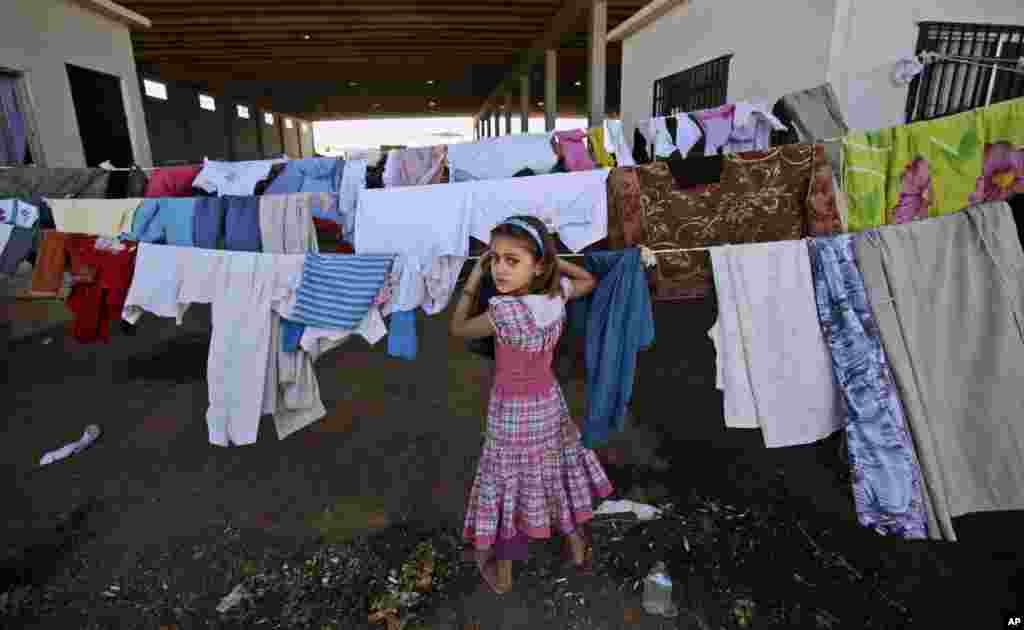
7/9A Syrian girl, who fled her home with her family due to fighting between the Syrian army and the rebels, looks back while checking her laundry, near the Syrian town of Azaz, Aug. 26, 2012.
UN refugee agency says number of Syrians fleeing to Jordan has doubled in recent days, signaling what could be an impending mass movement.
Show moreShow less
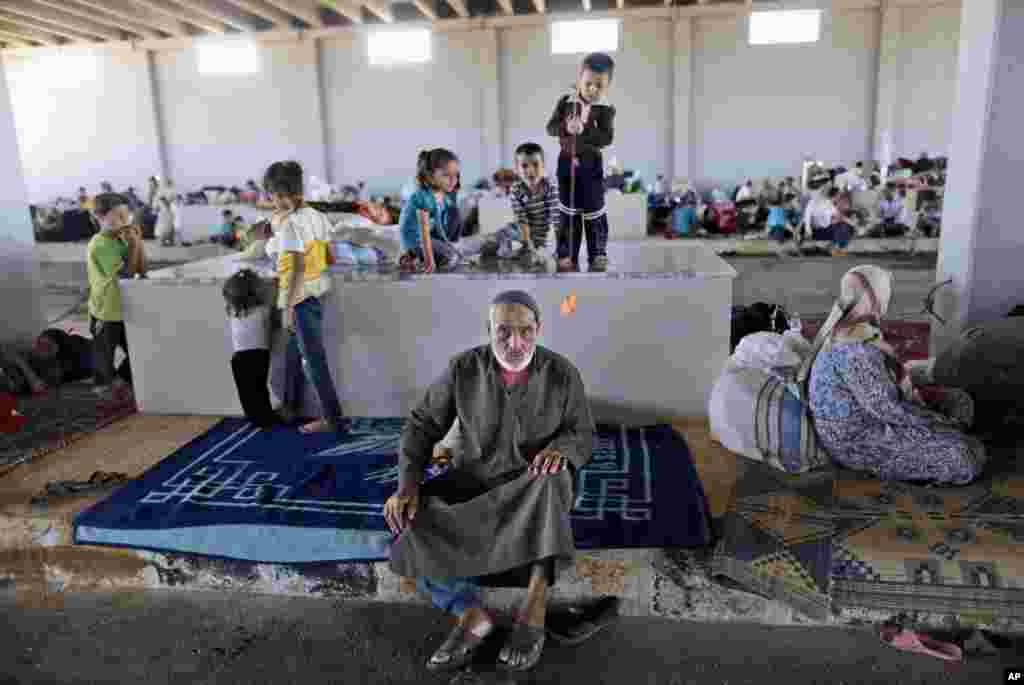
8/9An elderly Syrian man, who fled his home due to fighting between the Syrian army and the rebels, takes refuge at the Bab Al-Salameh border crossing, in hopes of entering one of the refugee camps in Turkey, near the Syrian town of Azaz, Aug. 23, 2012.
UN refugee agency says number of Syrians fleeing to Jordan has doubled in recent days, signaling what could be an impending mass movement.
Show moreShow less
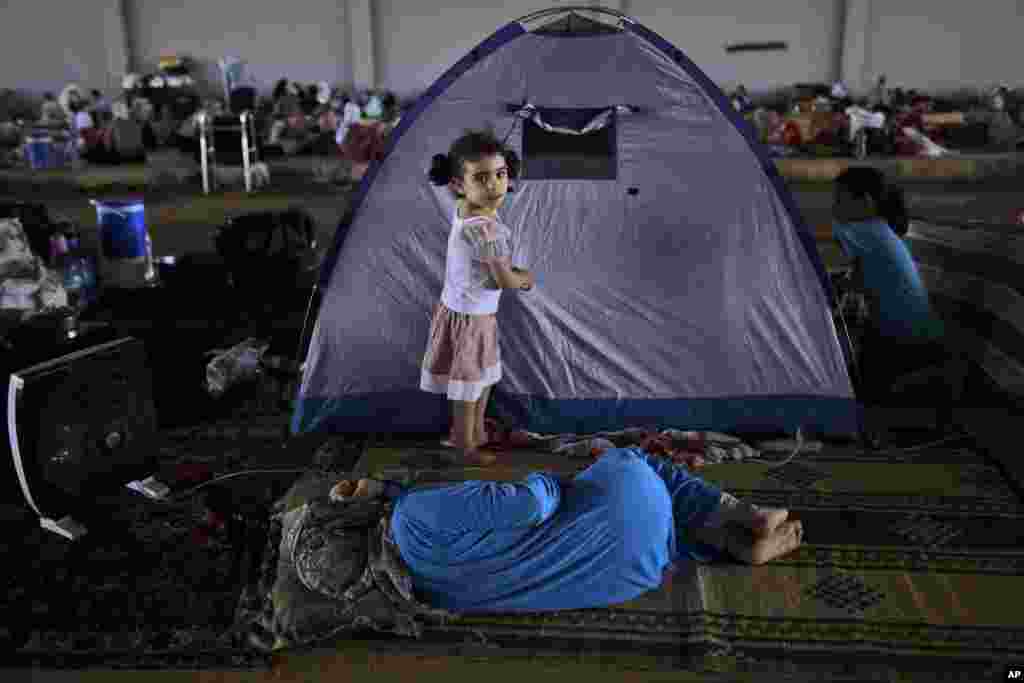
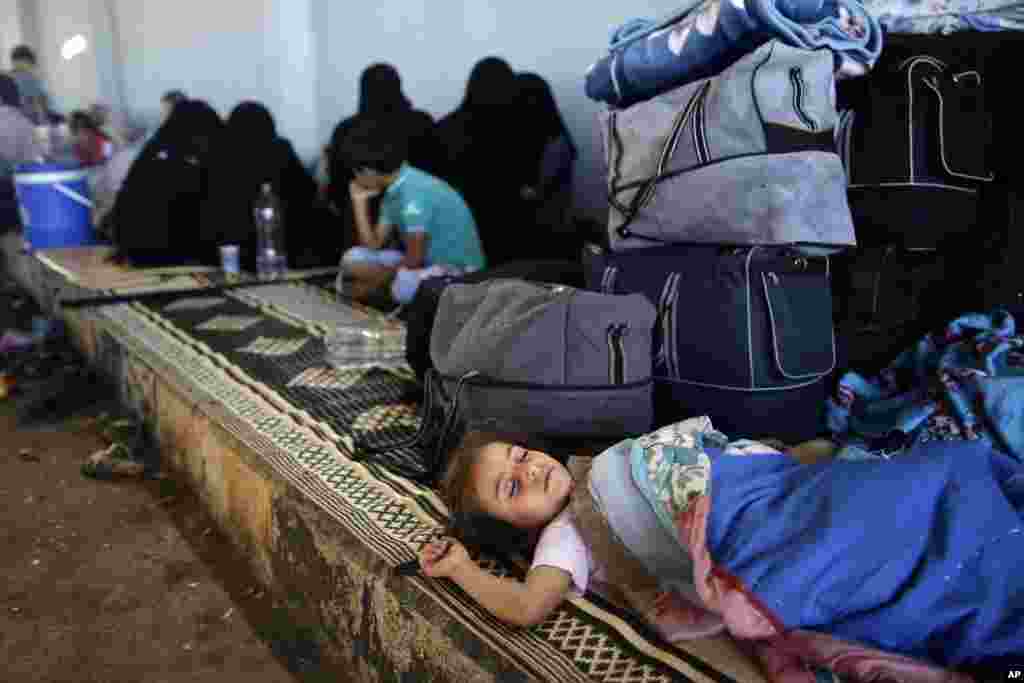
9/9A Syrian girl, who fled her home with her family due to fighting between the Syrian army and the rebels, sleeps by her family's belongings, near the Syrian town of Azaz, Aug. 23, 2012.
UN refugee agency says number of Syrians fleeing to Jordan has doubled in recent days, signaling what could be an impending mass movement.
Show moreShow less
Previous slide
Next slide
The blast took place in the Druze and Christian suburb of Jaramana around the southeastern part of the capital.
An activist group, the Syrian Observatory for Human Rights, said the funeral was being held for two government supporters killed in a bomb attack on Monday.
Non-Aligned summit
In Tehran, Syrian Deputy Foreign Minister Faisal Mekdad told reporters at a summit of the Non-Aligned Movement that member nations have condemned sanctions imposed against Syria by the West and some other countries. He also warned countries not to support Syrian rebels, who he called "terrorists."
"Any support by any foreign country of the terrorists in Syria is absolutely condemned, and we tell them that once you support terrorism in Syria it will come back to your own country. Stop it!" said Mekdad.
Syrian Refugees
The UNHCR says more Syrians are fleeing as violence increases. Most are heading to the following countries:
Jordan: 150,000 refugees
Turkey: 70,000 refugees
Lebanon: More than 35,000 refugees
Iraq: 12,000 registered refugees
Algeria: 10-25,000 refugees
source: UNHCR
New offensive
Meanwhile, The Associated Press reported that Syrian military helicopters dropped thousands of leaflets over Damascus and its suburbs Tuesday, urging rebels to hand over their weapons or be killed.
The AP said some of the leaflets read "The Syrian army is determined to cleanse every inch in Syria and you have only two choices: abandon your weapons ... or face inevitable death.''
Syrian authorities blame the 17-month uprising on a foreign conspiracy and accuse oil-rich Gulf countries Saudi Arabia and Qatar, in addition to the United States and Turkey, of backing "terrorists" seeking to oust the government of President Bashar al-Assad.
The Voice of America provides news and information in more than 40 languages to an estimated weekly audience of over 326 million people. Stories with the VOA News byline are the work of multiple VOA journalists and may contain information from wire service reports.