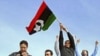




Independent news media are beginning to emerge in the Libyan capital, Tripoli, two weeks after the fall of Libyan leader Moammar Gadhafi. They are pledging to help build democratic institutions that were never allowed to develop under his 42-year rule.
It is evening in Tripoli and newly re-opened Radio Shababiya is broadcasting a show about the rebels who recently ousted Libyan leader Moammar Gadhafi from power.
Just months ago, such a program would have been un-thinkable. This government-owned station was broadcasting pro-Gadhafi propaganda aimed at the same youth who helped bring Gadhafi down.
Show host Mustafa Abdul Samad says during the Gadhafi era he worked for entertainment programs in order to avoid politics. But now it is different. “We can criticize anything. We can show our opinion and we can let the people express their feelings and their opinions about anything that they want to say without feeling afraid of being punished or being put in jail or our families will be hurt.”
Station director Walid Ellafi is a 25-year-old former rebel. He says this station has a new role: To give listeners a place to talk freely about their country's problems and press the government for change.
He says the small jihad, or struggle, was to change the regime. The big jihad is to develop the society.
He plans to launch television broadcasts in a few months.
Across town three editors, working in a converted shop, are preparing the latest edition of Tripoli's first independent newspaper. It is called Bride of the Sea (Aarous al-Bahr), a local nickname for Tripoli.
Editor Fathi Ben-Issa has been working in the business for 30 years. He frequently clashed with the former regime's censors and at one point faced charges of undermining the government that carried the death penalty.
During the fighting, he published anti-Gadhafi fliers while hiding in Tripoli. After the rebels took the capital, he rushed his first edition to the streets. It appeared last week.
Ben-Issa says he intends to allow all opinions in his paper, including those critical of the new leadership.
He says the Libyan people did not get a chance to work out their ideas and opinions like those living in the West. So he wants his publication to be what he calls a battleground of ideologies.
Ben-Issa says in Tripoli at least six newspapers already are preparing to publish. In eastern Libya, which came under rebel control six months ago, more than 100 newspapers have appeared.
Radio host Abdul Samad says the new freedoms bring new obligations. “This kind of freedom brings great responsibility to me and to everyone. We have to work for the best of this country. We have to improve Libya,” he said.
These media pioneers say Libyans understand what they have been fighting against.
But they say their society has never known the civic institutions needed to promote and protect the democratic freedoms they aspire to.
As a result, they say there is much work to be done. And for now at least, they welcome the competition being born in studios and newsrooms across the city.