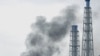



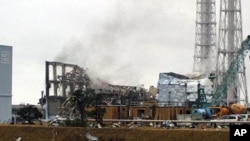
Japan says it may be several more days before power is restored to the reactor for which a core containment vessel may have been damaged. It is one of three reactors at the Fukushima-1 nuclear power plant with cores that, officials say, may have partially melted. Seawater has been pumped into them to prevent the fuel from being exposed.
The Tokyo Electric Power Company says external lines have been re-connected to the crippled facility. That will allow plant operators to again properly monitor radiation levels, illuminate control rooms and stabilize the cooling process.
Hidehiko Nishiyama, the deputy director general of Japan's Nuclear and Industrial Safety Agency, says stabilizing the Number-2 reactor is going to take some time.
Nishiyama says the electrical wiring has failed on the motor of the pump that circulates water in the pool for the used fuel rods. Replacement parts, he says, are being ordered.
For now, firefighters taking turns to avoid excessive radiation exposure are continuing to spray water on fuel pools at reactors where electricity has not been restored.
Scientists say the Number-3 reactor, containing mixed oxide fuel, presents the most severe risk among all of the six reactors. It would be expected to emit highly toxic plutonium in the event of a meltdown.
Another serious challenge is the Number-4 reactor. Its fuel was not in the reactor core at the time of the March 11 earthquake. Its fresher fuel rods - hotter in terms of radiation - are exposed because the roof of the reactor building was blown off in an explosion.
A tsunami triggered by the magnitude 9.0 earthquake destroyed the nuclear plant's cooling facilities.
Japanese Prime Minister Naoto Kan had planned to make a quick trip Monday to one of the communities hard hit by the natural disaster, as well as visit a base for workers of the nuclear plant. But officials say the helicopter flight was canceled because of bad weather.
The pounding rain also hampered search and relief efforts in the devastated Tohoku region. It also prompted unusual warnings from local government officials, advising people to avoid exposure to rain and to wipe themselves dry if they get wet.
Japanese authorities say while there are elevated levels of radiation in the air, soil and water, there is no immediate danger to human health.