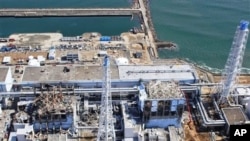



Japan says it will shut down reactors at the Fukushima-1 power plant by the end of the year. The announcement comes despite revelations that a natural disaster in March damaged the nuclear facility worse than earlier believed.
Serious troubles continue to beleaguer the operators of the Japanese nuclear power plant in Fukushima prefecture that was crippled by an earthquake and tsunami. But Prime Minister Naoto Kan told parliament Monday the damaged reactors will be shut down sometime this year.
Kan says the timeline for bringing the four damaged reactors into a state of cold shutdown will not be changed. He insists that will happen in six to nine months.
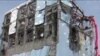
That timetable is consistent with a plan Tokyo Electric Power Company announced one month ago. But since then it has become apparent that the reactors suffered worse damage than earlier thought. The number one reactor, it is now acknowledged, suffered a meltdown soon after the March 11 earthquake and tsunami devastated northeastern Japan.
Japanese experts say the fuel rods inside the reactor were fully exposed to the air and melted. However, the fuel apparently dropped to the bottom of the containment vessel, preventing it from going into a full meltdown stage.
Recent attempts to keep the reactor cool by filling the containment chamber with water have run into difficulty. The power company, known as TEPCO, says thousands of tons of highly radioactive contaminated water have leaked through holes created by melted fuel into the reactor basement.
TEPCO is scheduled to release a review of its shutdown plan on Tuesday.
On Sunday, the utility acknowledged that the fuel cores of two additional reactors at Fukushima-1 had also been substantially damaged and cooling water is leaking.
High radiation levels near the units are hampering critical repairs as workers can spend only a limited amount of time there to avoid overexposure.
The world’s worst nuclear accident in a quarter of a century was triggered by the magnitude 9.0 earthquake and huge tsunami that devastated Japan’s northeastern Pacific coast. Police say 25,000 people were killed or are still missing.
Concerns about radiation emanating from the plant forced the evacuation of numerous communities.
On Sunday, thousands more residents beyond the previously established 20-kilometer evacuation zone left their homes. Authorities say atmospheric conditions have raised long-term safety concerns about radiation levels in their towns and villages.
About 80,000 people were initially forced out of their homes within the original no-go zone. They have yet to be informed when they might be able to reside there again.
Analysts say the nuclear crisis alone could cost Japan between $50 billion and $100 billion. Beyond that, the country, which has been in the economic doldrums for years, needs to figure out how to pay for the equally significant cost of rebuilding hundreds of coastal communities that were washed away by tsunami and other cities that suffered substantial quake damage. Some economists predict that will cost an additional $200 billion.
Japan Promises to Shut Down Fukushima Reactors By Year's End