



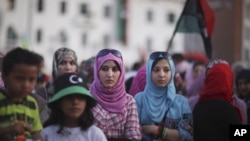
A Libyan economist Sami Zaptia is expressing satisfaction with the growth of civil society groups, which he says are educating citizens about their rights and responsibilities in a democracy.
Zaptia says the groups, including non-governmental organizations, have been organizing nationwide forums and seminars to empower Libyans as they prepare for elections for a new government next year.
The anticipated vote is scheduled to establish a committee to draft a constitution.
Analysts say there has been an upsurge of radio, television and newspapers publications following the overthrow and death of long-time leader Moammar Gadhafi.
Zaptia says Libyans are breathing a breath of fresh air and are increasingly becoming aware of the need to respect people’s rights.
“[They] are learning very fast and very quickly. Libyans have suddenly known how to demonstrate, because there is demonstration every other day in front of one or another government building. They are being allowed to strike,” said Zaptia. “Libyans really are learning this new so-called social contract and there is completely new relationship at play now.”
He says public education campaigns about democracy are teaching potential voters that leaders should be accountable to them, a concept that he says was not recognized during Gadhafi’s four-decade-year rule.
Zaptia also says for others, change has been difficult.
“Some Libyans are finding this bewildering; it’s all new to them as you can imagine. Many Libyans born after 1969 when Mr. Gadhafi came to power have never known anything but a one state one party one man’s rule,” continues Zaptia. “So all this sudden plethora of options and variety and plurality, they are finding confusing.”
Zaptia also says there has been a sharp increase in the participation of women during Libya’s transition.
“Let it be clear that the whole world knows the women of Libya are taking the full lion’s share of these activities. Day after day, I receive an invitation to attend one of the activities of women’s movements, [which are taking place] all over Libya,” said Zaptia. “They are full participants now in a new Libyan democracy and freedom and explaining the complexities of the new interim constitution.”
Meanwhile, Russia has renewed calls for NATO to investigate possible civilian deaths during its campaign of airstrikes in the North African country this year. Russia's U.N. Ambassador Vitaly Churkin said he will bring the issue to the Security Council on Thursday when it is set to discuss Libya.