


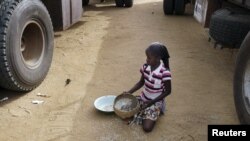
Aid workers say child malnutrition is reaching emergency levels in northern Mali which has been under the control of armed militant groups since April.
Brussels-based aid organization, Medecins du Monde, or Doctors of the World, says malnutrition rates among children under the age of five in occupied northern Mali are reaching "alarming levels."
The NGO says it found that 13.5 percent of those children in the far northern Kidal region are suffering from acute malnutrition. That's double last year's rate and well over the World Health Organization's 10 percent alert threshold.
The group's Mali project coordinator, Olivier Vandecasteele.
He says in the Kidal region, hundreds of children are currently suffering from life-threatening severe acute malnutrition, which makes them more vulnerable to otherwise treatable illnesses like diarrhea and malaria and has serious effects on long-term growth and development. If nothing is done, he says, the number of cases could climb in the coming weeks.
Doctors of the World gathered the data during a vaccination campaign over the past three months in the regions of Kidal and Gao. It was the first screening for malnutrition since the outbreak of the Mali conflict in January.
The conflict has reduced already inadequate health services, and outside humanitarian access to the occupied territory remains difficult.
Doctors of the World says it will begin handing out supplemental food to children under five years old, as well as pregnant and nursing mothers, in the Kidal region.
Mali is part of Africa's Sahel region, which is in the midst of a severe food crisis this year resulting from drought, poor harvests and high food prices.
The United Nations says the majority of the 4.6 million people at risk of food shortages in Mali are actually in the government-controlled south. Of those millions at risk, the U.N. says 560,000 children under the age of five face moderate to severe acute malnutrition.
Doctors of the World says the herding communities of northern Mali are usually less affected by malnutrition and regional food shortages; however the conflict has changed that.
Vandecasteele says these pastoral communities are typically raising animals, so they are eating more meat, more protein, on a regular basis than Malians in the south. However, he says fighting has displaced people, made it more difficult to access basic health and sanitation services, and meant that herders are being forced to abandon, sell or eat their livestock. This, he says, will have consequences for years to come, making them more vulnerable to future food crises.
The international community is weighing a possible military intervention to take back northern Mali from the militants. However many fear that more fighting will worsen the already precarious humanitarian situation.
Brussels-based aid organization, Medecins du Monde, or Doctors of the World, says malnutrition rates among children under the age of five in occupied northern Mali are reaching "alarming levels."
The NGO says it found that 13.5 percent of those children in the far northern Kidal region are suffering from acute malnutrition. That's double last year's rate and well over the World Health Organization's 10 percent alert threshold.
The group's Mali project coordinator, Olivier Vandecasteele.
He says in the Kidal region, hundreds of children are currently suffering from life-threatening severe acute malnutrition, which makes them more vulnerable to otherwise treatable illnesses like diarrhea and malaria and has serious effects on long-term growth and development. If nothing is done, he says, the number of cases could climb in the coming weeks.
Doctors of the World gathered the data during a vaccination campaign over the past three months in the regions of Kidal and Gao. It was the first screening for malnutrition since the outbreak of the Mali conflict in January.
The conflict has reduced already inadequate health services, and outside humanitarian access to the occupied territory remains difficult.
Doctors of the World says it will begin handing out supplemental food to children under five years old, as well as pregnant and nursing mothers, in the Kidal region.
Mali is part of Africa's Sahel region, which is in the midst of a severe food crisis this year resulting from drought, poor harvests and high food prices.
The United Nations says the majority of the 4.6 million people at risk of food shortages in Mali are actually in the government-controlled south. Of those millions at risk, the U.N. says 560,000 children under the age of five face moderate to severe acute malnutrition.
Doctors of the World says the herding communities of northern Mali are usually less affected by malnutrition and regional food shortages; however the conflict has changed that.
Vandecasteele says these pastoral communities are typically raising animals, so they are eating more meat, more protein, on a regular basis than Malians in the south. However, he says fighting has displaced people, made it more difficult to access basic health and sanitation services, and meant that herders are being forced to abandon, sell or eat their livestock. This, he says, will have consequences for years to come, making them more vulnerable to future food crises.
The international community is weighing a possible military intervention to take back northern Mali from the militants. However many fear that more fighting will worsen the already precarious humanitarian situation.