



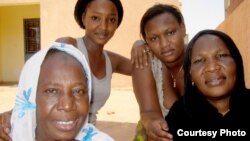
The ongoing conflict in Mali has led to the displacement of hundreds of thousands of people. The toll can be devastating as families are uprooted and forced to live in circumstances that they are not used to.
The Internal Displacement Monitoring Centre, IDMC, found for women and girls, it is especially traumatic. On top of the harsh rules they are now living under in a new location, there are countless reports of sexual violence, even forced marriages of very young girls to their assailants.
Elizabeth Rushing, IDMC’s country analyst for West Africa, recently returned from visiting women in Bamako who told her of key challenges they are now facing as internally displaced people (IDPs).
"The message from these women was very clear. Essentially, after the Jihadist group took control of northern Mali, life took on a new terrifying reality. But it became dangerous and humiliating for women specifically. And that’s the message that these women were getting across to me," explained Rushing. She also said the women fled their homes to safer locations like Bamako out of fear for their lives and the lives of their daughters and nieces whom they brought with them on their journey.
In terms of danger, Rushing said she was told of countless reports of sexual violence in the north.
"The women I spoke to had all witnessed or heard of rape or gang rape, or forced marriages. And sometimes those forced marriages were with very young girls. So, life was very dangerous. But also in terms of just shear humiliation, the armed groups which were operating in the north, their imposition of their own twisted version… of Sharia law, [a version which] is indeed removed from most interpretations of that law, is completely new to these groups. Suddenly, these women can’t leave their homes. They can’t have contact with men. They can’t sell goods to men, and that’s often their livelihood. And they have to cover themselves with heavy scarfs even when its 100 degrees Fahrenheit outdoors,” described Rushing.
The women also expressed how there is no more joy in their lives. However Rushing pointed out that despite these new harsh living conditions, the women still displayed a sense of hope. She said all they want to do is go home and rebuild their lives. However, right now the security situation in northern Mali is still unstable. Rushing emphasized it could take years before it is safe enough for them to return home.
The Internal Displacement Monitoring Centre, IDMC, found for women and girls, it is especially traumatic. On top of the harsh rules they are now living under in a new location, there are countless reports of sexual violence, even forced marriages of very young girls to their assailants.
Elizabeth Rushing, IDMC’s country analyst for West Africa, recently returned from visiting women in Bamako who told her of key challenges they are now facing as internally displaced people (IDPs).
"The message from these women was very clear. Essentially, after the Jihadist group took control of northern Mali, life took on a new terrifying reality. But it became dangerous and humiliating for women specifically. And that’s the message that these women were getting across to me," explained Rushing. She also said the women fled their homes to safer locations like Bamako out of fear for their lives and the lives of their daughters and nieces whom they brought with them on their journey.
In terms of danger, Rushing said she was told of countless reports of sexual violence in the north.
"The women I spoke to had all witnessed or heard of rape or gang rape, or forced marriages. And sometimes those forced marriages were with very young girls. So, life was very dangerous. But also in terms of just shear humiliation, the armed groups which were operating in the north, their imposition of their own twisted version… of Sharia law, [a version which] is indeed removed from most interpretations of that law, is completely new to these groups. Suddenly, these women can’t leave their homes. They can’t have contact with men. They can’t sell goods to men, and that’s often their livelihood. And they have to cover themselves with heavy scarfs even when its 100 degrees Fahrenheit outdoors,” described Rushing.
The women also expressed how there is no more joy in their lives. However Rushing pointed out that despite these new harsh living conditions, the women still displayed a sense of hope. She said all they want to do is go home and rebuild their lives. However, right now the security situation in northern Mali is still unstable. Rushing emphasized it could take years before it is safe enough for them to return home.