News / Middle East

Mountain of Trash Blights Historic Lebanese City of Saida

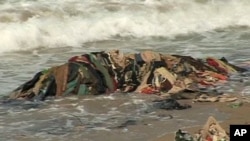
Off the coast of Saida, Lebanon garbage spills into the Mediterranean Sea from what is known locally as "trash mountain"

Multimedia

TEXT SIZE - +
Paige Kollock

The Lebanese city of Saida is known for its historic ruins dating to the 5th century BC. It also is known for its giant garbage dump, which residents call "trash mountain."  The mountain has grown steadily for more than 30 years, and city residents, tourists and environmentalists say it is a growing source of frustration to them.

Lebanon's 150-kilometer coastline is dotted with beautiful beaches, but off the coast of Saida, there are no swimmers, due to a giant heap of stinking garbage. The dump started in the 1980s, during Lebanon's civil war, when people began throwing out debris from the destruction.  Over the years, it has grown into an eyesore, an environmental hazard and source of shame for the city.

Mohammed al-Saudi, mayor of Saida, was elected on a platform of getting rid of the trash mountain.

"What we have in Saida is really pathetic, to have a mountain of rubbish, nobody can be proud of it.  We will be proud when we move it," said al-Saudi.

Environmentalists say the mountain is a threat to marine life and coastal ecosystems.  Because there is no barrier between the trash and the sea, the garbage often drifts straight into the water, killing fish and consequently the livelihoods of local fisherman.  

The dump is a health hazard, says Wael Hmaidan, executive director of Indy Act, a non-profit group that works on waste solutions.

"Saida dump burns periodically, and the direction of the wind takes all these toxic fumes into the city, Saida, so you can say on weekly basis, the people in Saida breathe this toxic air," noted Hmaidan.

Many residents doubt the government can fix the problem, but the newly elected mayor is taking action. Al-Saudi says there are plans in place to build both a waste treatment facility and a three-kilometer barrier that would keep the trash from spilling into the sea.

Saudi Arabia has already donated $20 million towards fixing the problem, and the Lebanese government has pitched in, too. The work is expected to take two to three years and will cost upwards of $30 million.

You May Like

Experts Weigh In on Challenges of Closing Guantanamo Prison

Former chief military prosecutor at Guantanamo delivers petition to White House with more than 370,000 signatures, demanding facility be closed down immediately More

Karzai to Discuss Enhancing Defense Ties with India

Afghanistan looking for more military aid as it prepares for withdrawal of NATO forces by next year More

India, China Pledge to Overcome Border Tensions

Indian prime minister and Chinese premier attempt to move past tense standoff in the Himalayas during Delhi talks More

Burmese President Opens US Visit with VOA Town Hall Meeting

Ahead of his meeting with President Obama Monday, Thein Sein answered questions on human rights and economic development in his country More

This forum has been closed.
Comments
     
There are no comments in this forum. Be first and add one

Featured Videos

Your JavaScript is turned off or you have an old version of Adobe's Flash Player. Get the latest Flash player.
Video

Video US Oil Surge Could Impact Mideast Geopolitics

The United States will account for a third of new oil supplies over the next five years, and will become energy self-sufficient in 20 years, according to a new report by the Paris-based International Energy Agency (IEA). Although U.S. oil imports from Arab Gulf countries increased last year, analysts predict the U.S. will lose its dependence on Middle East imports, which is expected to have a huge impact on international relations and the balance of power. VOA's Henry Ridgewell reports.