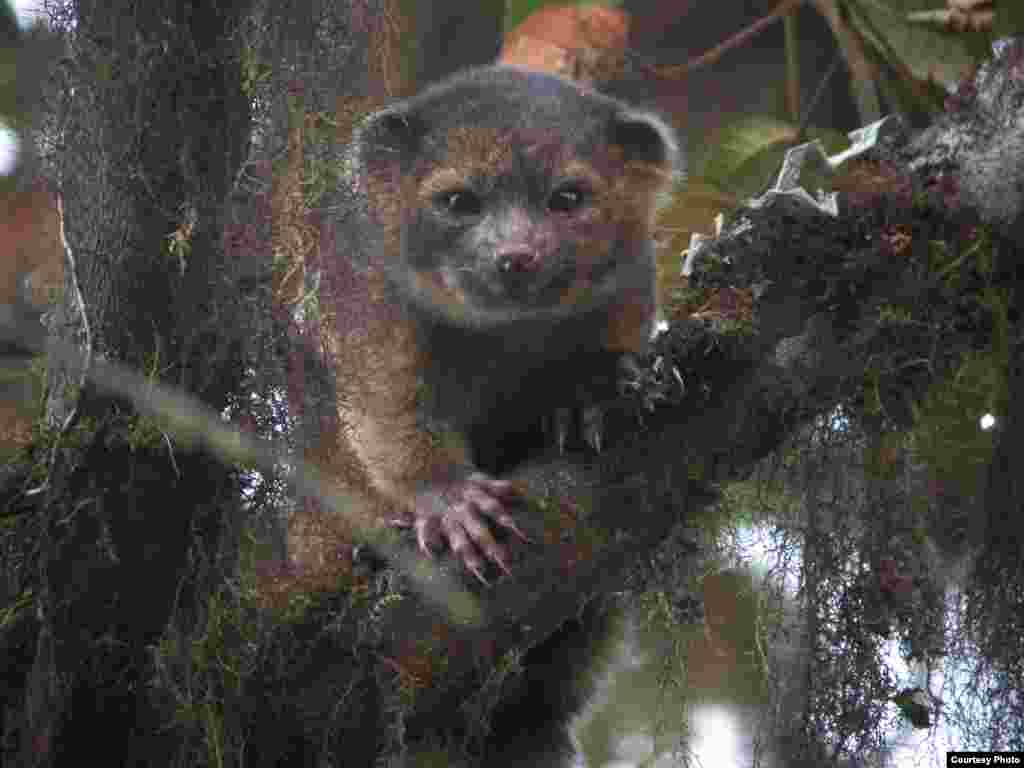
An "olinguito (Bassaricyon neblina)," described as the first carnivore species to be discovered in the American continents in 35 years, is pictured in a cloud forest in South America.
What do a 12 - meter- tall tree hiding in plain sight, a clean-room microbe that could pose a hazard during space travel and a sea anemone that lives under an Antarctic glacier have in common? They are all on the 2014 Top 10 New Species list, compiled by the International Institute for Species Exploration (IISE). IISE hopes to raise public awareness of the rich, diverse planet we inhabit.
Quentin Wheeler wants to draw your attention to the diversity of life on Earth.
“I think most people would be surprised to learn that, on average, we describe about 17,000 and 18,000 new species each year," said Wheeler.
Top 10 New Species 2014
1/10Davide Necchi of Iceland captured this great brightness and quick development of aurora late August.
These images are of the International Institute of Species Exploration's Top 10 New Species 2014.
Show moreShow less
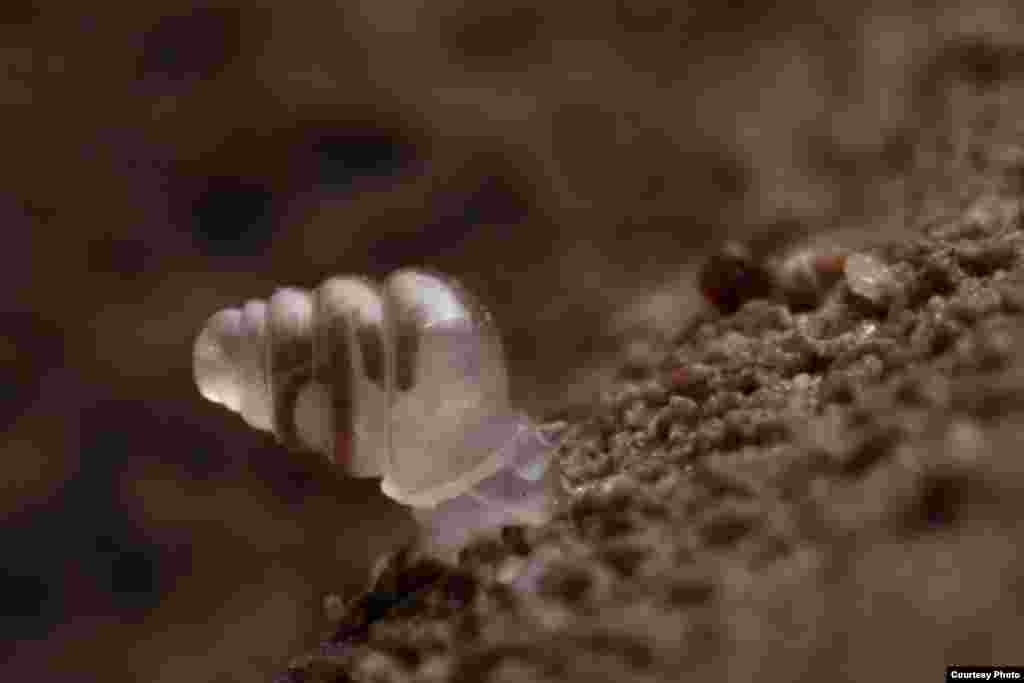
2/10Living in complete darkness some 900-plus meters below the surface in the Lukina Jama-Trojama caves of western Croatia, the domed land snail lacks eyes, and has no shell pigmentation, giving it a ghost-like appearance. Even by snail standards, it moves slowly, creeping only a few millimeters or centimeters a week. (Jana Bedek)
These images are of the International Institute of Species Exploration's Top 10 New Species 2014.
Show moreShow less
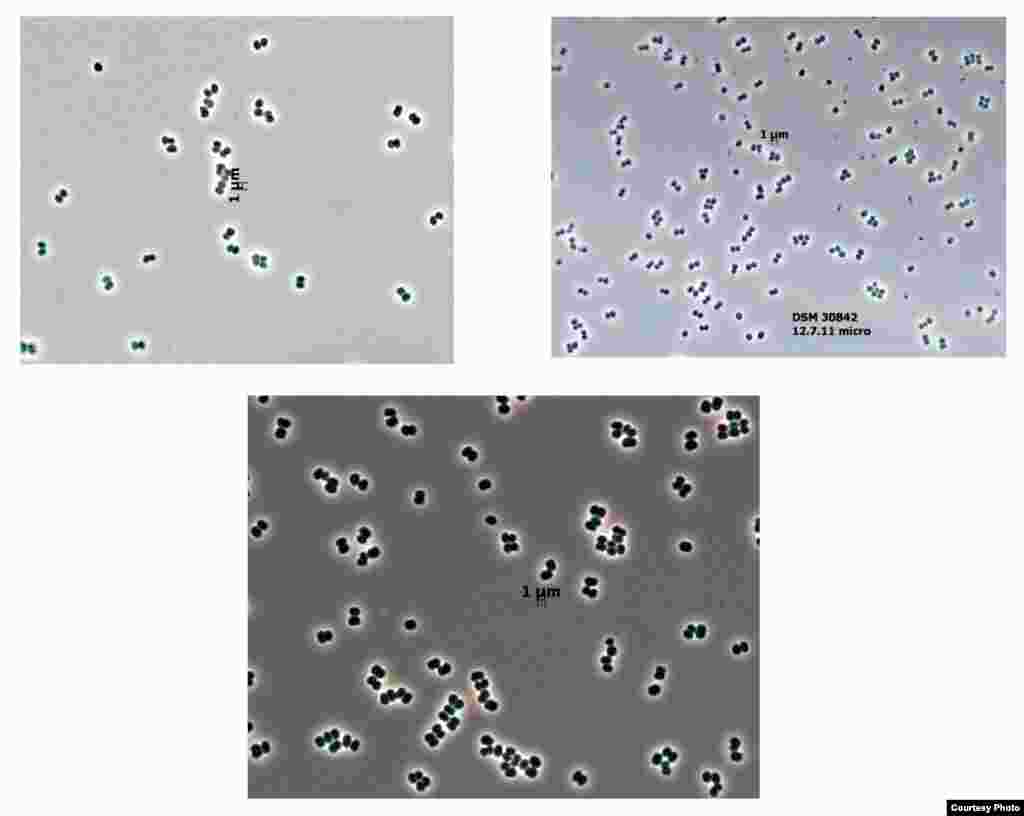
3/10Found in rooms where spacecraft are assembled, this microbial species could potentially contaminate other planets that the spacecraft visit. It can tolerate extreme dryness; wide ranges of pH, temperature and salt concentration; and exposure to UV light or hydrogen peroxide. It was independently collected from so-called clean rooms in Florida and 4000 km away, in French Guiana. (Leibniz-Insitute DSMZ and Jet Propulsion Laboratory, California Institute of Technology)
These images are of the International Institute of Species Exploration's Top 10 New Species 2014.
Show moreShow less
4/10This 4-5 cm single-celled amoeba from the Mediterranean Sea gathers pieces of silica spicules, which are actually sponge fragments, from its surroundings and uses them like so many Lego blocks to construct a shell. It ends up looking much like a carnivorous sponge as well as feeding like one. (Manuel Maldonado)
These images are of the International Institute of Species Exploration's Top 10 New Species 2014.
Show moreShow less
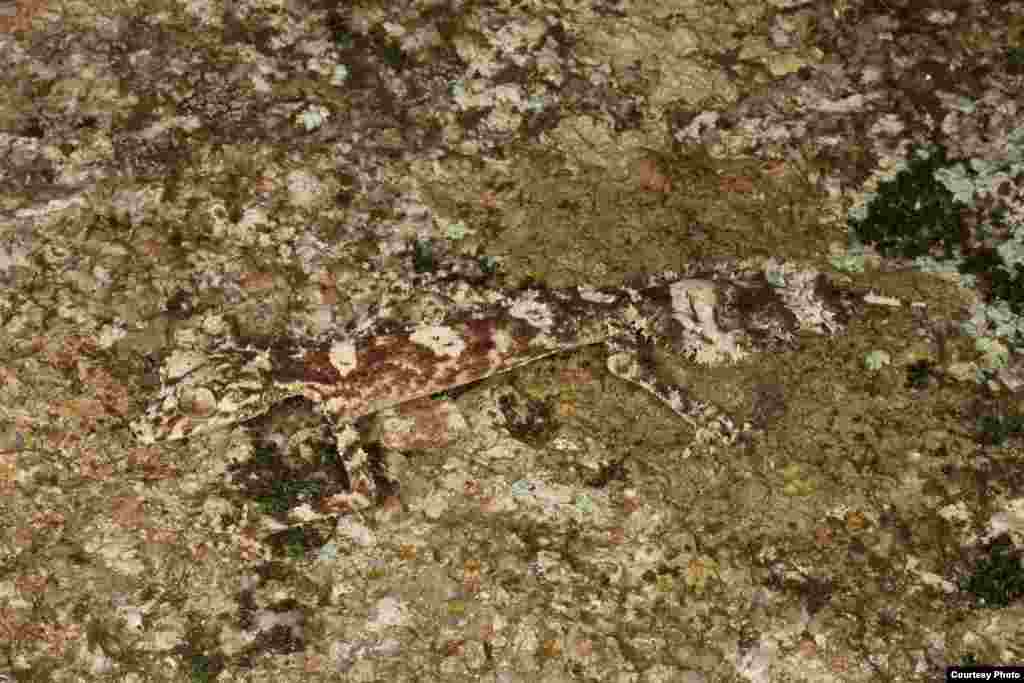
5/10With longer limbs, a more slender body and larger eyes than others of its species, the leaf-tailed gecko has a mottled coloration along with its extremely wide tail that allows it to blend in with its surroundings. Native to rain forests and rocky habitats in Australia, this gecko waits for prey on the vertical surfaces of rocks and trees. (Conrad Hoskin)
These images are of the International Institute of Species Exploration's Top 10 New Species 2014.
Show moreShow less
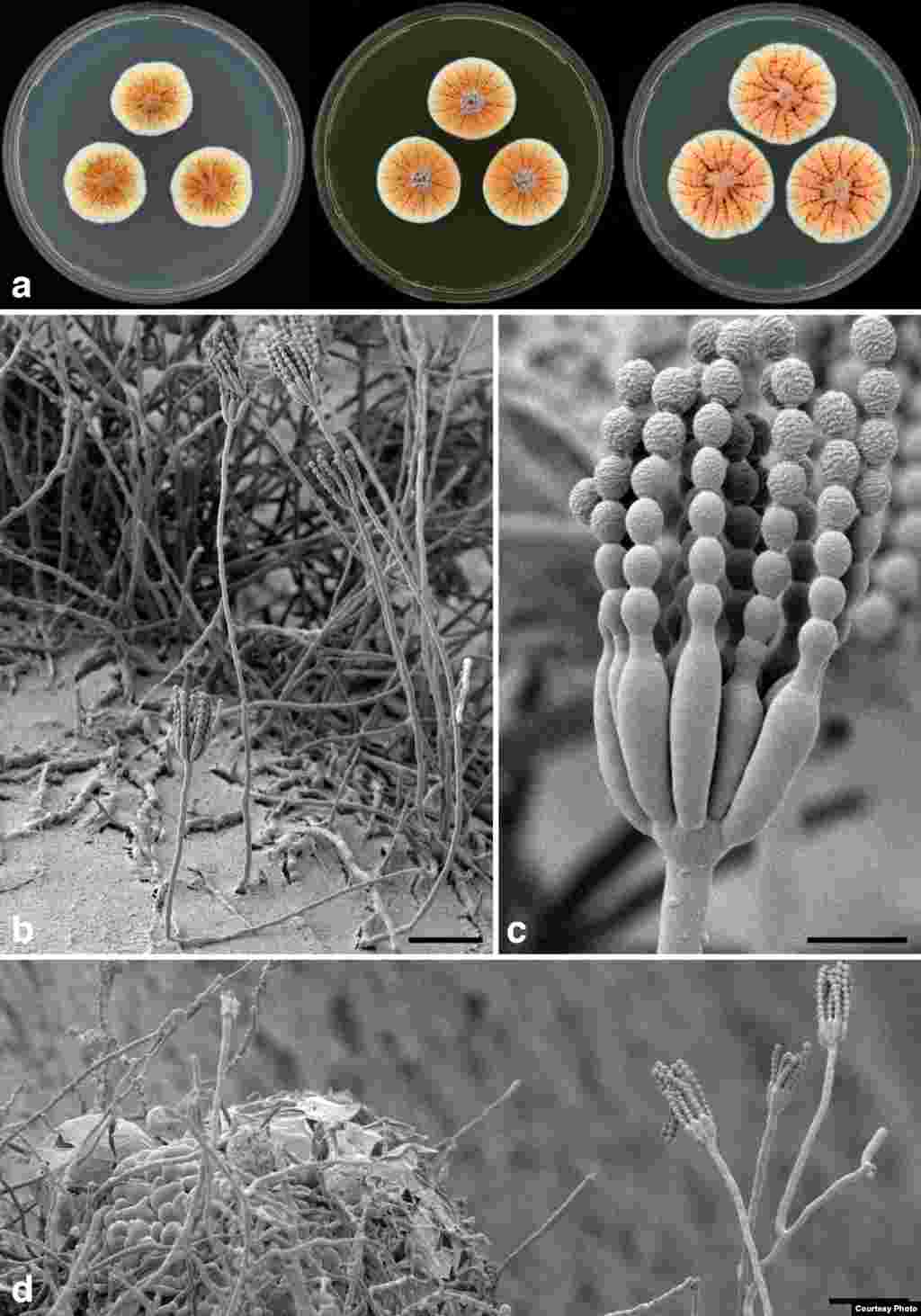
6/10Distinguished by the bright orange color it displays when produced in colonies, this fungus – described in a Dutch journal - was named as a tribute to the Dutch royal family, specifically His Royal Highness the Prince of Orange. The newcomer was isolated from soil in Tunisia. (Cobus M. Visagie)
These images are of the International Institute of Species Exploration's Top 10 New Species 2014.
Show moreShow less
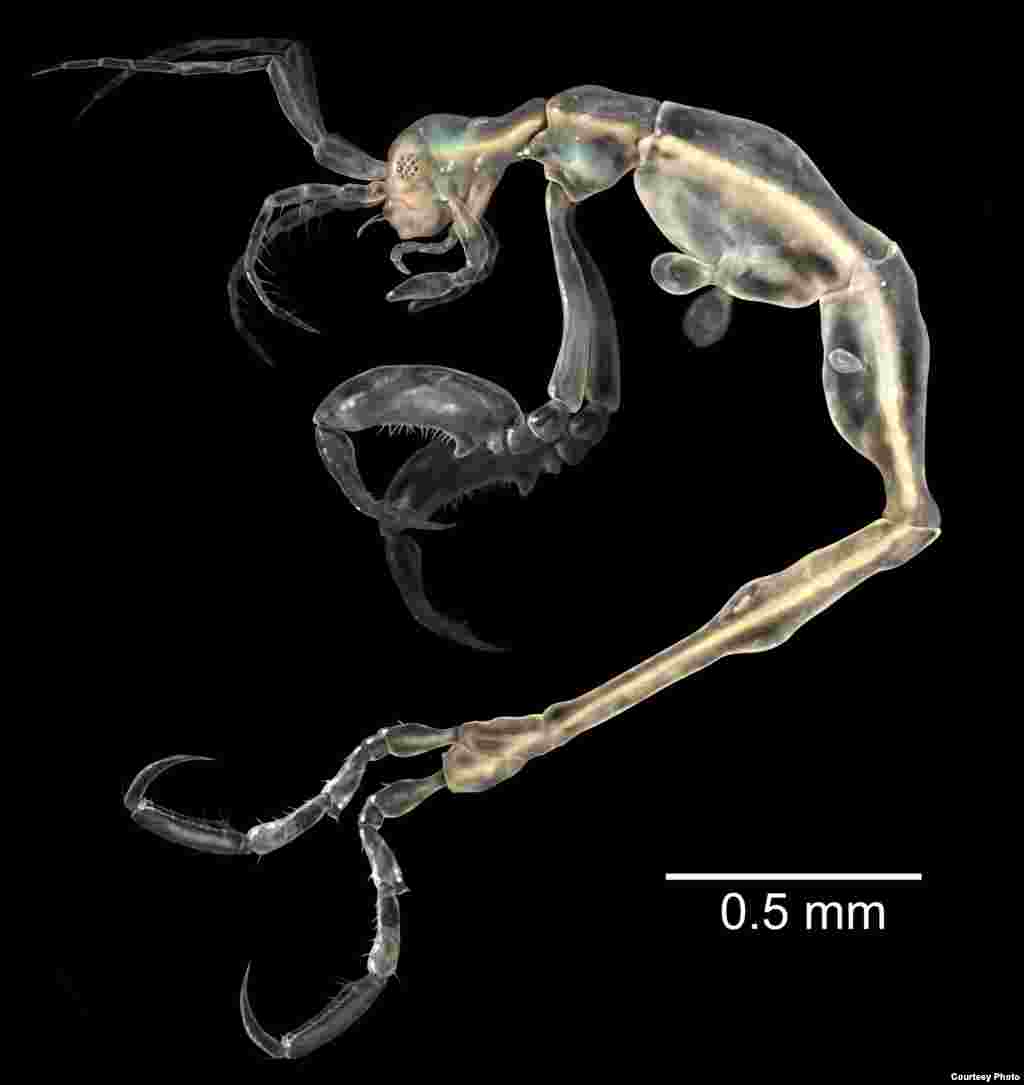
7/10The skeleton shrimp, the smallest in the genus, was identified from among specimens originally collected from a cave on an island off the coast of Southern California. The new species has an eerie, translucent appearance that makes it resemble a bony structure. (SINC)
These images are of the International Institute of Species Exploration's Top 10 New Species 2014.
Show moreShow less
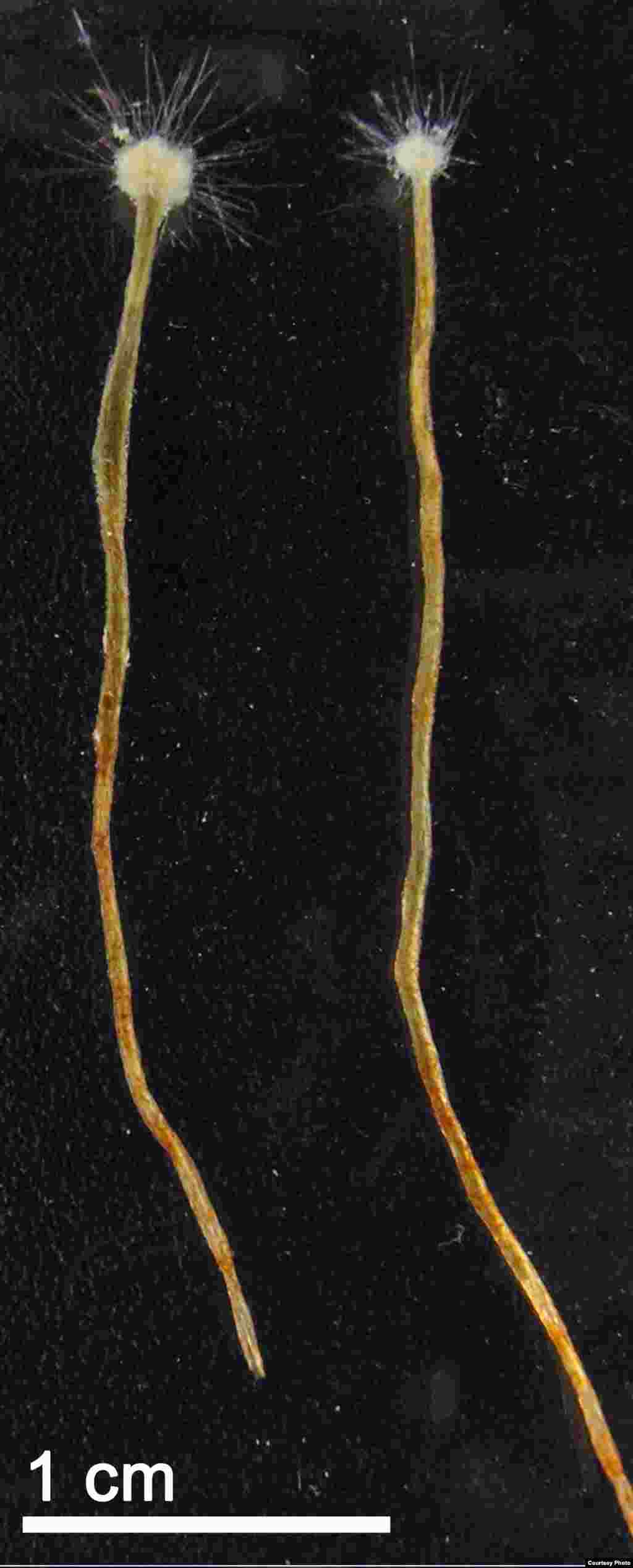
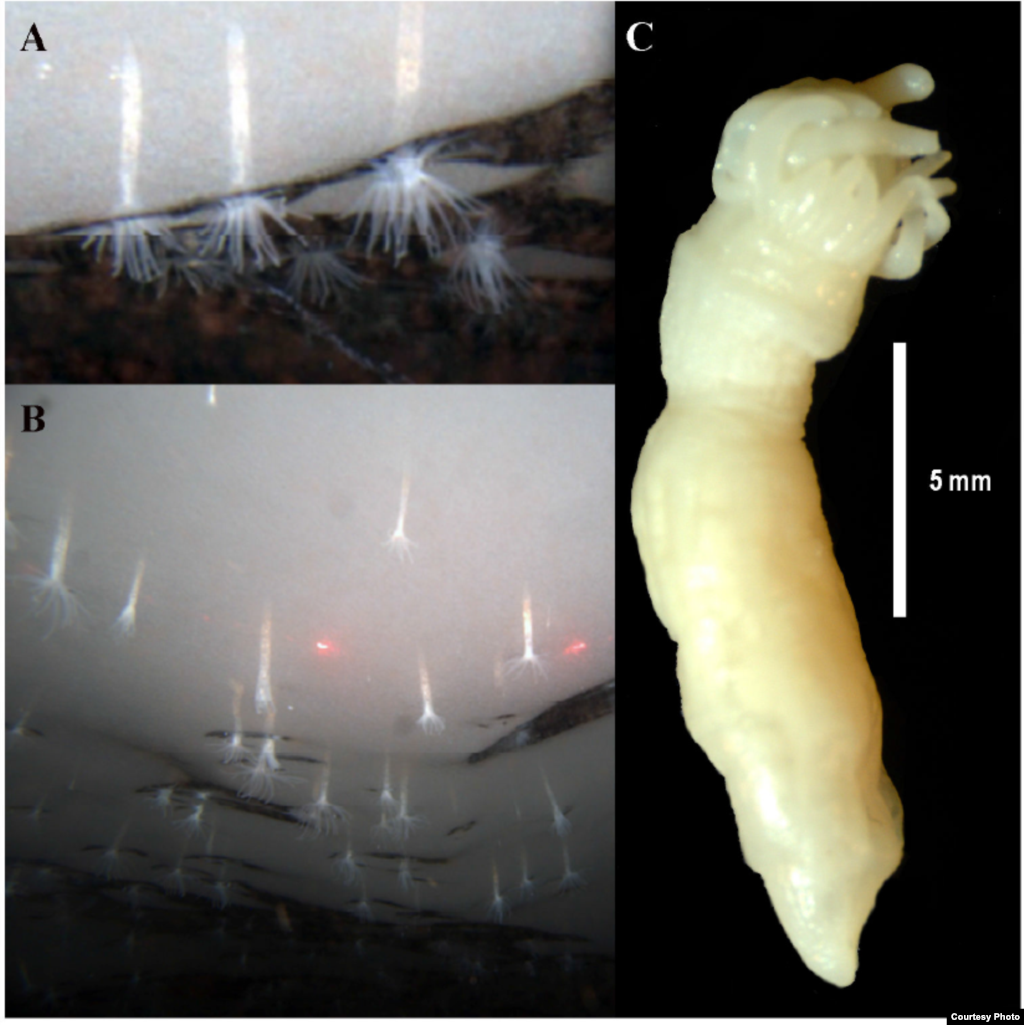
8/10It is not clear how the ANDRILL sea anemone withstands the harsh conditions under a glacier on the Ross Ice Shelf in Antarctica. The 2.5 centimeter creatures were discovered when the Antarctic Geological Drilling Program (ANDRILL) sent a remotely operated submersible vehicle into holes that had been drilled into the ice. (SCINI/Marymegan Daly)
These images are of the International Institute of Species Exploration's Top 10 New Species 2014.
Show moreShow less
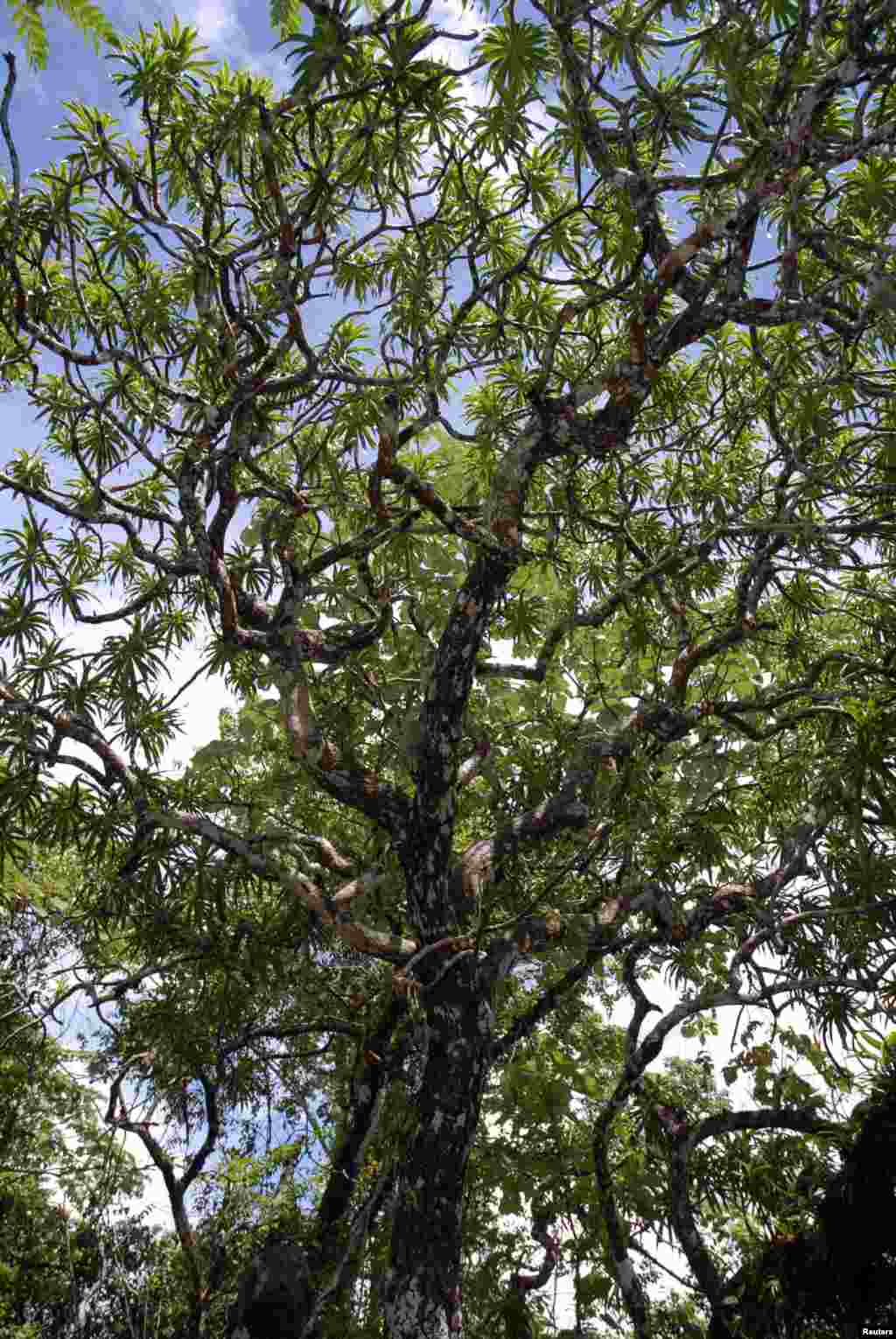
9/10Beautiful, soft, sword-shaped leaves with white edges and cream-colored flowers with bright orange filaments are the hallmarks of the dragon tree, which can grow to 12 meters in height. It is found in the limestone mountains of Thailand and may also be found in nearby Burma. (Paul Wilkin)
These images are of the International Institute of Species Exploration's Top 10 New Species 2014.
Show moreShow less
10/10The olinguito resembles a cross between a slinky cat and a wide-eyed teddy bear, and lives in the cloud forests of the Andes mountains in Colombia and Ecuador. It is the first new carnivorous mammal described in the Western Hemisphere in 35 years. (Mark Gurney/ CC BY 3.0)
These images are of the International Institute of Species Exploration's Top 10 New Species 2014.
Show moreShow less
Previous slide
Next slide
Wheeler is director of the International Institute for Species Exploration, which publishes the annual survey.
“In the 250 years that modern taxonomy has been practiced, we have named fewer than two million of an estimated 10-12 million kinds of plants and animals," he said.
He notes that species are going extinct at least as fast as they are being discovered, which adds urgency to the task of naming.
“…to explore the flora and fauna and make a first pass inventory so that we can make the best conservation priorities moving forward and assure that as much biodiversity is sustained as possible," said Wheeler.
The institute’s planet-wide sampling this year includes a mammal from Ecuador that looks like a cross between a slinky cat and a wide-eyed teddy bear, the Dragon Tree from Thailand with soft, sword-shaped leaves and cream colored flowers, and a sea anemone living under a glacier in Antarctica.
“The anemone’s body is literally embedded in solid ice with its tentacles dangling below into the frigid water and the only way this was seen was by drilling through the ice shelf and then sending down remotely operated submersible little devices that have cameras and could actually explore," he said.
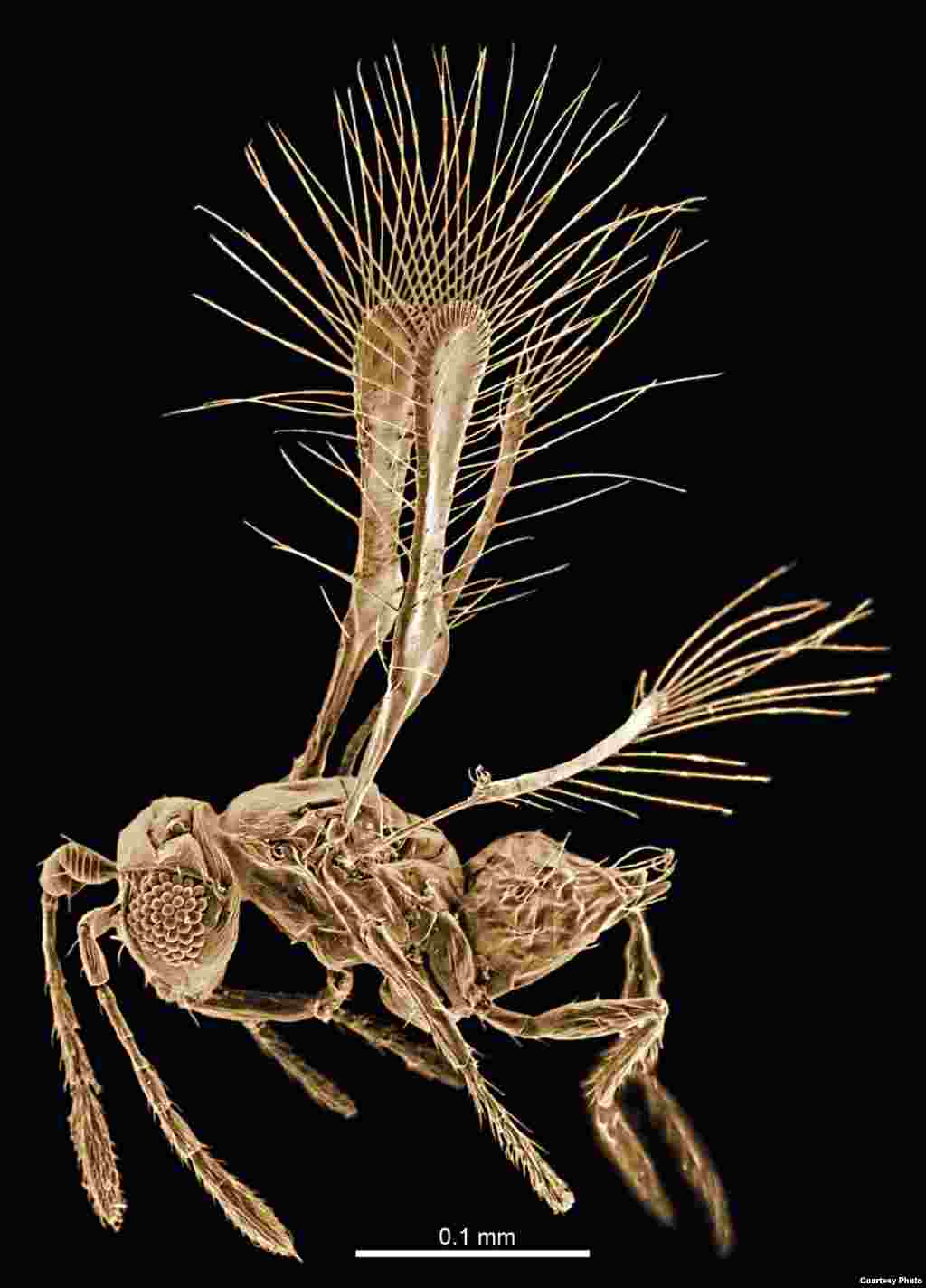
Other creatures new in 2014: A translucent snail from one of the earth’s deepest caves, a tiny see through shrimp and a miniscule wasp with fringed wings.
A new microbe among the top 10 is shrouded in mystery. It turned up in the specially-controlled filtered environment of two rooms where spacecraft are assembled. The so-called clean rooms were some 4,000 kilometers apart.
“…one [clean-room] in French Guiana and one in Florida. And we obviously need to know about them so that we can prevent giving them an outbound ride and contaminating some other sphere that we are visiting in the solar system on the one hand and on the other, it gives us a better idea of the full range of life that we should be looking for on other planets," he said.
Wheeler says each of the 10 million or so new species waiting to be discovered is a piece of Earth’s history and must be documented. He says a baseline of flora and fauna is doable within a few decades, but requires commitment from decision-makers and the public to make it happen.