NEW YORK —
In the aftermath of superstorm Sandy, New York city is dealing with water in tunnels, electrical conduits, and in the basements of major financial institutions.
On Tuesday, the Brooklyn Bridge was covered with bumper to bumper traffic. On the pedestrian deck above, thousands of pedestrians were keeping pace with the cars.
Due to a city-wide suspension of subway service, street vendor Dominic Raiano decided to walk from Brooklyn to Manhattan after waiting an hour for a bus.
“There’s no reason that there shouldn’t be shuttle bus service for the trainsm," he complained. "They do it on other times when trains are down. Why can’t they do it this time?”
New York State Governor, Andrew Cuomo is asking the public to be patient.
“There are significant challenges that we're facing, he explained, "and problems in many cases that we've never experienced before or not in our generation. So patience and tolerance will be appreciated."
Hurricane Sandy Aftermath in New Jersey, New York
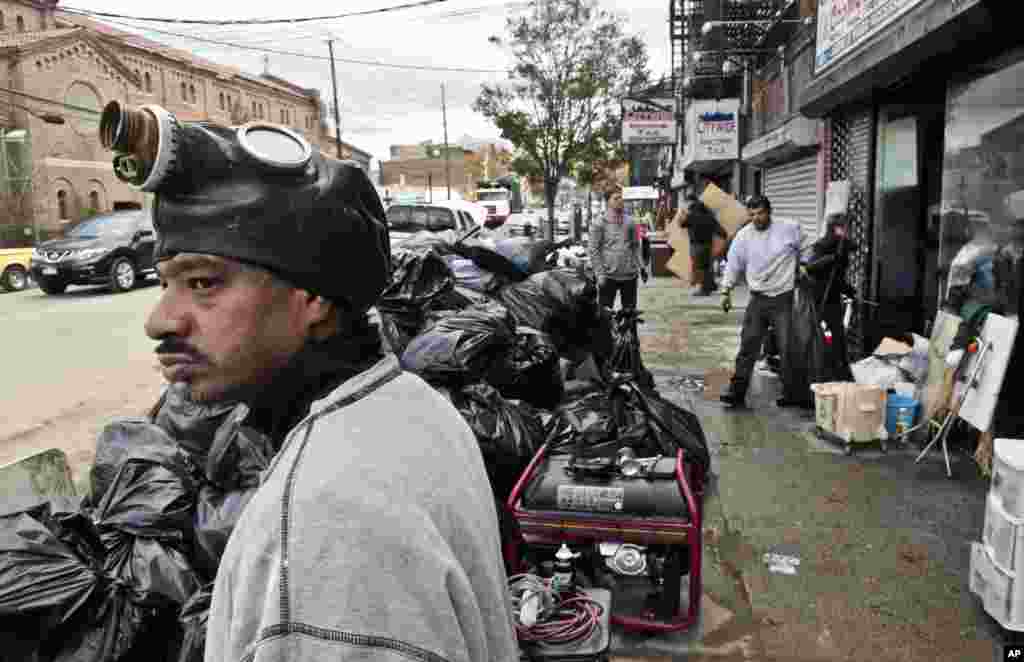
1/13Raymond Palermo, left, wears a protective mask as he helps to remove debris from his cousin's electronics store in Brooklyn, NY, Oct 31, 2012
Millions of people in the northeastern US most of them in the New York metropolitan area, remain without electricity iafter superstorm Sandy.
Show moreShow less
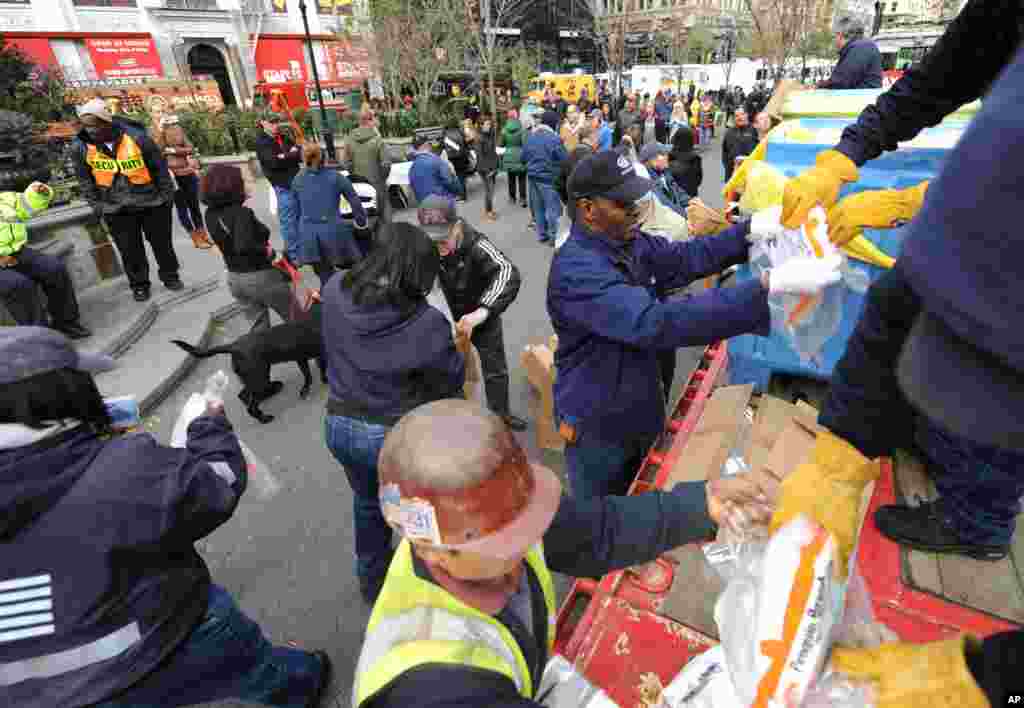
2/13Dry ice is unloaded from a flatbed truck in Union Square for distribution to residents of the still powerless Chelsea section of Manhattan, Nov.1, 2012.
Millions of people in the northeastern US most of them in the New York metropolitan area, remain without electricity iafter superstorm Sandy.
Show moreShow less
3/13روس کے شہر سوچی میں منعقد ہونے والے سرمائی اولمپکس اتوار کے روز ختم ہوئے۔
Millions of people in the northeastern US most of them in the New York metropolitan area, remain without electricity iafter superstorm Sandy.
Show moreShow less
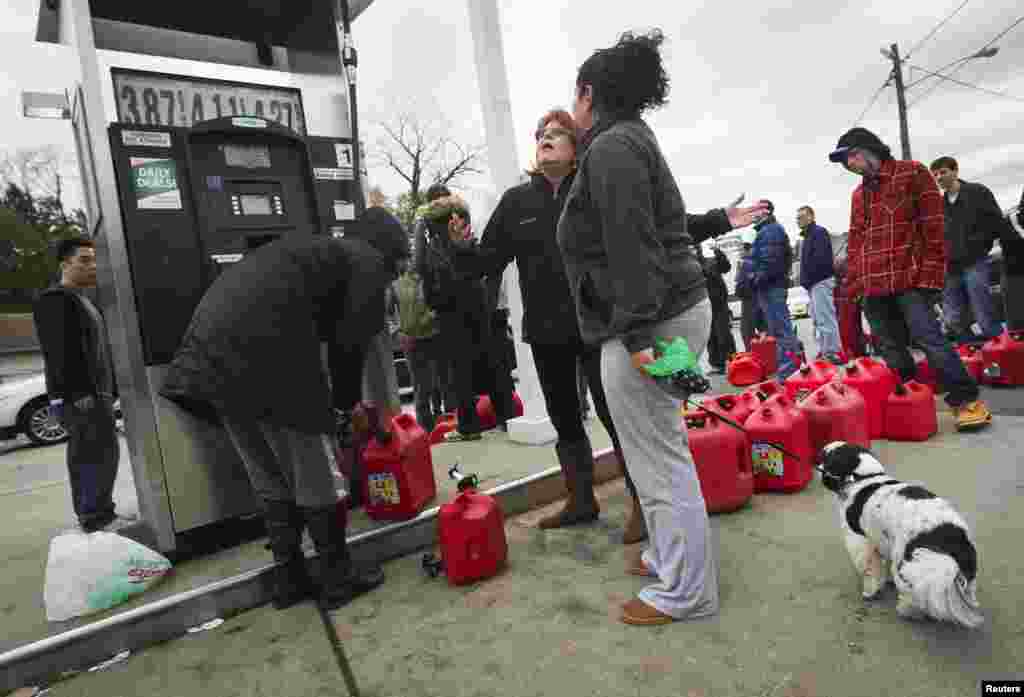
4/13A New York resident charges his cell phones from a generator connected to a 14th street market in the still powerless Chelsea section of Manhattan, New York, November 1, 2012.
Millions of people in the northeastern US most of them in the New York metropolitan area, remain without electricity iafter superstorm Sandy.
Show moreShow less
5/13The red arc in this infrared image from NASA's Spitzer Space Telescope is a giant shock wave, created by a speeding star known as Kappa Cassiopeiae. It is a massive, hot supergiant moving at around 2.5 million mph relative to its neighbors (1,100 kilometers per second). But what really makes the star stand out is the surrounding, streaky red glow of material called a bow shock, in its path. (Image Credit: NASA/JPL-Caltech)
Millions of people in the northeastern US most of them in the New York metropolitan area, remain without electricity iafter superstorm Sandy.
Show moreShow less
6/13Commuters wait in Brooklyn, New York to board buses into Manhattan, due to the widespread subway closures throughout the city.
Millions of people in the northeastern US most of them in the New York metropolitan area, remain without electricity iafter superstorm Sandy.
Show moreShow less
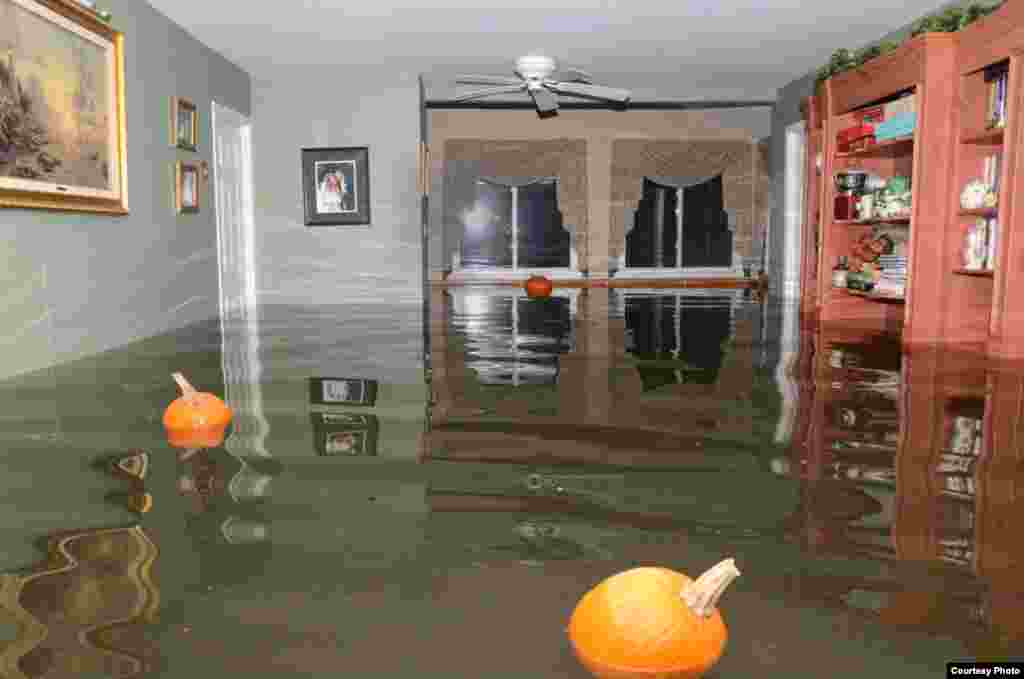
7/13Flooding in the area after the storm is widespread. Joe Donnelly of Island Park, New York shared a photo of his flooded home on Halloween, October 31, 2012. (Courtesy photo)
Millions of people in the northeastern US most of them in the New York metropolitan area, remain without electricity iafter superstorm Sandy.
Show moreShow less
8/13Early morning traffic in Brooklyn, New York moves slowly beneath the still-dark Manhattan skyline, November 1, 2012. New York is trying to resume its normal frenetic pace, but still finding it slow going on gridlocked highways.
Millions of people in the northeastern US most of them in the New York metropolitan area, remain without electricity iafter superstorm Sandy.
Show moreShow less
9/13This aerial photo shows the damage to an amusement park left in the wake of superstorm Sandy on October 31, 2012, in Seaside Heights, N.J.
Millions of people in the northeastern US most of them in the New York metropolitan area, remain without electricity iafter superstorm Sandy.
Show moreShow less
10/13An aerial photo of the Breezy Point neighborhood in New York, October 31, 2012, where more than 50 homes were burned to the ground as a result of the superstorm.
Millions of people in the northeastern US most of them in the New York metropolitan area, remain without electricity iafter superstorm Sandy.
Show moreShow less
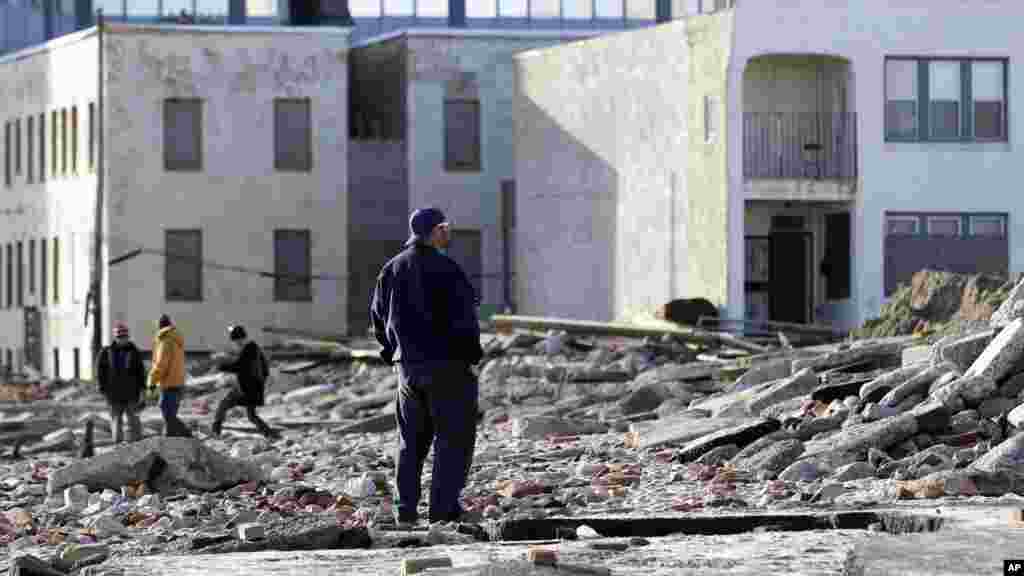
11/13Raymond Simpson, Jr., with Atlantic City's Department of Public Works, looks out over debris from superstorm Sandy in Atlantic City, N.J., November 1, 2012.
Millions of people in the northeastern US most of them in the New York metropolitan area, remain without electricity iafter superstorm Sandy.
Show moreShow less
12/13An historic roller coaster from a Seaside Heights, N.J. amusement park fell in to the Atlantic Ocean during superstorm Sandy.
Millions of people in the northeastern US most of them in the New York metropolitan area, remain without electricity iafter superstorm Sandy.
Show moreShow less
13/13PSE&G employee Percy Thompson III unloads new electrical transformers in a parking lot used as a staging area at the Quaker Bridge Mall, November 1, 2012, in Lawrence Township, N.J.
Millions of people in the northeastern US most of them in the New York metropolitan area, remain without electricity iafter superstorm Sandy.
Show moreShow less
Previous slide
Next slide
Cuomo announced the resumption of limited subway service in parts of the city for Thursday, but not in Lower Manhattan.
Workers there are pumping water from flooded underground electrical conduits. The flooding as well as an explosion during the storm at a transformer station knocked out power to New York’s Financial District, a local hospital, and the city’s tallest apartment building, the new Beekman Tower designed by famous architect Frank Gehry.
Nathaniel Clay, who lives on the 70th floor, says the novelty of using the power outage to visit friends and neighbors is wearing off. The basement of Clay’s office in New York's Financial District is flooded. Subway stations in the area and some commuter tunnels also are flooded.
“At this point, I think a lot of people are getting stir-crazy, nad want to go back to their normal routines," he admitted.
At the request of the Federal Emergency Management Agency, the U.S. Army Corps of Engineers is helping the city remove water from places where Corps spokesperson Chris Gardner says it has never been.
“There are still tunnels and there are other areas in Lower Manhattan with large amount of water. We’re here to support efforts to unwater those as soon as possible and as soon as feasible," Gardner explained. "But there’s not really a timeline for that."
Gardner says the Corps of Engineers also is helping clean up tons of debris from New York waters to ensure the safety of local shipping, much of which has also been suspended.