


CAPITOL HILL —
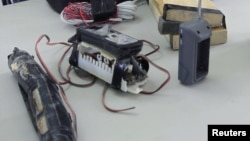
A Pentagon official said U.S. and allied forces will face a higher threat from improvised explosive devices, IED’s, as they draw down in Afghanistan.
U.S. officials said improvised explosive devices, homemade bombs usually placed on roadsides, have accounted for more than 60 percent of U.S. combat casualties in Afghanistan.
2011 was the deadliest year, with more than 1,900 U.S. troops killed or wounded by IEDs.
U.S. officials said the numbers are slightly lower this year, but Lieutenant General Michael Barbero, speaking to a Senate subcommittee Thursday, said he is concerned the threat of IEDs will increase next year as international troops begin the process of leaving their bases and pulling out of the country.
“Your situational awareness drops and frankly your movements on the roads become more predictable," said Barbero. "You’re not operating within this large bubble of a large presence. So, to sum up, I believe the IED will continue to be the weapon of choice against our forces.”
U.S. officials are working with Pakistan to try to stop the flow of calcium ammonium nitrate fertilizer from Pakistani factories to insurgents in Afghanistan who use the material to make IEDs.
Officials said the fertilizer is banned in Afghanistan, but is legal and readily available in Pakistan.
Barbero, who heads the Pentagon’s lead unit for countering IED’s, said calcium ammonium nitrate - routinely used in terrorist attacks - is a global security issue.
“It continues to be used worldwide: Oslo last summer, Mumbai. It is a ubiquitous fertilizer around the world and readily available, very cheap," he said. "A bag of it for about $50, you can turn 6-8 very effective IEDs.”
U.S. officials are working to encourage international fertilizer distributors to come up with ways to track and secure their products.
More than 60,000 U.S. troops remain in Afghanistan. President Barack Obama aims to have the vast majority of them out by 2014.
U.S. officials said improvised explosive devices, homemade bombs usually placed on roadsides, have accounted for more than 60 percent of U.S. combat casualties in Afghanistan.
2011 was the deadliest year, with more than 1,900 U.S. troops killed or wounded by IEDs.
U.S. officials said the numbers are slightly lower this year, but Lieutenant General Michael Barbero, speaking to a Senate subcommittee Thursday, said he is concerned the threat of IEDs will increase next year as international troops begin the process of leaving their bases and pulling out of the country.
“Your situational awareness drops and frankly your movements on the roads become more predictable," said Barbero. "You’re not operating within this large bubble of a large presence. So, to sum up, I believe the IED will continue to be the weapon of choice against our forces.”
U.S. officials are working with Pakistan to try to stop the flow of calcium ammonium nitrate fertilizer from Pakistani factories to insurgents in Afghanistan who use the material to make IEDs.
Officials said the fertilizer is banned in Afghanistan, but is legal and readily available in Pakistan.
Barbero, who heads the Pentagon’s lead unit for countering IED’s, said calcium ammonium nitrate - routinely used in terrorist attacks - is a global security issue.
“It continues to be used worldwide: Oslo last summer, Mumbai. It is a ubiquitous fertilizer around the world and readily available, very cheap," he said. "A bag of it for about $50, you can turn 6-8 very effective IEDs.”
U.S. officials are working to encourage international fertilizer distributors to come up with ways to track and secure their products.
More than 60,000 U.S. troops remain in Afghanistan. President Barack Obama aims to have the vast majority of them out by 2014.