


While meteorologists expect above-average rains in drought-stricken areas of the Horn of Africa this season, this might not be such good news for displaced people. Aid agencies say the rainy season could spread disease and cause a spike in death rates among vulnerable populations.
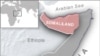
The World Meteorological Organization has said normal to above-average rainfall is expected in the areas of southern Somalia and Kenya that have been suffering from the worst drought in 60 years.
The news is a welcome relief for farmers who lost crops and livestock after the complete failure of the last two rainy seasons.
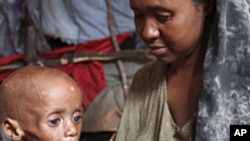
But, aid agencies are concerned that the rains will initially bring more suffering for populations displaced and weakened by drought and famine.
Astrid Sehl is a political advisor for the Norwegian Refugee Council, which works in Somalia and in the refugee camps in Dadaab, Kenya.
"We are extremely concerned for the first days and weeks into the next rain season because we know that the risk for disease spreading will increase, we know that children now who are severely malnourished will be very vulnerable to diseases like cholera, for instance, and diarrhea and we are afraid that many more children will die when the rain comes," said Sehl.
The United Nations estimates that nearly one-third of all Somalis, nearly 2.5 million people, have been displaced from their homes, a large portion of them this year.
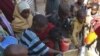
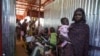
Many of those who relocated within Somalia are lacking even the most basic shelter. Outbreaks of cholera and measles have already been reported in makeshift camps.
Andy Needham, a Nairobi-based spokesperson for the U.N. refugee agency, UNHCR, says this is a dangerous situation, as aid workers learned from the last famine nearly 20 years ago.
"What our colleagues are telling us is that they were caught unprepared back in '92, and that when the rains came they had a very significant adverse affect on the state of the camps in terms of the shelter and also it had a knock-on effect in terms of the increased levels of hypothermia and increased levels of infant mortality, especially among the under-five," said Needham.
UNHCR is stepping up efforts to provide emergency assistance to internally displaced people in Somalia. Needham says the agency has already reached about 200,000 people with packages that include plastic sheeting, blankets, basic cooking equipment and soap.
There are also major concerns at the overcrowded Dadaab refugee camps in Kenya, which are hosting over 450,000 refugees, including 160,000 Somalis who fled there this year
Hassan Bashir, who lives at the Hagadera camp in Dadaab, says rains cause widespread problems every year.
"We'll see a lot of floods affecting the blocks and also the food distributions, especially Ifo, because it has soft ground, whereby the floods go through to the stores where WFP and CARE, they keep food for the refugees. Also houses will also break because of the heavy floods and also because of the heavy weather, these are the conditions which will arise," he said.
Bashir says even the solid homes that some refugees live in, which are made of mud brick, have been known to collapse in heavy rain, sometimes killing the residents inside.
Conditions are even worse for the thousands of refugees living on the outskirts of the camps in shelters made of sticks.
The rains are expected to start in the coming weeks. But U.N. experts say it will take at least two successful cycles of rain, planting and harvests before the Horn can fully recover from the drought.
That means the region may not see true relief from the food crisis until at least August of next year.
Rainy Season May Not Bring Relief to Horn of Africa