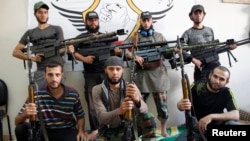
Free Syrian Army fighters pose for a photograph with their weapons in the old city of Aleppo, Sept. 16, 2013.
BEIRUT —
Syrian rebels remain furious over a Russian-brokered deal on Syria’s chemical weapons that has averted U.S. strikes on Damascus, saying the gives President Bashar al-Assad a green light to redouble his bombardments of opposition fighters and civilians.
During the weekend, Assad’s jets and artillery resumed heavy shelling of rebel-held areas outside Damascus. The shelling had been halted when it appeared a U.S. strike was likely.
Rebels aligned with the major Western-backed opposition group, the Syrian National Coalition, say the deal does nothing to halt the indiscriminate air attacks and shelling that have left thousands dead.
Rebels say they doubt the Syria government will abide by the deal.
Opposition activists and civilians in rebel-held strongholds are making home-made gas masks from bottles, surgical cotton and coal dust and are trying to secure supplies of drugs that can be used as antidotes to nerve agents.
Rebel merger
Partly in response to disappointment over the deal, two of the biggest rebel brigades aligned with the Western-backed Free Syrian Army [FSA], Liwa al-Tawhid and Liwa al-Fatah, have agreed to go ahead with a merger.
Their leaders say they now expect no real assistance from the U.S., according to Abu Feras, spokesman for Al-Tawhid.
“The international community doesn’t care what happens to Syria," he said. "If it really did it would have intervened a long time ago. They accuse the regime of crimes against humanity and just talk, as if that would solve anything.”
Commanders say together their unit numbers about 13,000 fighters. Both brigades have been highly active in the city of Aleppo and surrounding towns in the two-and-half-year civil war.
“We need to be united to liberate Syria and all the fighters are demanding we merge,” said Radwan Qarandal of Liwa al-Fatah.
The head of the rebel’s Supreme Military Command, Gen. Salim Idriss, who defected from the Syrian army, brokered the effort.
It is the first big merger in months of loosely aligned FSA rebel brigades, who remain disunited and often at odds with each other.
The Latest Images from Syria
1/9This citizen journalism image provided by Edlib News Network shows anti-Syrian regime protesters hold a poster depicting U.S. President Barack Obama during a demonstration in Kafr Nabil, Idlib province, Sept. 20, 2013.
Show moreShow less
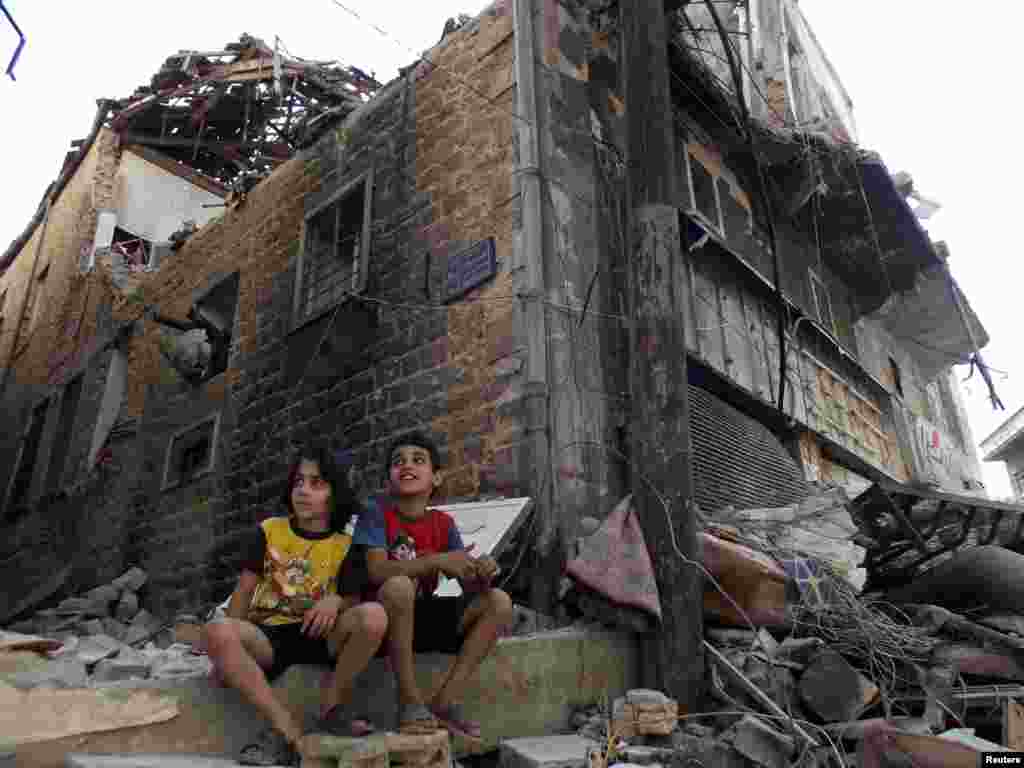
2/9Children sit along a damaged street filled with debris in the besieged area of Homs, Sept. 19, 2013.
Show moreShow less
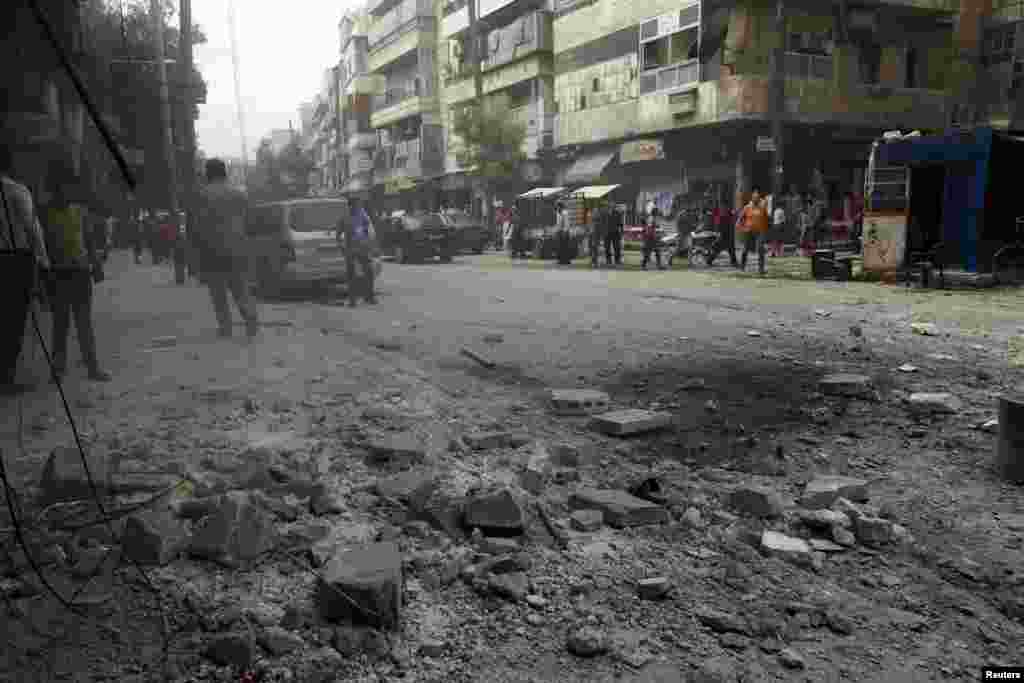
3/9Debris is seen on the ground after what activists said was shelling by forces loyal to Syria's President Bashar al-Assad in the al-Myassar neighborhood of Aleppo, Sept. 19, 2013.
Show moreShow less
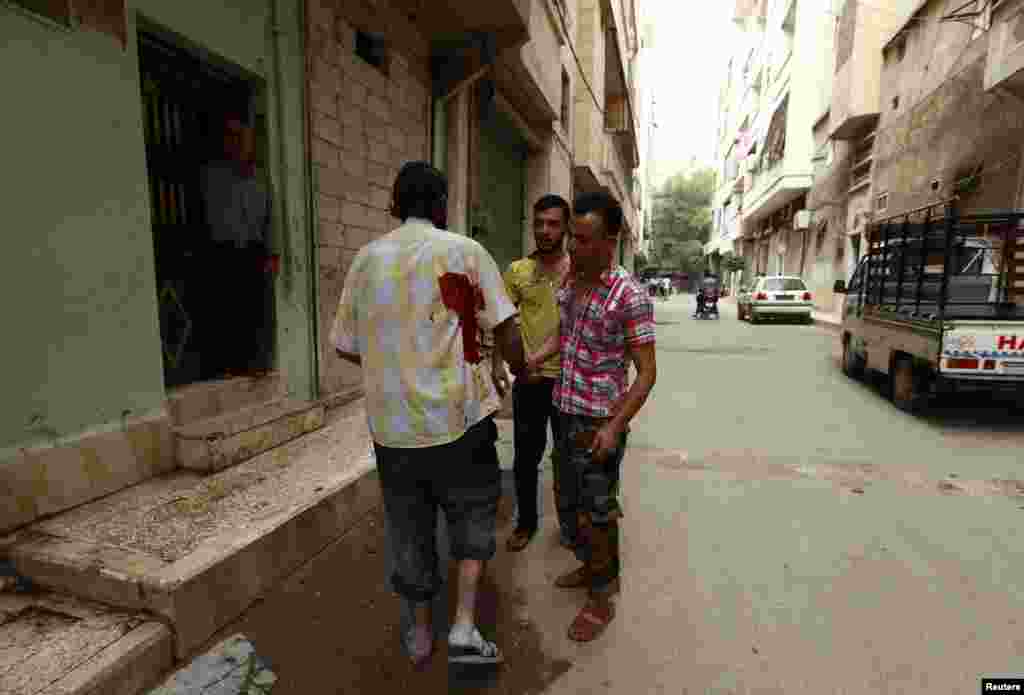
4/9An injured man walks along a street after what activists said was shelling by forces loyal to Syria's President Bashar al-Assad in the al-Myassar neighborhood of Aleppo, Sept. 19, 2013.
Show moreShow less
5/9This citizen journalism image provided by The Syrian Revolution against Bashar Assad shows a Syrian military tank on fire during clashes with Free Syrian army fighters in Joubar, a suburb of Damascus, Sept. 18, 2013.
Show moreShow less
6/9A member of the Shohadaa Badr Brigade, which operates under the Free Syrian Army, stands in shooting position behind sandbags in Ashrafieh, Aleppo, September 17, 2013.
Show moreShow less
7/9'Yan kabilar Yazidi.
Show moreShow less
8/9A Free Syrian Army fighter carries his weapon as he stands on rubble of damaged buildings in al-Aseela neighborhood near Aleppo's historic citadel, Sept. 13, 2013.
Show moreShow less
9/9In this citizen journalism image provided by the United media office of Arbeen, a Syrian protester chants slogans during a demonstration in Arbeen, a suburb of Damascus, Sept. 13, 2013.
Show moreShow less
Previous slide
Next slide
Varied opposition
Their disunity stands in marked contrast to the more disciplined al-Qaida affiliates in Syria, the Islamic State of Iraq and the Levant, and the smaller Jabhat al-Nusra.
The UK defense consultancy IHS Jane’s estimates that there are more than 1,000 rebel bands in Syria. As the war has dragged on, allegations of ill-discipline, looting and hostage-taking have dogged the rebels.
Over the weekend, one freed hostage, the Italian journalist Domenico Quirico, warned in an article in La Stampa that the conflict on the rebel side is seeing “the emergence of groups of Somali-style bandits who use an Islamic veneer and the context of the revolution to control pieces of territory, extort money from the population, kidnap people and generally fill their boots.”
Quirico, who was held for 150 days and released last week, said he was taken hostage by a group linked with Al-Farouk, a well-known rebel brigade aligned with the Syrian National Council.
The brigade was implicated last year in the abduction of more than a dozen Lebanese pilgrims in Syria. The Italian journalist said the revolution has “lost its way and become the property of fanatics and bandits.”