کنگ آف پاپ کہلائے جانے والے گلوکار مائیکل جیکسن کی پانچویں برسی کے موقع پر ان کے مداحوں کی ایک بڑی تعداد ان کے مقبرے کے باہر جمع ہوئی۔
Scientists say 500-year-old remains found under a parking lot in the city of Leicester are those of England's King Richard III.
University of Leicester researchers said at a televised news conference on Monday that it is "beyond reasonable doubt" that a battle-scarred skeleton unearthed last October is the king, who died at the Battle of Bosworth Field in 1485.
Osteologist (a scientist who studies bones) Jo Appleby said that a study of the bones provides "a highly convincing case for identification of" the 32-year-old king, who ruled England for only two years. DNA from the skeleton matches a sample taken from a distant living relative.
Richard was the last English monarch to die in battle. William Shakespeare depicted him in a play as a ruthless tyrant, but many historians say that image is unfair.
Historic accounts said the king had been buried in a Catholic church in Leicester; but the building was later destroyed and its location forgotten.
Remains of English King Richard III Identified
1/6A photo made available by the University of Leicester of the remains of England's King Richard III found underneath a car park last September at the Grey Friars excavation in Leicester, Britain.
Scientists say 500-year-old remains found under a parking lot in the city of Leicester are those of England's King Richard III.
2/6A facial reconstruction of King Richard III is displayed at a news conference in London, February 5, 2013.
Scientists say 500-year-old remains found under a parking lot in the city of Leicester are those of England's King Richard III.
3/6A photo made available by the University of Leicester of the skull found at the Grey Friars excavation in Leicester, Britain.
Scientists say 500-year-old remains found under a parking lot in the city of Leicester are those of England's King Richard III.
4/6A photo made available by the University of Leicester, England, of remains of England's King Richard III found underneath a car park last September at the Grey Friars excavation in Leicester, Britain.
Scientists say 500-year-old remains found under a parking lot in the city of Leicester are those of England's King Richard III.
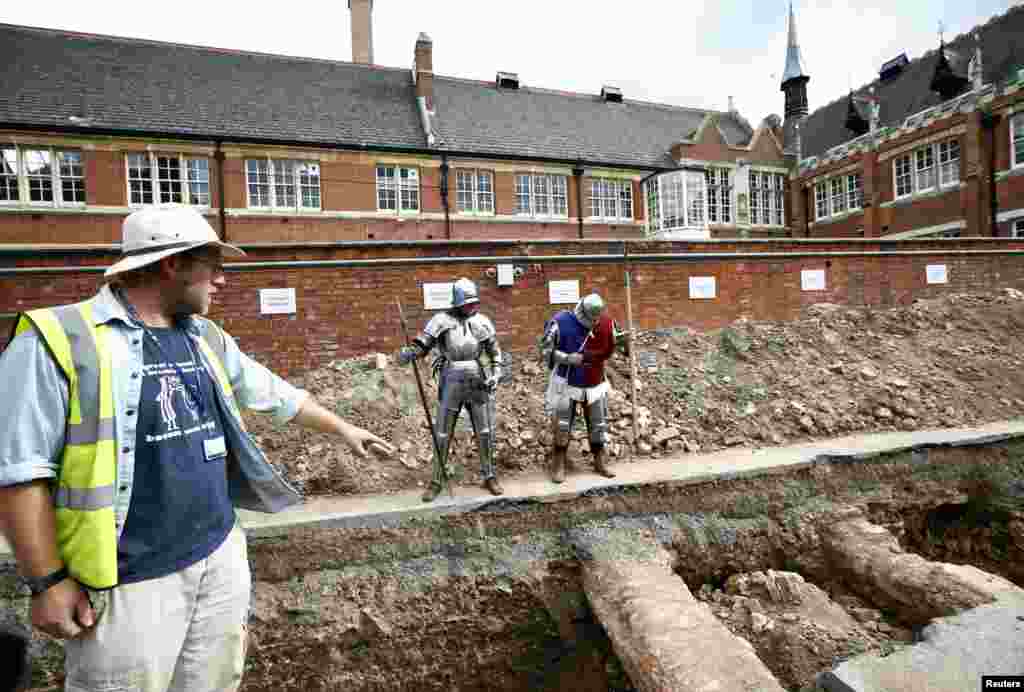
5/6Archaeologist Mathew Morris points to where he found skeleton remains during an archaelogical dig to find the remains of King Richard III in Leicester, central England, September 12, 2012.
Scientists say 500-year-old remains found under a parking lot in the city of Leicester are those of England's King Richard III.
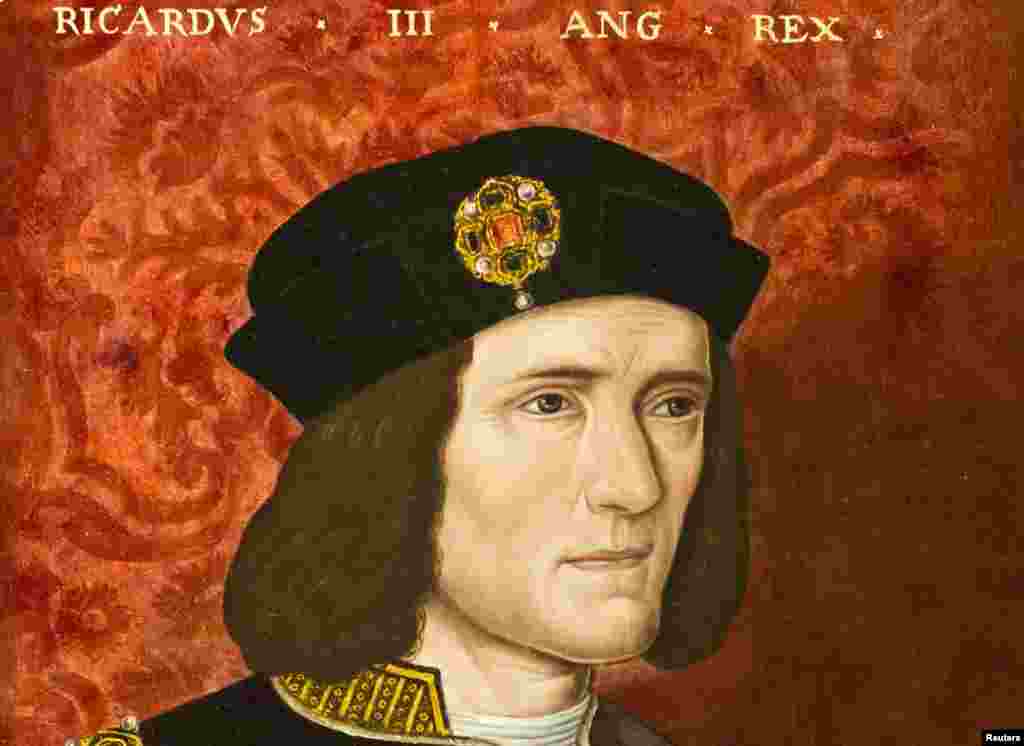
6/6A painting of King Richard III by an unknown artist from the 16th Century is seen at the National Portrait Gallery in London in an August 24, 2012 file photo.
Scientists say 500-year-old remains found under a parking lot in the city of Leicester are those of England's King Richard III.
Previous slide
Next slide
Remains of English King Richard III Identified
1/6A photo made available by the University of Leicester of the remains of England's King Richard III found underneath a car park last September at the Grey Friars excavation in Leicester, Britain.
Scientists say 500-year-old remains found under a parking lot in the city of Leicester are those of England's King Richard III.
2/6A facial reconstruction of King Richard III is displayed at a news conference in London, February 5, 2013.
Scientists say 500-year-old remains found under a parking lot in the city of Leicester are those of England's King Richard III.
3/6A photo made available by the University of Leicester of the skull found at the Grey Friars excavation in Leicester, Britain.
Scientists say 500-year-old remains found under a parking lot in the city of Leicester are those of England's King Richard III.
4/6A photo made available by the University of Leicester, England, of remains of England's King Richard III found underneath a car park last September at the Grey Friars excavation in Leicester, Britain.
Scientists say 500-year-old remains found under a parking lot in the city of Leicester are those of England's King Richard III.
5/6Archaeologist Mathew Morris points to where he found skeleton remains during an archaelogical dig to find the remains of King Richard III in Leicester, central England, September 12, 2012.
Scientists say 500-year-old remains found under a parking lot in the city of Leicester are those of England's King Richard III.
6/6A painting of King Richard III by an unknown artist from the 16th Century is seen at the National Portrait Gallery in London in an August 24, 2012 file photo.
Scientists say 500-year-old remains found under a parking lot in the city of Leicester are those of England's King Richard III.
The Voice of America provides news and information in more than 40 languages to an estimated weekly audience of over 326 million people. Stories with the VOA News byline are the work of multiple VOA journalists and may contain information from wire service reports.