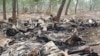



Last year, more than 448 rhinos were killed by poachers in South Africa. Around 240 of those were in Kruger National Park, South Africa's largest wildlife reserve. On Monday, staff at the park, including wildlife rangers, began a first full week of strikes in protest over their pay. With so many rangers off duty, there is concern that Kruger's dwindling rhino population is now more vulnerable to poachers than ever.
Kruger Park lies on South Africa's border with Mozambique. Extending over 19,000 square kilometers, it is home to 8,000 white rhino and 300 endangered black rhino.
Last Friday, around half of the park's 400 wildlife rangers - the guardians of Kruger's flora and fauna - began a strike over pay and terms offered by their employer, the government-run South African National Parks service (SANParks).
William Mabasa, SANParks' head of communications, says the dispute derives from staff demands for more equality in pay scales. He says negotiations are now deadlocked.
"We have no solution to the problem," said Mabasa. "Their notice says they are not going to come back to work until their demands are met. Well, we will not be able to meet a demand like that... Are you going to take a guy who has been working here for 20 years and pay him exactly the same as a guy working here for 12 months?"
While industrial action is not unusual in South Africa, the rangers point out that this strike means the world's largest population of rhino is no longer guarded by those best trained to protect the rare animals.
Up to five rhino a week are typically poached in Kruger, a number that has risen rapidly in the last few years. However, Mabasa insists that effective contingency plans are in place. Soldiers and police officers are now being deployed in the bush, and no rhino have been killed since the strike began.
"We would not have wished to have our rangers on strike. We are in the middle of a big fight with poachers in the bush. We are not going to win the war without them. We need them back," added Mabasa.
Horn from rhino killed by poachers in South Africa is sold for up to $20,000 a kilo by crime syndicates in China and Vietnam. But, protesting at Kruger's Phalaborwa gate, rangers like Olva Sanderson say they struggle to make ends meet on a salary of around $400 a month.
"I have four children," said Sanderson. "I need Kruger National Park to increase my salary, because I am earning 'peanuts.'"
Her colleague, Rasba Khosa, points out that their job is a dangerous one.
"The poachers are there to fight," said Khosa. "If they see you first, they are going to shoot you. These people must give us money so we can protect the rhinos - you are not going to protect animals if they don't give you enough salary."
The strikers say they will not give up their action until their pay demands are met, and they expect more staff in other national parks to join the action.
Their determination seems clear. Less certain is the effect the standoff between SANParks and its rangers will have on the nation's already vulnerable rhino population.
Rhinos Threatened by SAF Ranger Strike