Russia warned Western countries against imposing more sanctions on Moscow, saying such threats show the West is opposed to following through on a truce for eastern Ukraine.
Both the United States and some leaders in Europe have threatened to impose tougher sanctions against Moscow if it does not stop supporting pro-Russian separatists in eastern Ukraine.
Russian Foreign Minister Sergei Lavrov on Thursday called those threats an attempt to "deflect attention" from the need to follow through on the terms of a cease-fire, which has only recently begun to take hold.
"Behind these calls are hidden the lack of desire of these actors - the corresponding countries, organizations, the United States, the European Union - to achieve what was laid out in the Minsk agreements," Lavrov said at a news conference.
Weapons withdrawal
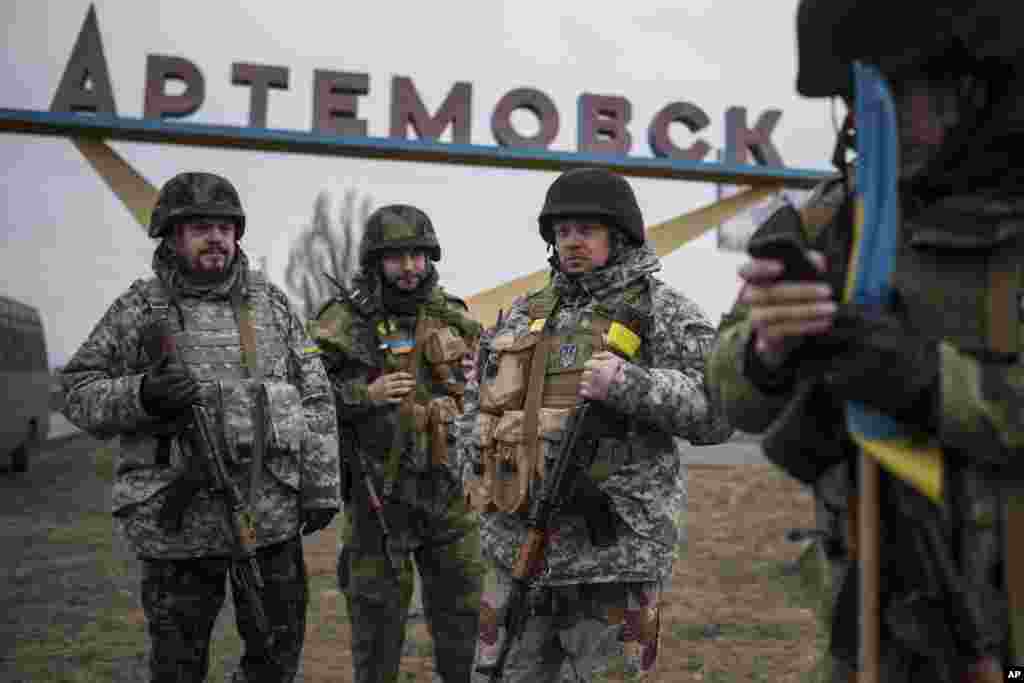
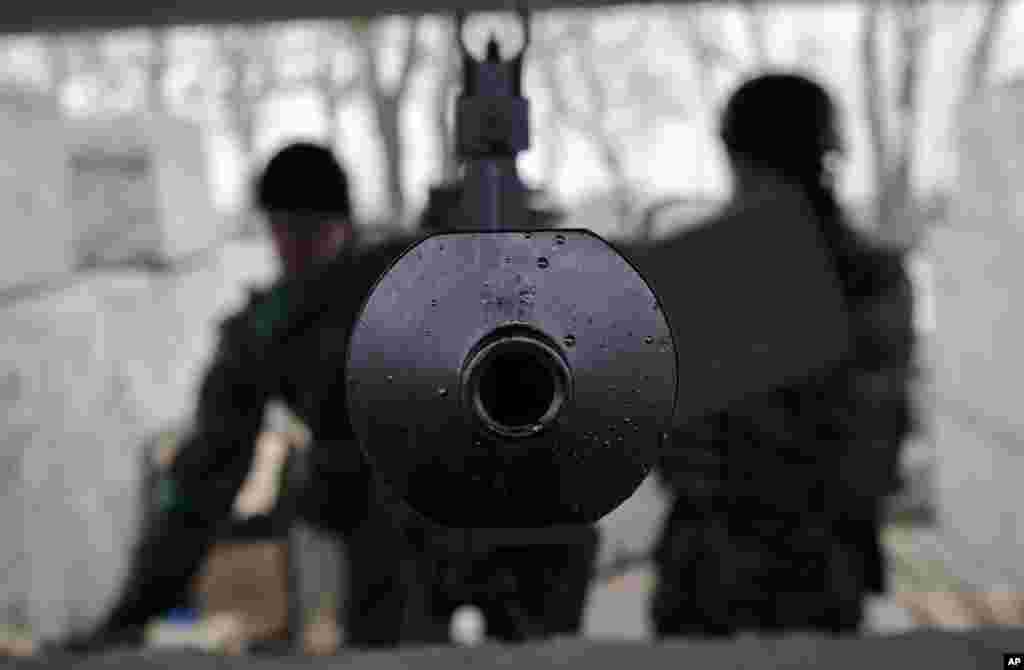
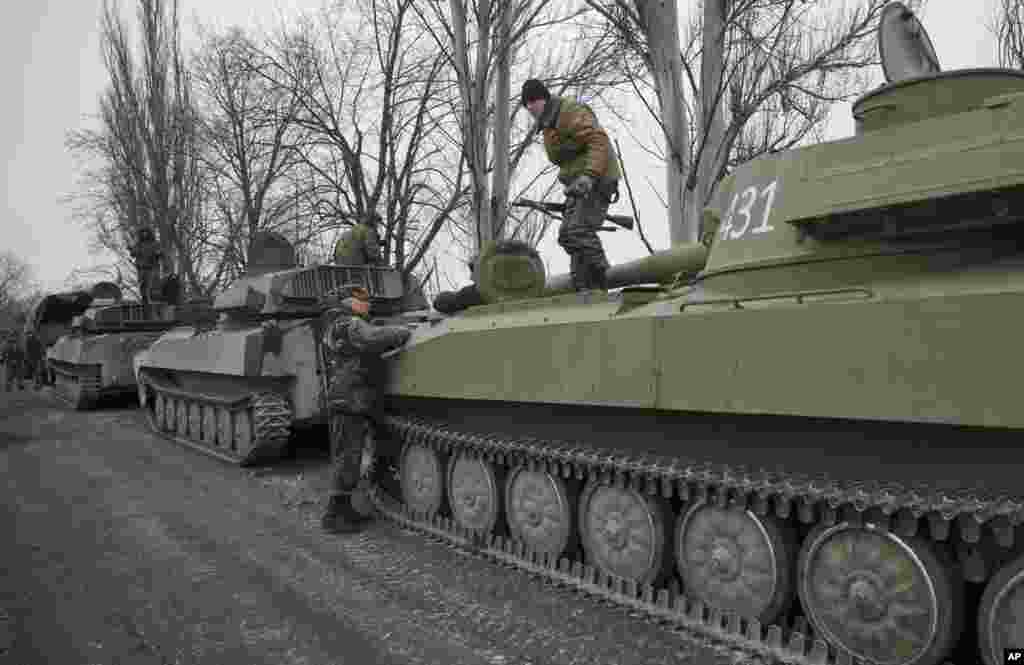
Also on Thursday, Ukrainian troops have begun withdrawing artillery from a frontline eastern village near the devastated town of Debaltseve, under the watchful eye of European monitors overseeing a cease-fire deal reached earlier this month.
Military officials on Thursday showed reporters from the Reuters news agency trucks towing 100-millimeter guns from the village of Paraskoviyvka, as Kyiv acknowledged a marked reduction in rebel attacks in the past three days.
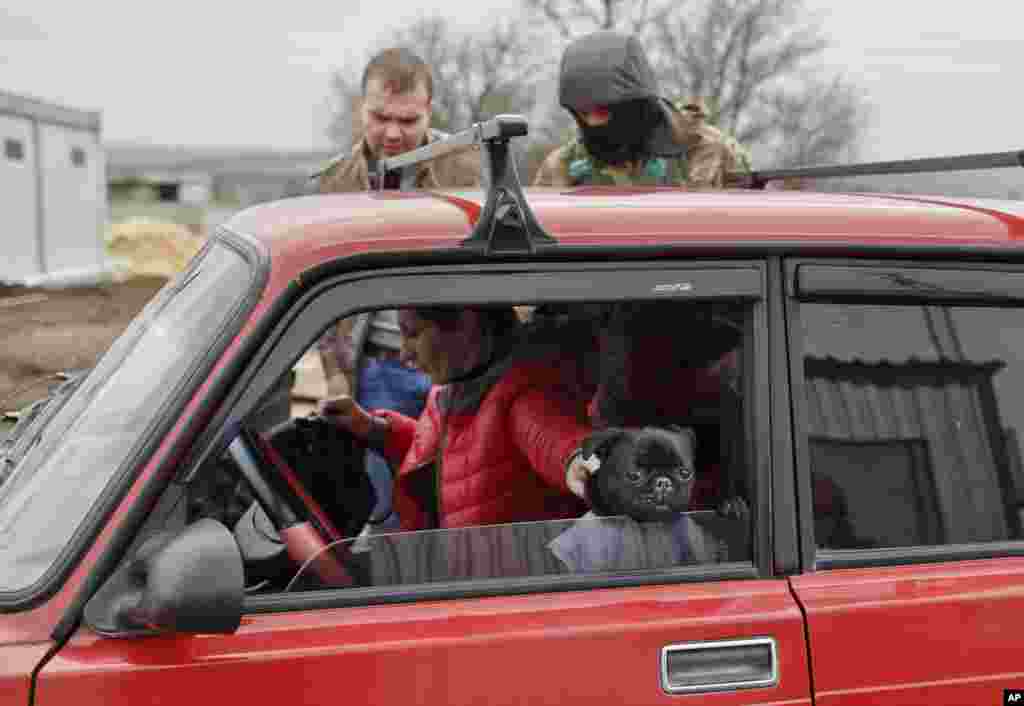
For a second straight day on Thursday, Ukraine's military officials reported no combat fatalities in the regions near the Russian border, boosting prospects that an internationally brokered truce reached February 12 will hold. Kyiv authorities, however, said its withdrawal timetable could be adjusted if army positions are attacked.
Poroshenko: Heavy Weapons to Return to Front Lines if Truce Breached

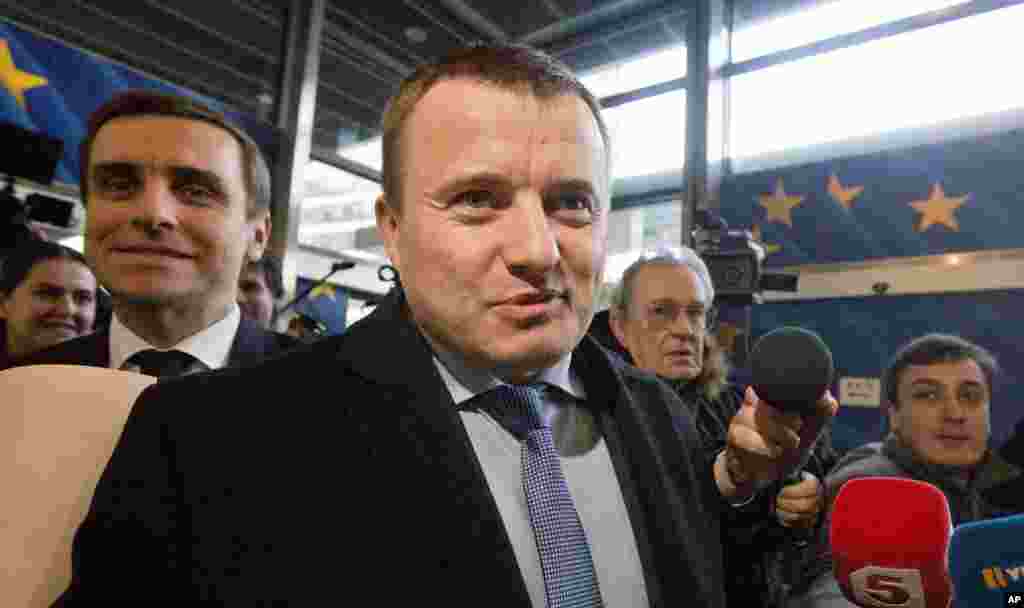




Meanwhile, Russian gas giant Gazprom said Thursday it would exempt gas supplies to rebel-held areas in eastern Ukraine from its main contract with Ukrainian Naftogaz.
On Wednesday, Russian President Vladimir Putin and Gazprom CEO Alexei Mille both said Russia would stop exporting natural gas to Ukraine unless it received prepayment from Kyiv for energy supplies.
Gazprom spokesman Sergei Kupriyanov told the Rossiya-24 TV channel Ukraine had prepaid for Russian gas until the end of the week.
Putin also said that Gazprom was ready to cut off gas supplies to Kyiv, which could disrupt deliveries to Europe, which gets about 40 percent of its natural gas from Russia via Ukraine.
Cease-fire to be respected
NATO Secretary-General Jens Stoltenberg said Thursday that he welcomed "the recent indications of reduced fighting in Ukraine" and hoped the cease-fire "now is finally going to be respected."
However, he said Russia must stop supporting the separatists in eastern Ukraine, saying that in recent months it has transferred "over 1,000 pieces of equipment -- tanks, artillery and advanced air defense systems" into rebel-held territory in Ukraine.
At his news conference Thursday, Lavrov accused the West of putting forward "ridiculous" demands. "Everyone understands perfectly well that there are no ideal truces and ideal cease-fires," he said.
The war of words between Russian and Western officials has intensified over the past week, with U.S. Secretary of State John Kerry accusing Moscow of engaging in "the most overt and extensive propaganda exercise that I've seen since the very height of the Cold War."
The U.S. and its European allies accuse Russia of sending arms and fighters across the border to assist the rebels. Russia denies this accusation, saying the fighters are volunteers.
White House officials say they are still considering arming the Ukrainian army, which has at times been outgunned by the separatists.