Solar-Powered Plane's Trip Boosts Solar Energy Cause
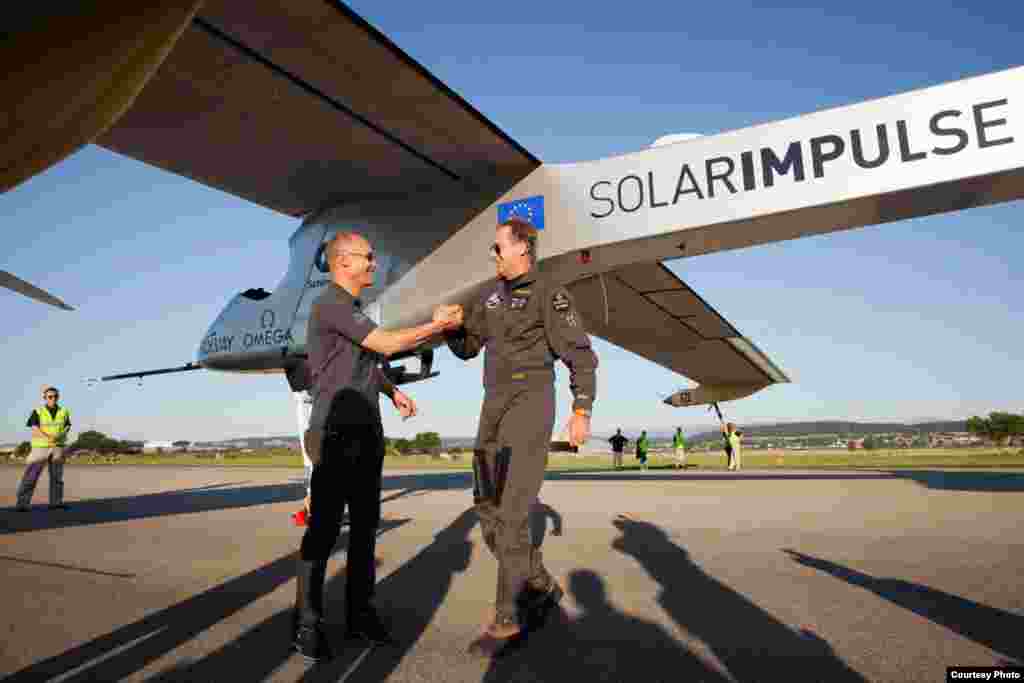
The Solar Impulse plane's project president and pilot, Bertrand Piccard (L) celebrates with co-founder and CEO Andre Borschberg (R) and Moroccan Agency for Solar Energy (MASEN) CEO Mustapha Bakkoury after the plane landed following a 19-hour flight from M
Morocco on Wednesday was celebrating the world's first intercontinental flight by a manned aircraft operating without liquid fuel after the plane landed in Rabat on a journey from Spain.
The Solar Impulse plane completed the 830 kilometer trip late Tuesday, landing at Rabat's international airport after taking off from Madrid 19 hours earlier.
The plane's lone pilot, Swiss adventurer Bertrand Piccard, smiled as he emerged from the small cockpit to be greeted by members of his team and Moroccan authorities. He said the plane's crossing of the Gibraltar strait separating Europe and Africa was a "magical moment" that represents one of the "highlights" of his career.
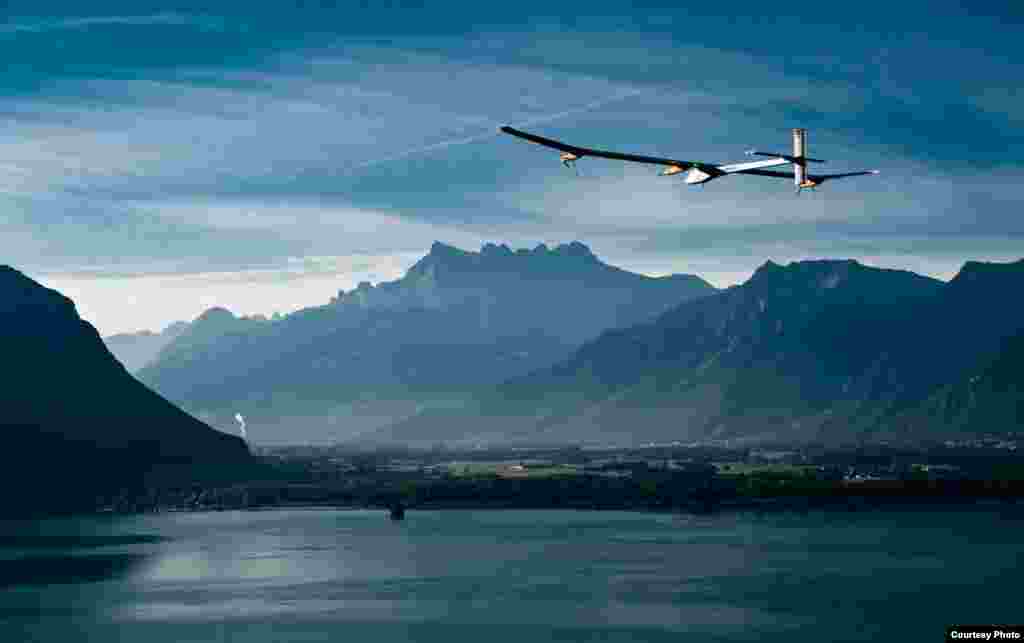
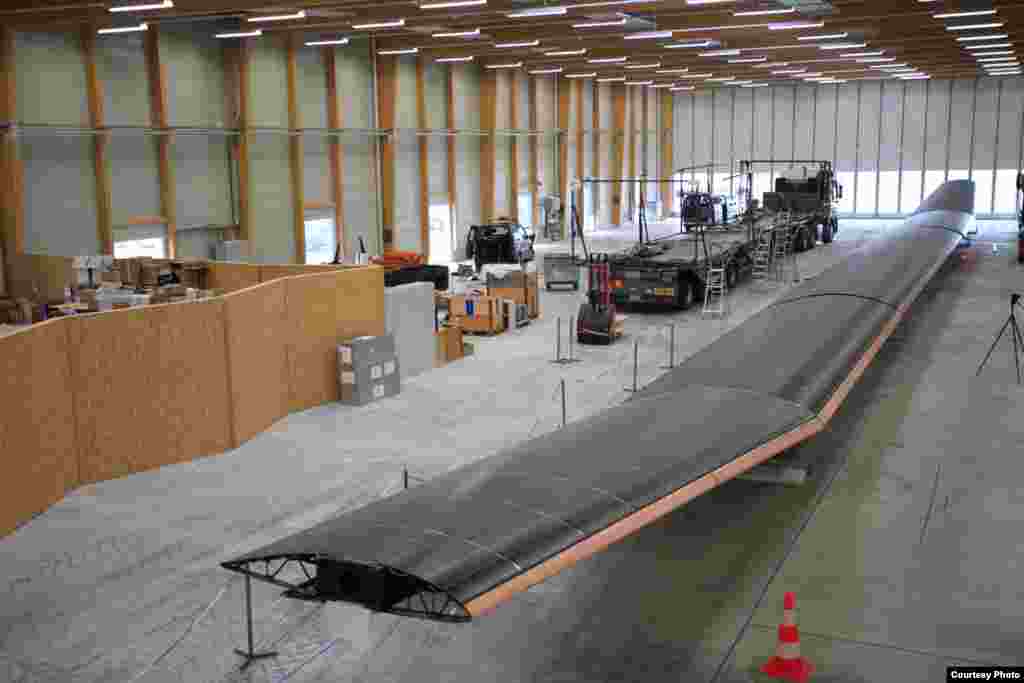
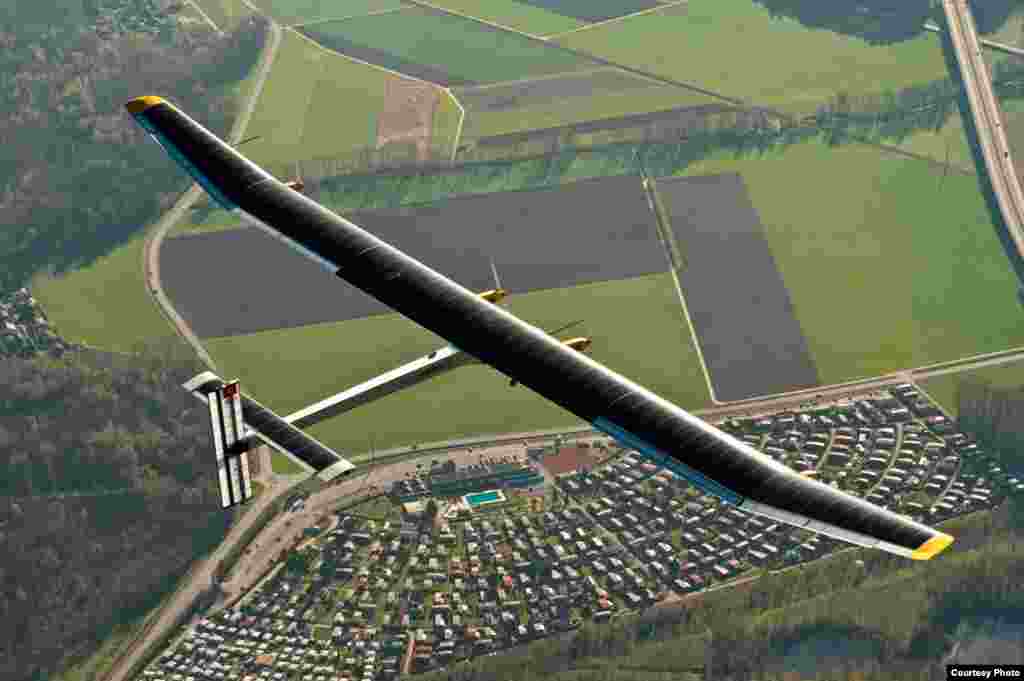
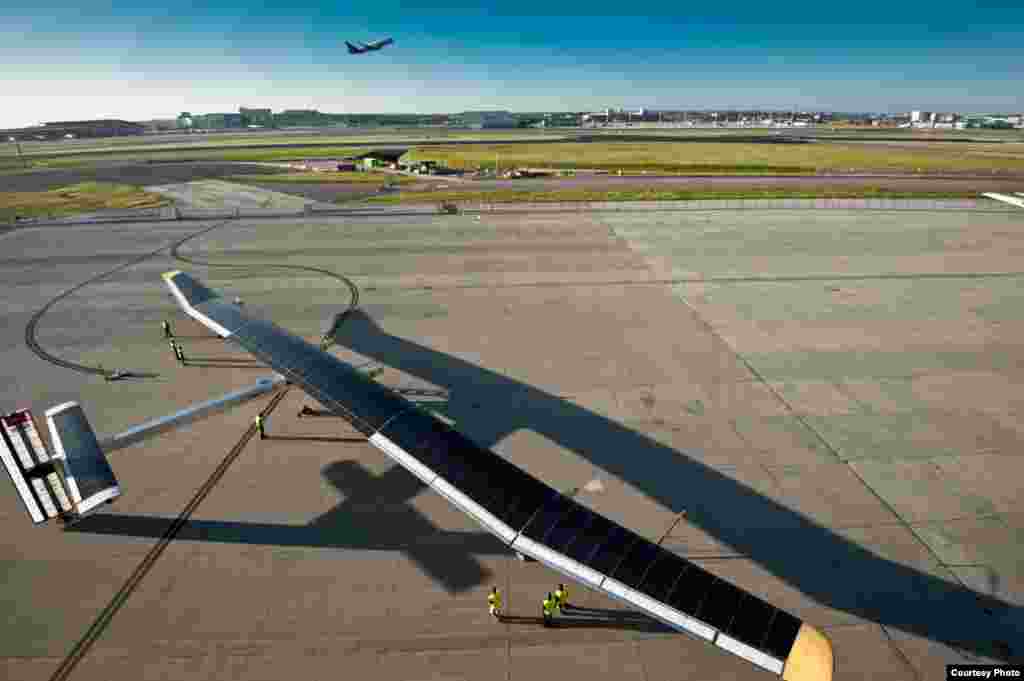
Solar Impulse has a 63-meter wingspan covered by 12,000 solar cells connected to a set of electrical motors that power the aircraft. Despite its size, the single-pilot plane weighs only about as much as an average family car.
Solar Impulse Flies From Madrid to Morocco
1/13Solar Impulse in flight over Switzerland, 2010. (Jean Revillard/Rezo.ch)
Morocco celebrated the world's first intercontinental flight by a manned aircraft operating without liquid fuel, after the plane flew from Spain.
Show moreShow less
2/13Bertrand Piccard & his co-pilot André Borschberg, July 2011. (Photo: Laurent Kaeser)
Morocco celebrated the world's first intercontinental flight by a manned aircraft operating without liquid fuel, after the plane flew from Spain.
Show moreShow less
3/13Wing assembly on Solar Impulse, 2010. (Photo: Stéphane Gros)
Morocco celebrated the world's first intercontinental flight by a manned aircraft operating without liquid fuel, after the plane flew from Spain.
Show moreShow less
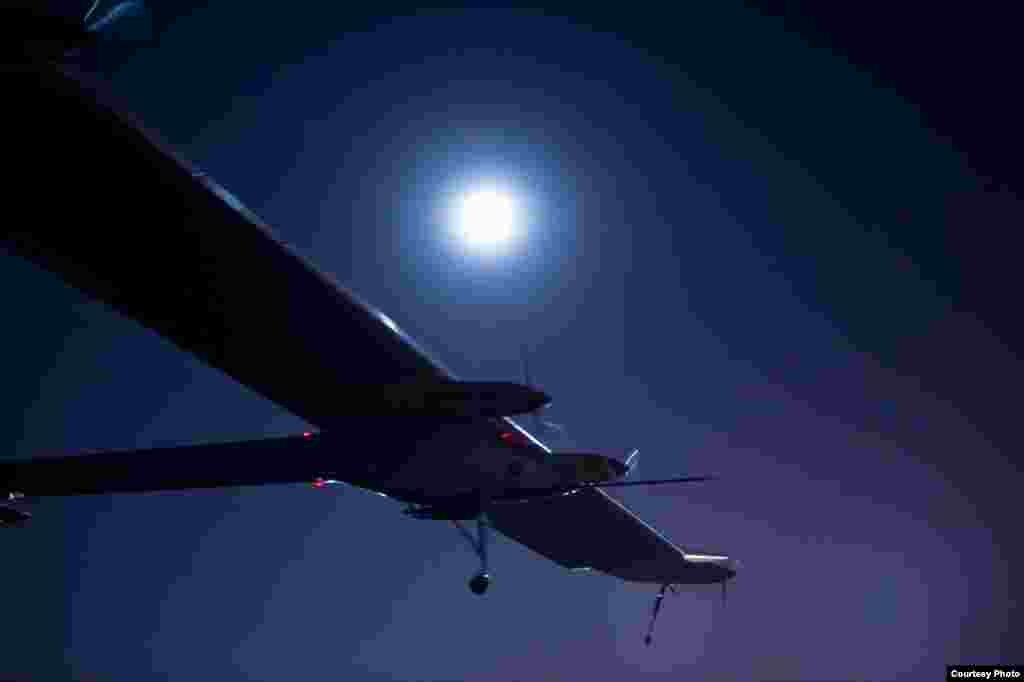
4/13Solar Impulse in flight over Switzerland, 2011. (Jean Revillard/Rezo.ch)
Morocco celebrated the world's first intercontinental flight by a manned aircraft operating without liquid fuel, after the plane flew from Spain.
Show moreShow less
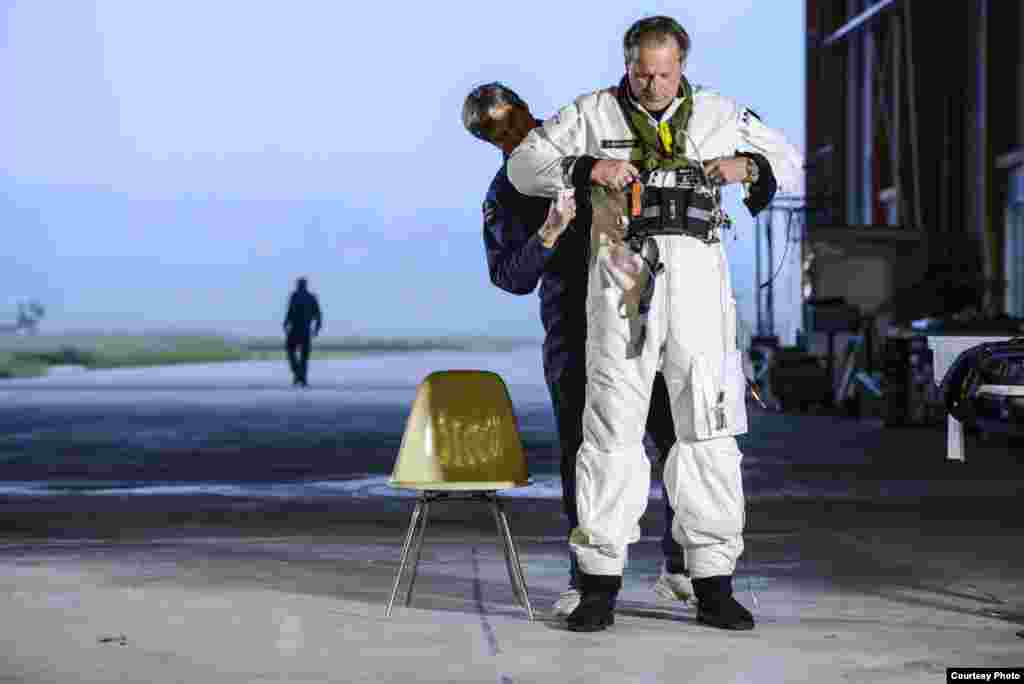
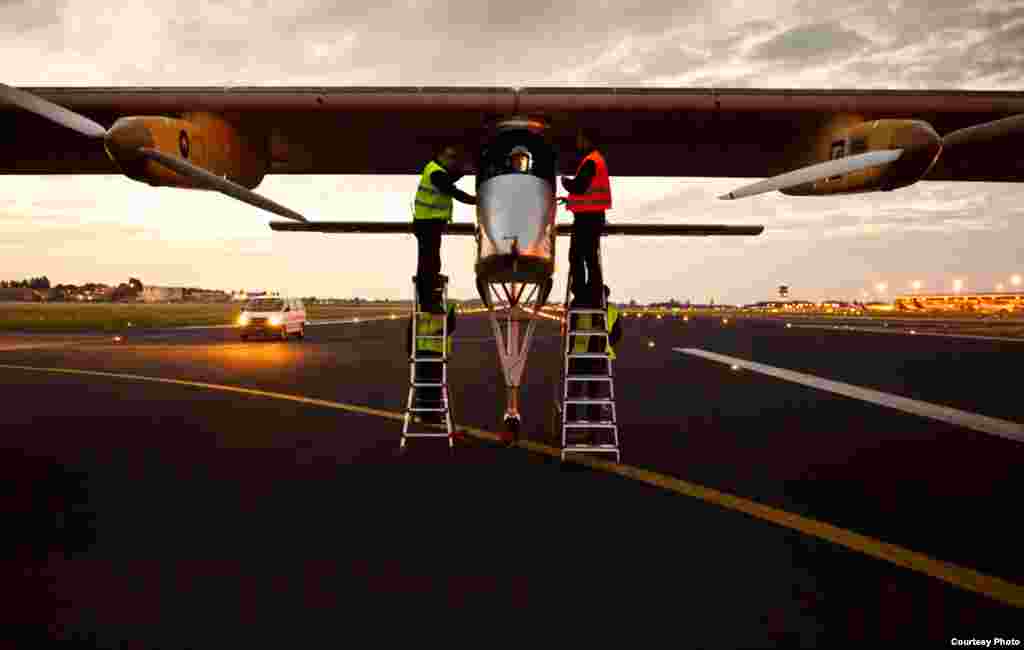
5/13Pilot preparation before the Crossing Frontiers flight to Morocco, May 24, 2012. (Jean Revillard/Rezo.ch)
Morocco celebrated the world's first intercontinental flight by a manned aircraft operating without liquid fuel, after the plane flew from Spain.
Show moreShow less
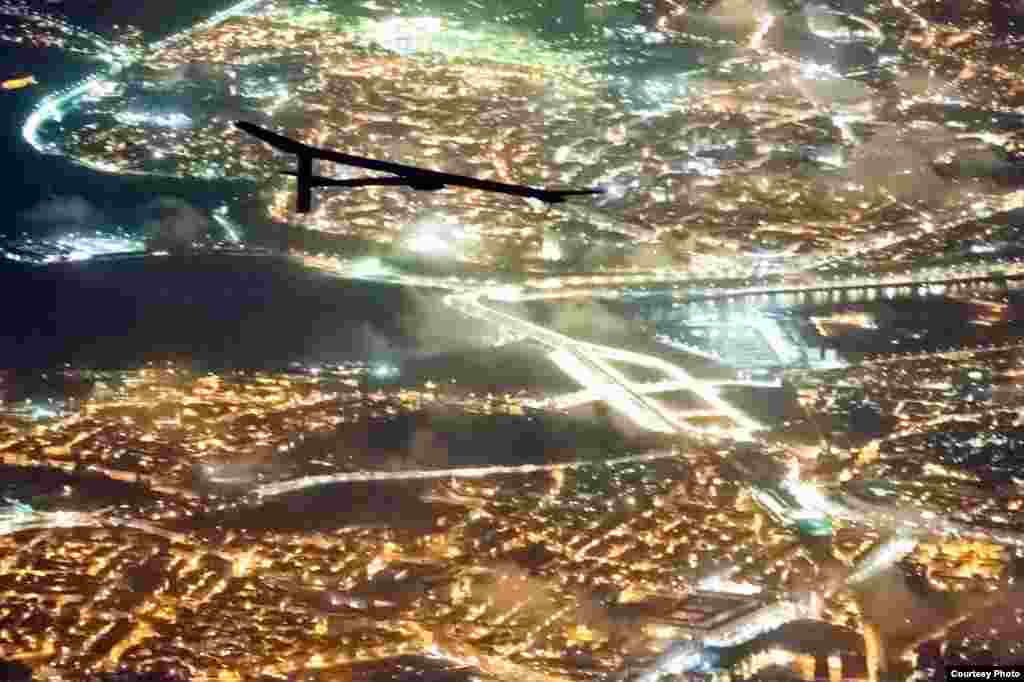
6/13Crossing Frontiers -- Flying over Rabat-Salé, Morocco, June 5, 2012. (Jean Revillard/Rezo.ch)
Morocco celebrated the world's first intercontinental flight by a manned aircraft operating without liquid fuel, after the plane flew from Spain.
Show moreShow less
7/13Crossing Frontiers – Taking off from Madrid, June 5, 2012. (Jean Revillard/Rezo.ch)
Morocco celebrated the world's first intercontinental flight by a manned aircraft operating without liquid fuel, after the plane flew from Spain.
Show moreShow less
8/13Bertrand Piccard flying with Solar Impulse in 2011. (Jean Revillard/Rezo.ch)
Morocco celebrated the world's first intercontinental flight by a manned aircraft operating without liquid fuel, after the plane flew from Spain.
Show moreShow less
9/13Adjusting the cockpit, 2011. (Jean Revillard/Rezo.ch)
Morocco celebrated the world's first intercontinental flight by a manned aircraft operating without liquid fuel, after the plane flew from Spain.
Show moreShow less
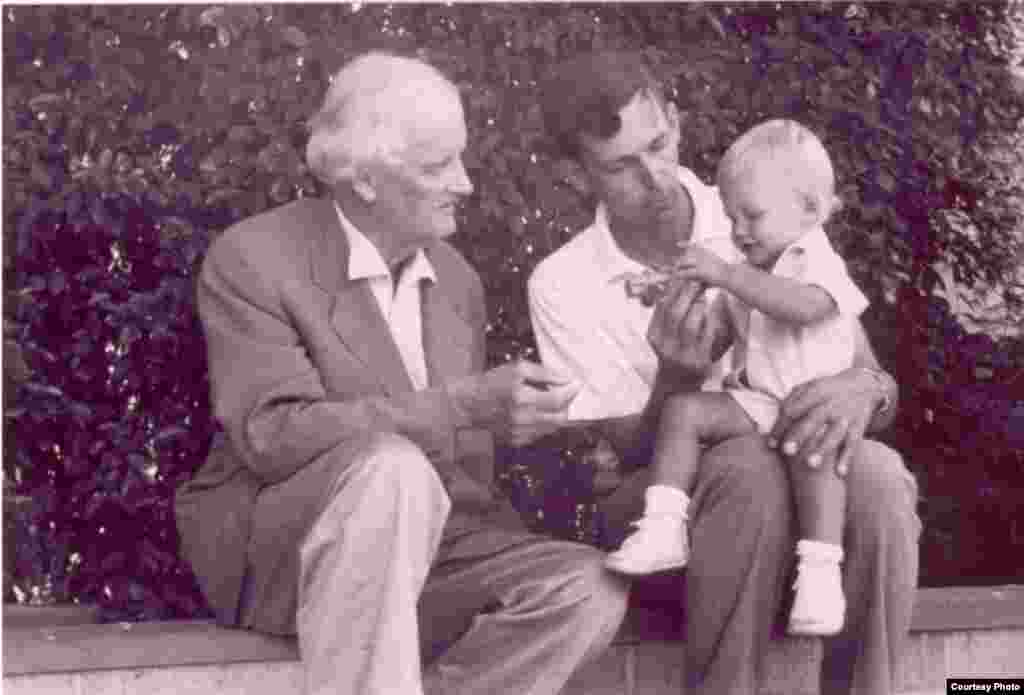
10/13Bertrand, Augustus and Jacques Piccard: Three generations with a passion for exploration, adventure and scientific development.
Morocco celebrated the world's first intercontinental flight by a manned aircraft operating without liquid fuel, after the plane flew from Spain.
Show moreShow less
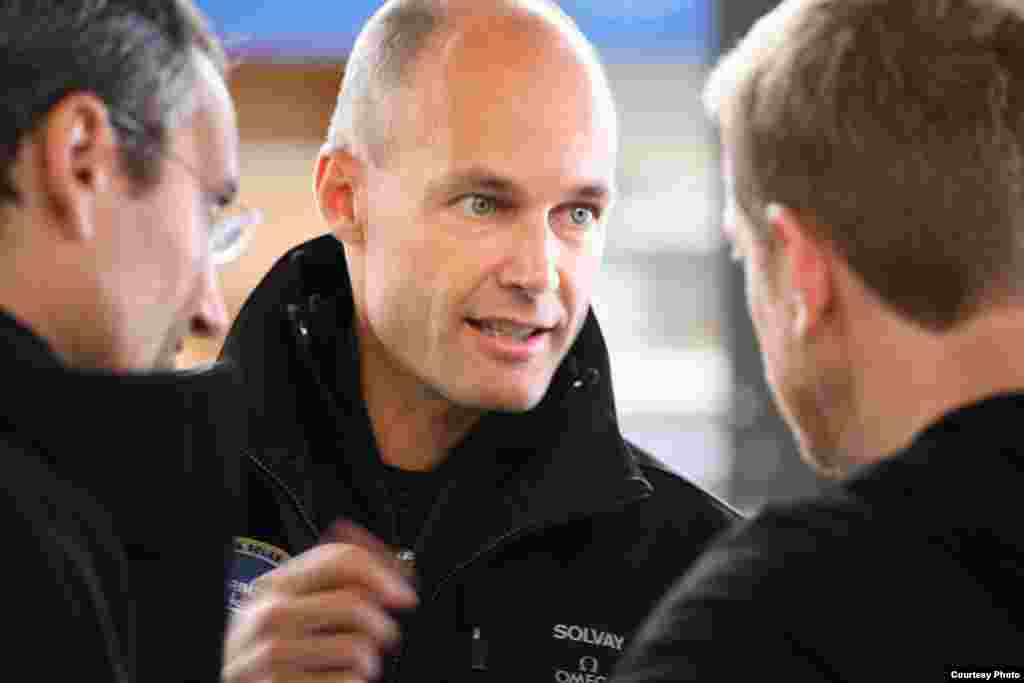
11/13Bertrand Piccard, November 2007.
Morocco celebrated the world's first intercontinental flight by a manned aircraft operating without liquid fuel, after the plane flew from Spain.
Show moreShow less
12/13On the ground at Brussels airport, 2011. (Jean Revillard/Rezo.ch)
Morocco celebrated the world's first intercontinental flight by a manned aircraft operating without liquid fuel, after the plane flew from Spain.
Show moreShow less
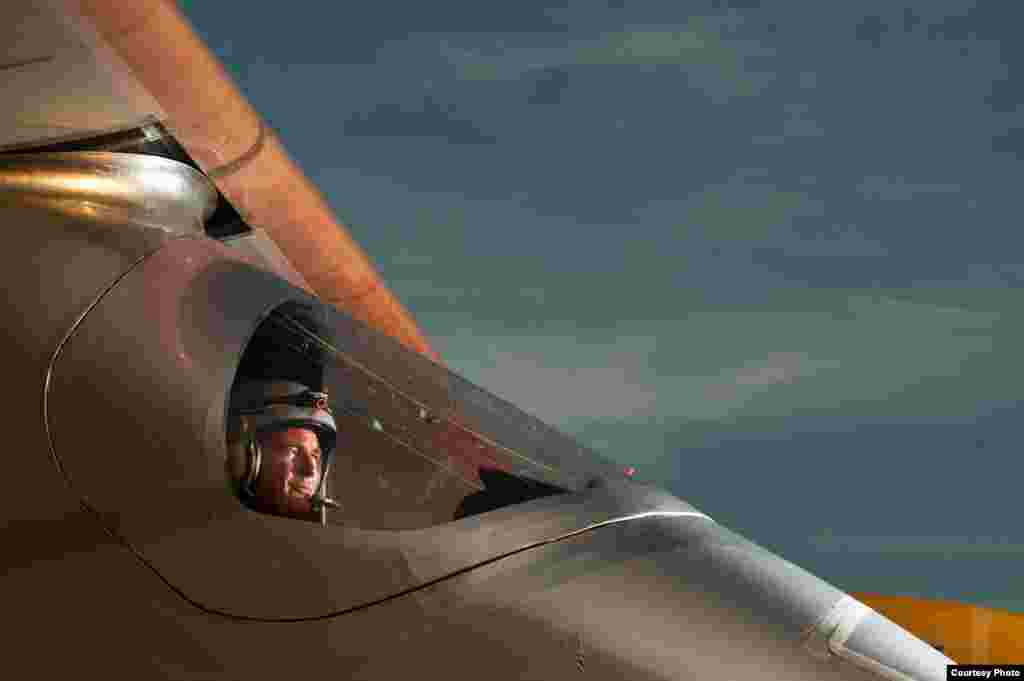
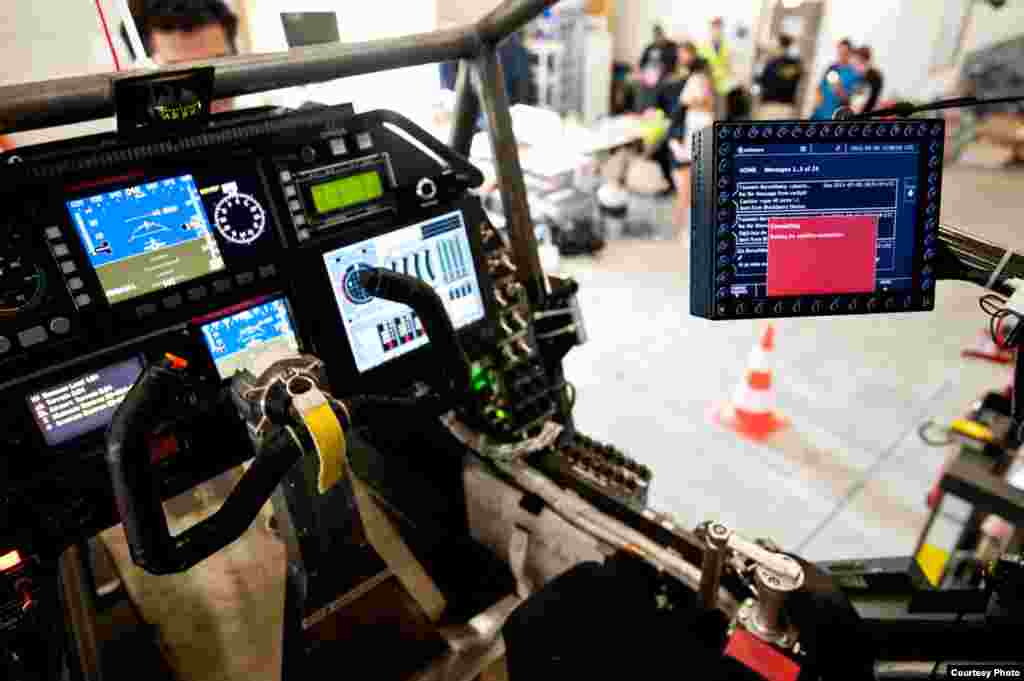
13/13Inside the cockpit of Solar Impulse. (Jean Revillard/Rezo.ch)
Morocco celebrated the world's first intercontinental flight by a manned aircraft operating without liquid fuel, after the plane flew from Spain.
Show moreShow less
Previous slide
Next slide
Morocco's role
Organizers chose Morocco as the destination for the unprecedented flight to highlight the North African nation's plan to build the world's largest solar power plant. The head of the Moroccan Agency for Solar Energy, Mustafa Bakkoury, welcomed Piccard at the airport and said Morocco supports the pilot's message about the importance of renewable energy.
"Solar energy is no longer restricted to the scientific world but is becoming an (integral) part of daily life," Bakkoury said.
He said Morocco plans to start building the solar power plant in the south-central city of Ouarzazate in 2014. The plant is part of a Moroccan effort to reduce the nation's dependence on fossil fuels and produce 2,000 megawatts of solar energy by 2020.
Speaking to VOA as he flew over Spain, Piccard urged other nations to follow Morocco's example.
"Morocco is investing massively to make the biggest solar power plant in the world to make them much more independent from fossil energy," he said. "This is very important for the commercial balance of a country like Morocco."
"There are so many countries that could reduce their consumption of fossil energy and create their own energy sources with the sun, with the wind, with biomass. And this is a way to increase the purchasing power and the wealth of the country," he added.
Changing perceptions
Piccard also said his goal is to try to change public perceptions about renewable energy sources.
"With these new technologies and solar energy, we can fly with no fuel, and the same technologies would basically be used also for cars, for houses, for air conditioning," he said. "And this is really what we want to promote - not just for airplanes, but also on the ground for daily life for everybody," he said.
Solar Impulse's flight also was a trial run for a much longer round-the-world flight scheduled in 2014. Piccard said his team is preparing for that attempt by building a second, larger plane with watertight wings that can fly in rainy conditions for five to six days in a row without landing.
The team's current aircraft made history in 2010 as the first manned plane to fly for 24 hours using only the sun's energy.