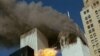



Nearly 3,000 people died in the terrorist attack on the World Trade Center in New York on September 11, 2001. But the twin towers' collapse and their smoldering ruins also exposed thousands of rescuers, firefighters and cleanup crews to toxic ash and smoke. Ten years later, medical researchers say many of these people are suffering higher-than-normal rates of serious disease and psychological problems.
When the World Trade Center towers collapsed into the neighborhood below on September 11, 2001, roiling clouds of smoke and dust filled the air with toxic chemicals. New York City's police and firefighters ran into those toxic clouds to save whomever they could.
Now, studies show that large numbers of these rescuers and cleanup workers are likely to suffer illnesses related to their 9/11 experience for the rest of their lives.
Dr. Michael Crane, who heads the World Trade Center Health Program at Mount Sinai Hospital in New York, says some 20,000 September 11 responders have been treated in the program. Dr. Crane contributed to a study published in the medical journal Lancet on the 9/11 health problems.
"Asthma, from the irritation of the bronchial tubes, rhinitis, the inflammation of the nose, laryngitis, sinusitis, the fever and face pain and the nasal stuffiness that it brings," said Crane. "All of these are now chronic."
Ken George was a recovery worker who spent 700 hours in the dust and debris with fellow responders.
"Every morning I wake up I've got to take 33 pills within the course of the day," said George. "At 47-years-old I have lungs of an 80-year-old man that would have been a smoker. People say you have to forget about 9/11 and I say, 'How could I forget about 9/11 when every morning I got to take this medication and walk around with an oxygen tank?'"
Doctors at Mount Sinai Hospital also noticed that a lot of the responders suffered from post-traumatic stress disorder, depression and extreme anxiety.
"Our population has a similar rate of these symptoms to people who've been in recent wars," added Crane.
Another study links exposure to the toxins with cancer.
"Our findings show that there is an increased cancer [risk] in the World Trade Center exposed New York City firefighters," said Dr. David Prezant of Einstein College of Medicine. "We found an increase of 19 percent in the cancer likelihood."
The cancer study has lasted only seven years, a short time when cancers can take up to 20 years to develop. Dr. Prezant wants more of those exposed to the toxins from the twin towers to be screened for cancer.
"We can never take back that 9-11 exposure and so we need to have an aggressive screening program," he said.
The doctors also say they expect more of those who were at the World Trade Center site to become ill as time goes on. And, they suspect that the cancer rate will remain higher-than-average among this group over the next ten years.