More transparency is needed over Sudan oil revenues, according to the environmental rights group Global Witness. The distribution of resources in Sudan is a hot issue as the country prepares for a referendum on dividing the country between north and south.
A peace deal made in 2005 splits Sudan’s oil revenues between the north and south, but that wealth-sharing pact is due to expire following this month’s referendum.
Southerners begin voting January 9 on whether to secede from northern Sudan, and polls suggest independence will follow.
Why transparency is important
Rosie Sharpe from Global Witness says when a new deal is made, it needs to be more transparent than the outgoing arrangement.
"No one for sure can know exactly how much oil Sudan produces at the moment,” Sharpe said. “And in order for any new oil deal between the north and south to be able to stand the tests of time, which could have disastrous consequences for the country, that issue needs to be cleared up going forward."
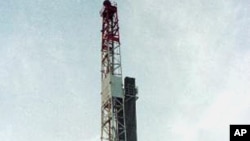
The Global Witness report says oil figures published by the Sudanese government are different from those put out by the country’s largest oil extraction operation, the China National Petroleum Corporation.
Number gap
The oil production figures reported by the Chinese corporation are between 9 - 25 percent higher than the figures reported by the government in the north.
The Sudanese government told Global Witness the gap in the figures is due to the fact the China National Petroleum Corporation says it reports its figures before water has been extracted from the oil and some oil is also lost in transit.
Division of wealth
Three-quarters of Sudan’s oil is in the south of the country. But as Sharpe explains, dividing oil wealth will not be clear cut even if the south does secede.
"If south Sudan were to become independent, as all the polls suggest is likely, southern Sudan would be landlocked and the only way, at least for the next few years, that it would be able to export its oil would be through oil pipelines that run through the north of the country to the Red Sea coast and in a way that means that both north and south will have to cooperate if their oil is to be exported," Sharpe added.
Quest for peace
East Africa researcher Justin Willis of Britain’s Durham University says bringing more transparency to Sudan’s oil sector will be crucial to ensuring peace and stability in the country.
"This is an area which is absolutely shrouded in mystery,” said Willis. “There are complicated special deals involving the output from each of the fields; it is very difficult to know how much money is being paid per barrel, where exactly the money is going. Unsurprisingly there has been a lot of suspicion in Juba that they are not getting what they are supposed to get and this really is a very major issue for the future. If there is not transparency there cannot possibly be any trust over this."
Global Witness says in the future a transparent deal should see oil figures regularly published, independent monitors, audits, and a dispute resolution mechanism put in place.