Syrian Foreign Ministry Spokesman Defects; UN Pulls Staff
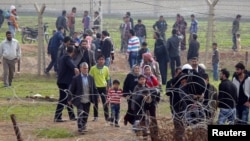
Syrians cross the border from Ras al-Ain to the Turkish border town of Ceylanpinar after an air strike by Syrian government forces, December 3, 2012.
Syria's foreign ministry spokesman reportedly has resigned from President Bashar al-Assad's government, while the United Nations says it is pulling its "non-essential international staff" from the country due to the worsening security situation.
Diplomatic and opposition sources say Jihad Makdissi quit and left Syria. As spokesman, he staunchly defended Assad's crackdown on the 20-month anti-government uprising. But news agency reports say Makdissi, a member of Syria's Christian minority, had been criticized recently by others in the government for some of his media appearances.
In a separate development, U.N. humanitarian officials said a quarter of the 100 foreign staff working for their agencies in Syria could leave this week and the United Nations is restricting remaining aid workers to the capital.
The Latest Images from Syria
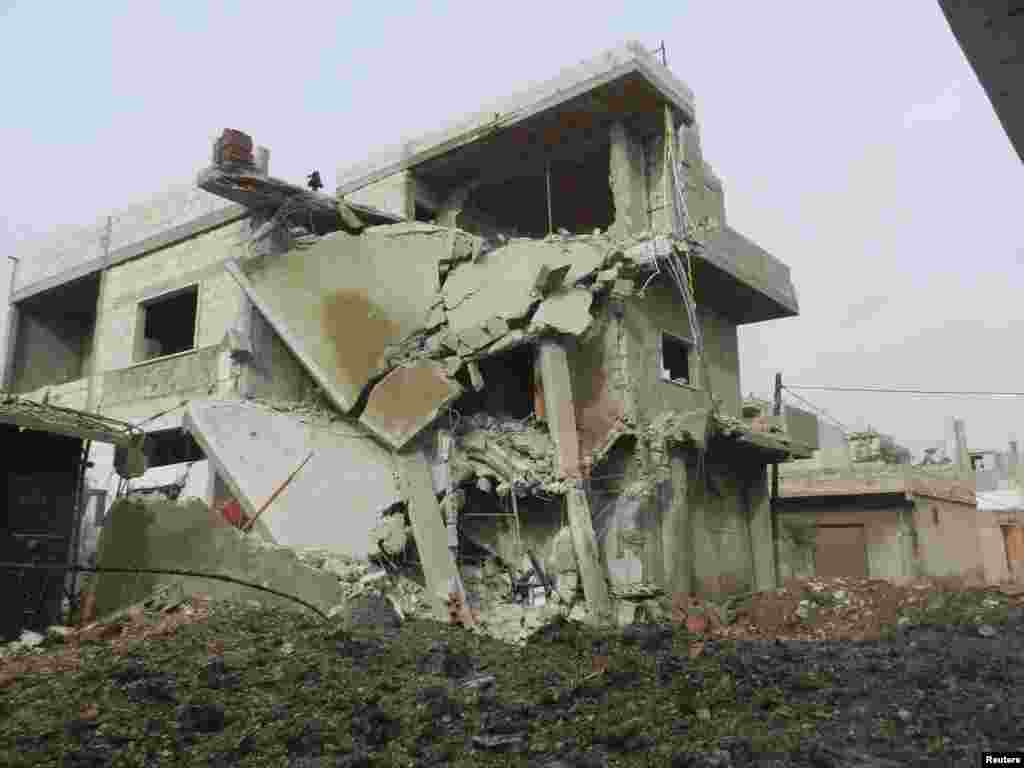
1/10Damaged buildings along a street in the al-Khalidiya neighborhood of Homs, December 5, 2012.
Show moreShow less
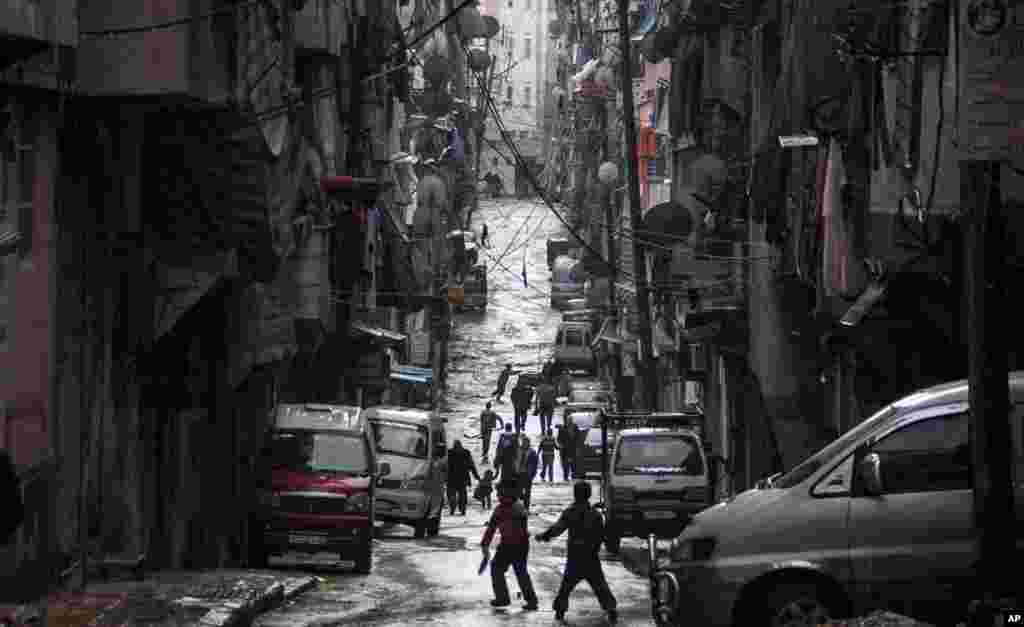
2/10Syrians walk past damaged homes during heavy fighting between Free Syrian Army fighters and government forces in Aleppo, Syria, December 4, 2012.
Show moreShow less
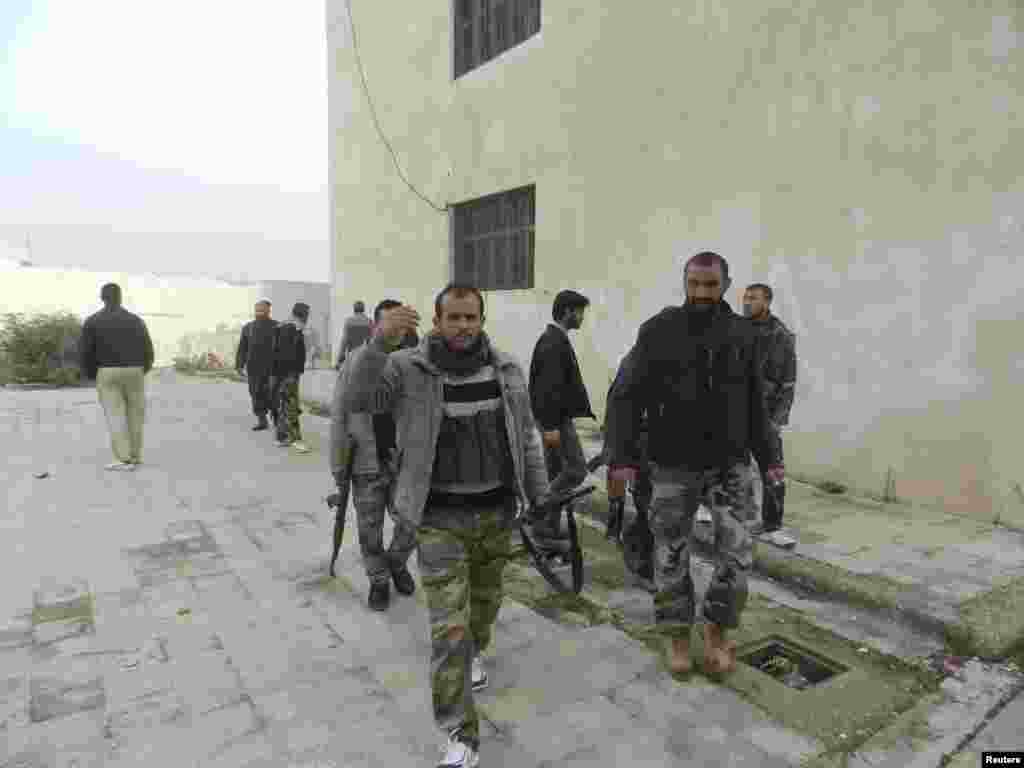
3/10Free Syrian Army fighters with weapons stand guard at the frontline against forces loyal to Syrian President Bashar al-Assad in the Al-khalidiya neighborhood of Homs, December 4, 2012.
Show moreShow less
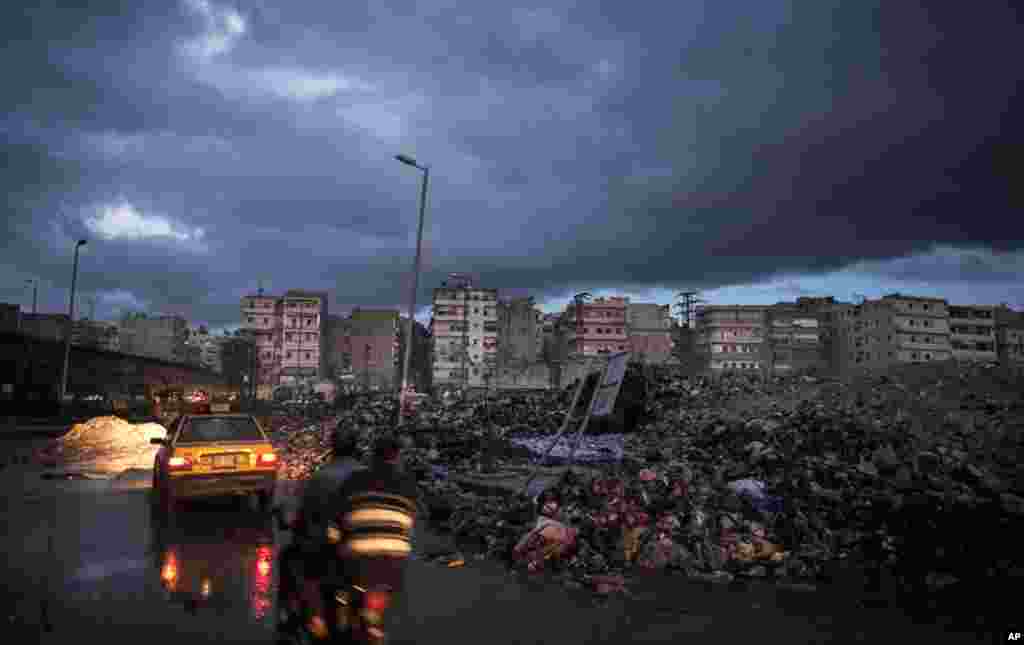
4/10Buildings in Aleppo, Syria, December 4, 2012.
Show moreShow less
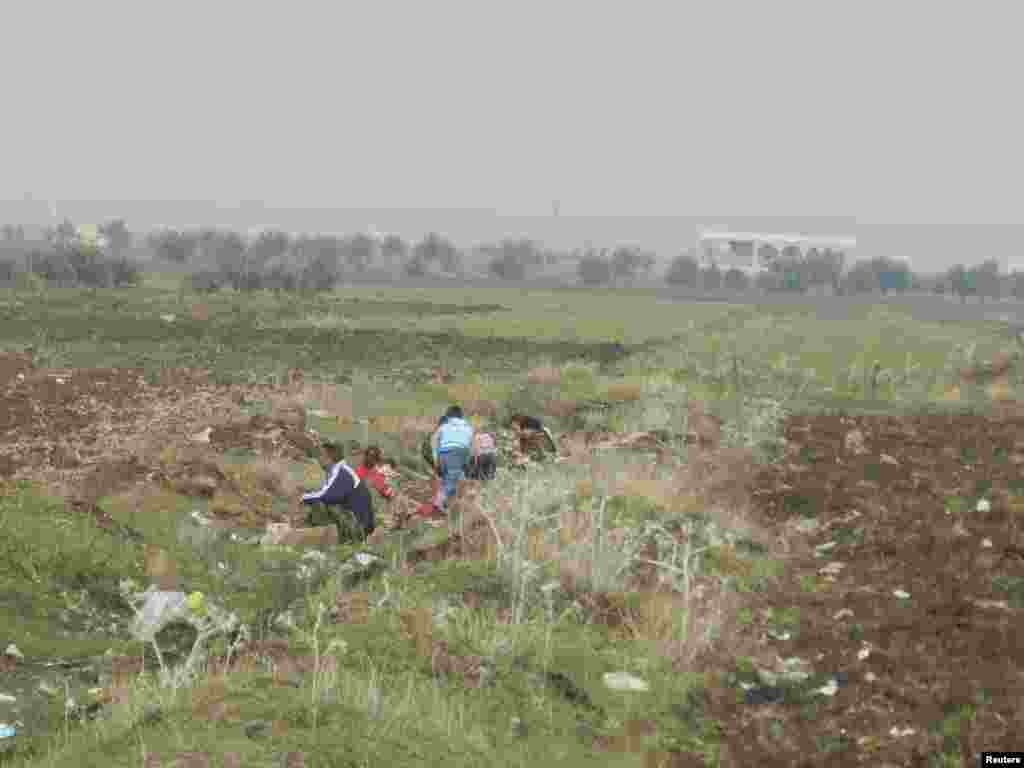
5/10Syrians cross the border from the town of Ras al-Ain to the Turkish border town of Ceylanpinar, December 4, 2012.
Show moreShow less
6/10Buildings damaged after a Syrian Air Force fighter jet fired missiles at Houla, near Homs, December 3, 2012.
Show moreShow less
7/10Free Syrian Army fighters are seen at Houla, near Homs, December 3, 2012.
Show moreShow less
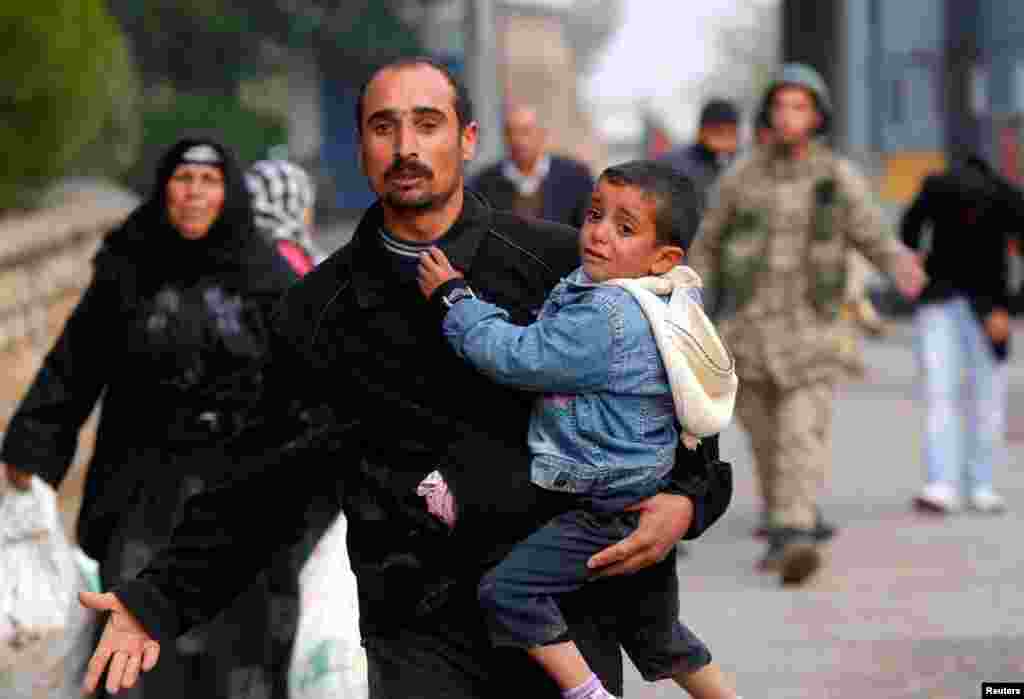
8/10Residents flee their homes after shelling by forces loyal to Syria's President Bashar al-Assad in Houla, near Homs, December 3, 2012.
Show moreShow less
9/10This citizen journalism image provided by Lens Young Homsi, which has been authenticated based on its contents and other AP reporting, shows anti-Syrian regime mourners carrying victims of shelling in Homs, Syria, December 3, 2012.
Show moreShow less
10/10Residents walk past buildings damaged in heavy fighting between Free Syrian Army fighters and government forces in Aleppo, Syria, December 2, 2012.
Show moreShow less
Previous slide
Next slide
Two U.N. convoys en route to the Damascus airport were hit by gunfire last week, and officials said more armored vehicles were needed after similar attacks in recent weeks and the hijacking of goods or vehicles.
Earlier Monday, Syria said it would not use chemical weapons against its own people, after U.S. Secretary of State Hillary Clinton warned the issue remains a "red line" that would prompt direct American intervention.
Speaking to reporters in Prague, Clinton said the United States was "certainly planning to take action" if "credible evidence" surfaced that Syria had used chemical weapons against its own people.
US Urges UN Action Against Syria
The diplomatic sparring came as Syrian government forces bombed rebel positions in the border town of Ras al-Ain, killing at least 12 people and prompting Turkey to scramble fighter jets along the border.
Meanwhile, the leaders of Russia and Turkey downplayed differences over the Syrian civil war, saying they shared the common goal of trying to end the humanitarian crisis there.
Russian President Vladimir Putin said he understands Turkish concerns about border security, but warned Turkey's request for NATO to deploy Patriot interceptor missiles on the border with Syria could escalate fears of a wider conflict.
Turkey and its Western and Arab allies are calling for the ouster of Assad, who counts Russia as one of his remaining allies.
The Voice of America provides news and information in more than 40 languages to an estimated weekly audience of over 326 million people. Stories with the VOA News byline are the work of multiple VOA journalists and may contain information from wire service reports.