



News / Health

Taxing Junk Food May Help Reduce Obesity, Improve Health

People tend to consume less pizza and sugary soft drinks when they cost more

A new study finds increasing the cost of junk food leads people to consume less of it.

Multimedia

Audio
TEXT SIZE - +
Philip Graitcer

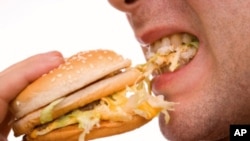
Americans love fast food. It's tasty and it's cheap. It's also heavy on fats and sugar. But nutritional epidemiologist Penny Gordon-Larsen found that when the price of fast food goes up, no matter how tasty it is, consumption goes down.

"What we found was that an 18 percent increase in soda price translated to a 56-calorie reduction per day, which translated further to less weight gain over a year," says Gordon-Larsen.

That, she says, could have a positive impact on public health.

Financial approach to a healthier population

For the past 20 years, Gordon-Larsen and her colleagues in the Department of Nutrition at the University of North Carolina have followed more than 5,000 adults in a national study of coronary artery disease risk. They tracked participants' eating habits on a regular basis, and compared them with food costs.

Click to Listen:

Download/Play Audio File


They found an inverse relationship between the cost and consumption of foods like sugary sodas and pizza.

The study's finding seems to confirm the value of a public health strategy like the one already in place in Philadelphia. The city has imposed a 2-cent tax on each ounce of soda sold - about 32 cents for a half-liter bottle.
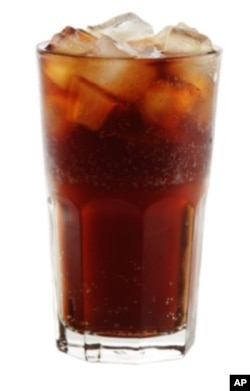
The city of Philadelphia has imposed a 2-cent tax on each ounce of soda sold. That adds up to about 32 cents for a half-liter bottle.

Gordon-Larsen says that if a similar soda tax were applied throughout the country, there could be a real impact on health. "At about that level of an increase, we would see that we would cut calories by about 124 calories per day and that you would have a large reduction in weight and risk of diabetes."

She notes that increased taxes on cigarettes have been especially effective in lowering smoking rates among teenagers. "In the adolescent age group, we would expect that the price manipulations would have a larger effect on caloric intake and also on weight."

Gordon-Larsen says her findings, coupled with the demonstrated effectiveness of cigarette taxes, suggest that increasing the price of so-called junk foods like soda and pizza may help steer Americans to a healthier diet. And that, in turn, could lead to lower rates of diabetes and obesity.


You May Like

Pakistan Reiterates Opposition to US Drone Strikes

Day earlier US President Barack Obama justified 'constrained' drone usage to save lives More

Study Identifies Risks of Human Spread of H7N9 Bird Flu

Study suggest that international measures to contain the H7N9 influenza, in the event of severe outbreak, will need to be targeted in Asia More

Violence Continues in Conakry Over Upcoming Elections

Opposition has called for boycott of elections More

Video Syria's Civil War Fuels Violence in Iraq

Analysts say al-Qaida-linked militants are flowing back and forth from both countries More

Video Star Trek Influence Lives Long and Prospers

As new movie thrills, many are once again discussing the iconic franchise's influence on society, science and technology More

OECD: Developing Green Cities Key to Sustainable Future

OECD suggests strategies to mitigate rapid growth, industrialization in urban centers, which produce about two-thirds of greenhouse gas emissions More

This forum has been closed.
Comments
     
There are no comments in this forum. Be first and add one

Featured Videos

Your JavaScript is turned off or you have an old version of Adobe's Flash Player. Get the latest Flash player.
Video

Video Volunteers Help Revive LA's Concrete River

The Los Angeles River is a concrete drainage channel through much of its 80-kilometer length. It channels waste-water from storm drains and has become a receptacle for much of the city's trash. But as Mike O'Sullivan reports, the river is slowly being restored with the help of volunteers, who take part in an annual clean-up.