



Two weeks after nationwide protests ousted long-time Tunisian dictator President Zine el Abidine Ben Ali from power, the country's interim government has issued arrest warrants against the former president and his family for theft and other financial offenses. Ordinary Tunisians have settled accounts by looting and burning the property of a fabulously rich and corrupt ruling family.
Drivers slow down to stare at the once-sumptuous villa of Belhassen Trabelsi, the billionaire brother-in-law of Tunisia's ousted president Zine el Abidine Ali. From the outside, there isn't much to look at - just a whitewashed wall with Arabic graffiti.
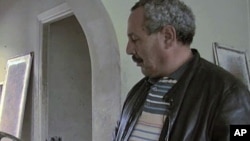
Teacher Neji Jaffali translates the graffiti: "This is the museum of Belhassen Trabelsi - the robber and assassin."
Hundreds of Tunisians like Jaffali are now flocking this "museum" - a looted and burnt-out shell filled with broken glass and garbage. Tunisians torched and trashed it hours after Ben Ali fled the country. Now they are stripping it to its very foundations.
Thirty-eight-year-old Kais Bouzidi is taking home some tiles. He said they will serve as a symbol of a band of robbers who stole everything in Tunisia.
Protesters who drove Ben Ali from the country also vented their anger against his extended family - looting and destroying the property of his in-laws, the Trabelsis, whom they consider the most blatant examples of his allegedly corrupt and excessive regime. Ben Ali's wife, Leila Trabelsi was a former hairdresser. Her family came from a humble background.
The Trabelsis ended up owning banks, media companies, tourist resorts - and car dealerships.
Taxi driver Adel Tatoui said he paid a steep price for his Volkswagen because of customs duties. He said he didn't have a choice. He claims Ben Ali's son-in-law Sakher Meteri had a monopoly on Tunisia's car industry as chairman of a leading dealership.
Tunisians call Ben Ali's extended clan "The Family" - or "The Mafia." Belhassan Trabelsi was considered the head of this "Mafia."
Businessman Monam Kria, who also is touring Belhassen's Carthage villa, likens the Trabelsi family wealth to that of African despots. "It's a level of wealthiness that shocked the people... all levels of society."
Tunis housewife Alma Mounis has managed to salvage plastic tops from instant coffee brands - brands working class Tunisians cannot afford to buy.
Mounis said Tunisians were staggered by the ruling family's fantastic wealth. Now, as she tours the villa, she finds they were tasteless.
Tunisia's interim government has arrested several dozen members of Ben Ali's extended clan. It also has issued international arrest warrants against others - including the ex-president - and Belhassen Trabelsi, who reportedly is in Canada.
Tunisians not only are searching for souvenirs of a hateful past - but also for justice.