



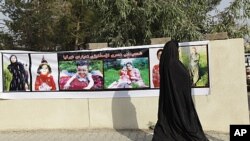
The conflict between the Turkish state and Kurdish rebel group the PKK continues to escalate as the Turkish armed forces in last few days have being bombarding PKK bases in neighboring northern Iraq. The conflict is set to further escalate with growing speculation that Turkish armed forces are preparing to cross into Iraq.
This week, 15 Turkish soldiers were injured by land mines. The attack was blamed on the Kurdistan Workers Party and is the latest event behind the escalation between the Turkish armed forces and the PKK.
For the last few days, the Turkish air force has been bombarding PKK bases in neighboring Iraq, claiming they have killed nearly a 100 rebels. The PKK claim only three have died.
Further escalation expected
Prime Minister Recep Tayyip Erdogan on Sunday promised it's just the beginning.
"Carrying out operations for the peace of the nation is the most natural right of the government," he said. "It is an obligation and we will do whatever it takes.
The conflict with the PKK, which is fighting for greater Kurdish rights, has been steadily escalating over the last couple of months.
In the run up to last June's general election, the army killed nearly two dozen rebels, a move that was seen as strengthening the prime minister's political power.
The rebels vowed revenge and after ending their unilateral cease-fire after the June election, killed nearly 40 soldiers.
Policy criticized
The spiral of violence worries member of parliament for the pro-Kurdish BDP Ertugral Kurkcu.
"The prime minister has a wrong idea that Kurds understand from force. But he is totally wrong, so this incorrect policies are going to be corrected in open struggle. This is only way the prime minister is leaving for the Kurdish people," said Kurkcu.
Analysts expect the violence to escalate farther with a widely expected cross border operation by the Turkish army into neighboring northern Iraq. The bulk of the PKK rebels are based in the mountainous region.
In the last couple of days, over 2,000 soldiers have been moved up to the border. But Brigadier Haldun Solmazturk, a veteran of some of the 30 plus Iraqi operation carried out since the 90s, says they have limited effect.
"The problem is mainly a Turkish problem inside Turkish borders. I mean the existence of PKK elements in the Kandil mountains is just a small extension of the major problems inside Turkey. So we have to accept that. And we have to avoid giving the Turkish people a false impression that once we cross the border, even way into northern Iraq and imprison their leaders, and I mean all of sudden the whole problem will evaporate; this is not the case," said Solmazturk.
There are diplomatic risks to any Iraqi incursion, according to international relations expert Soli Ozel. Although he says with Turkey's allies both in the U.S. and Europe remaining quiet over the Turkish armed forces bombardment of Iraqi territory, they suggests Ankara will be given a free hand.
"I don't think there will much pressure on Turkey to keep it short on too many protests. On the other hand how that will play out in the long run with the Iraqi government whether that will generate problems with the Kurdistan regional government and how will effect Turkey's own Kurds, remains to be seen," said Ozel.
Overture towards Iraqi Kurdish regional government
Ankara had in the past few years developed groundbreaking strong diplomatic and trade ties with the Iraqi Kurdish regional government.
But the Iraqi Kurdish leadership have already strongly condemned Turkey's airstrikes on its territory and said Ankara should solve its problems with its Kurdish minority in its own territory.
Ozel says the Turkish prime minister's increasingly tough stance toward the PKK could be part of a wider change in policy towards the Kurdish minority.
"They prefer to be proven right if they say PKK and the Kurdish question are two very different things. Remember the prime minister lately said, my Kurdish brothers have problems and there is no Kurdish problem, which is a way step back from where he was in 2005. I think he is deluding himself," said Ozel.
Two years ago, the Turkish prime minister unveiled an initiative to resolve the PKK conflict peacefully, but that broke down. Following the election again, Erdogan tentatively suggested that Kurdish demands could be met with a new constitution . But observers say hope of peaceful solution to the 27 year conflict are fast diminishing with rising fears of a further escalation in the fighting.