The Kuwaiti government has announced that it plans to host an international conference next month on helping solve Syria's growing humanitarian crisis.
Kuwait's leader Sheikh Sabah al-Ahmad al Sabah said on the sidelines of a Gulf Cooperation Council meeting in Bahrain Monday that he will host donors in late January. He said U.N. Secretary-General Ban Ki-moon originally proposed the conference.
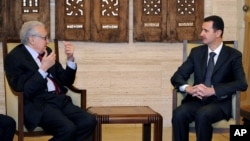
Earlier in the day, Mr. Ban's peace envoy to Syria, Lakhdar Brahimi, said he is still worried about Syria's civil war, after meeting with President Bashar al-Assad in Damascus.
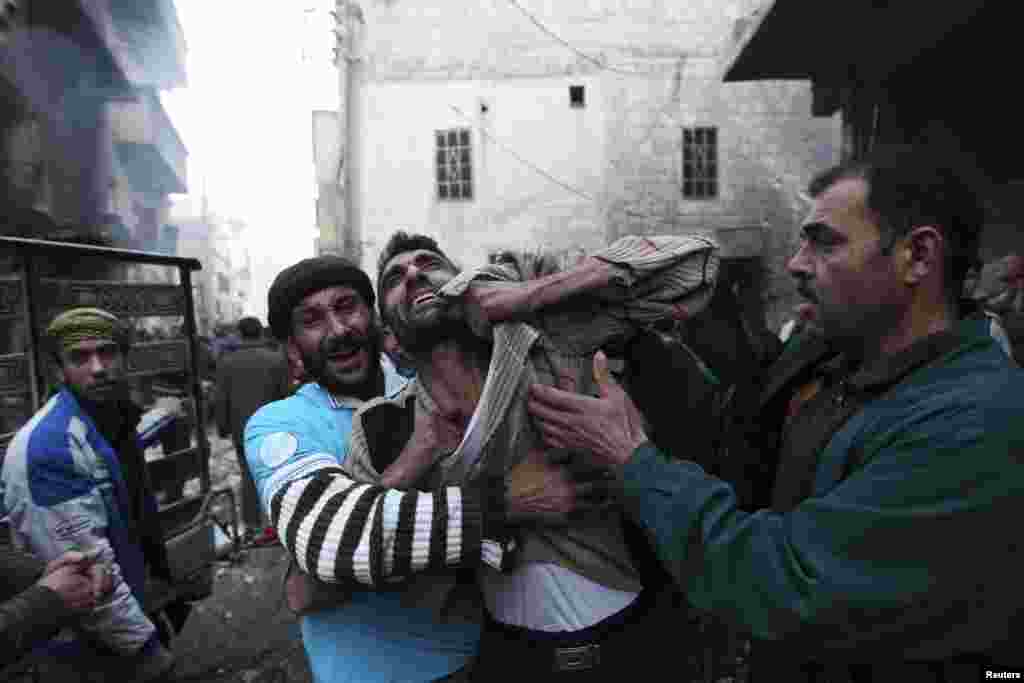
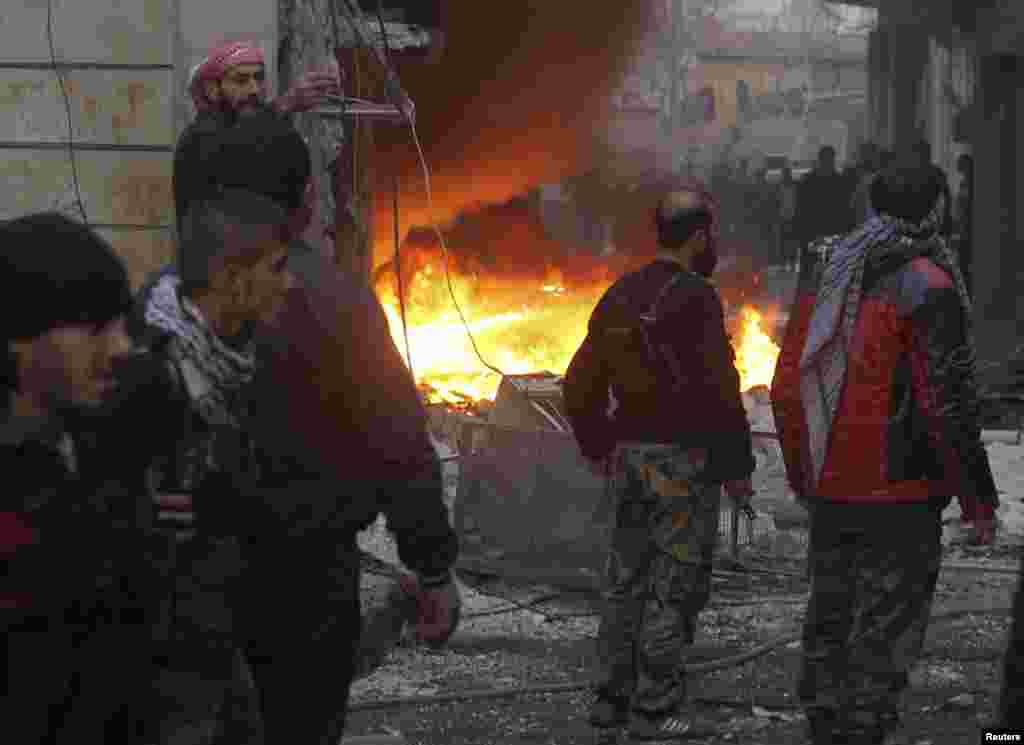
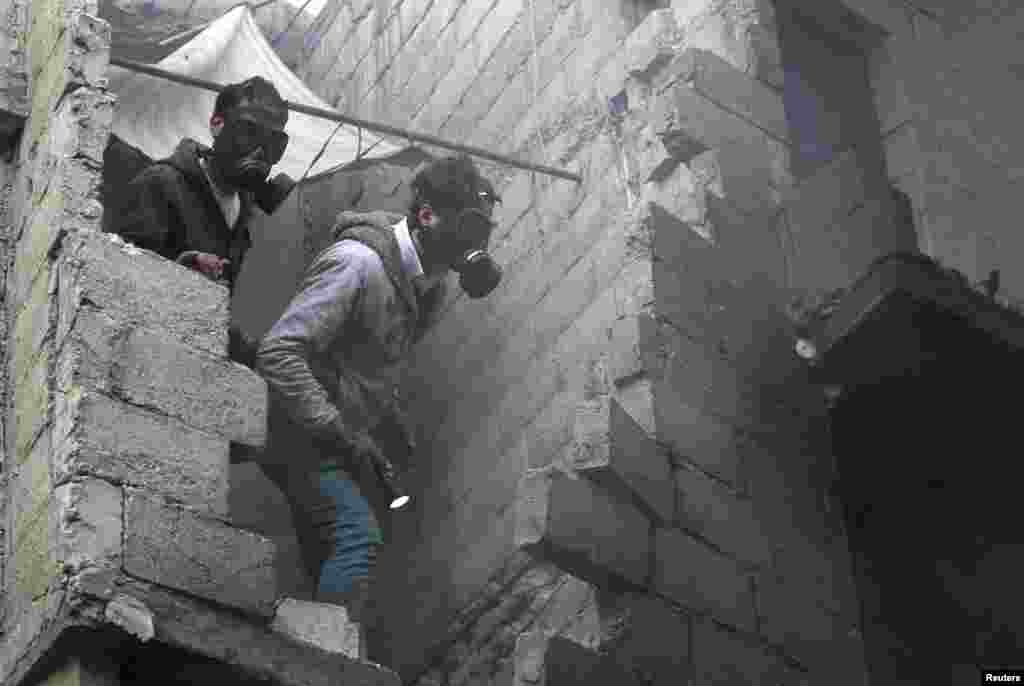
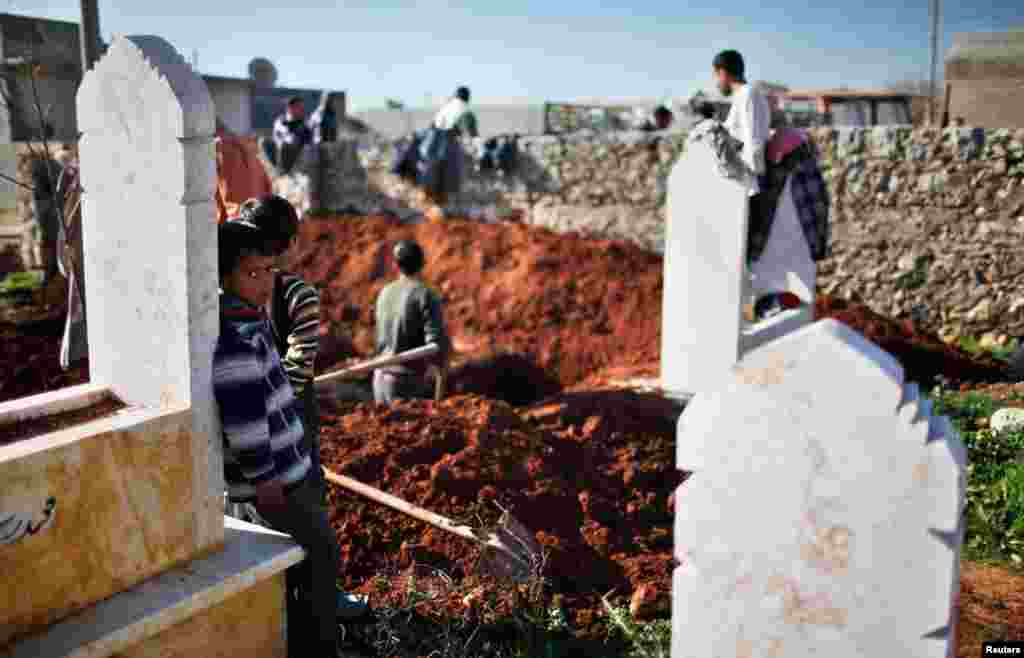
Fighting Rages in Syria's Civil War
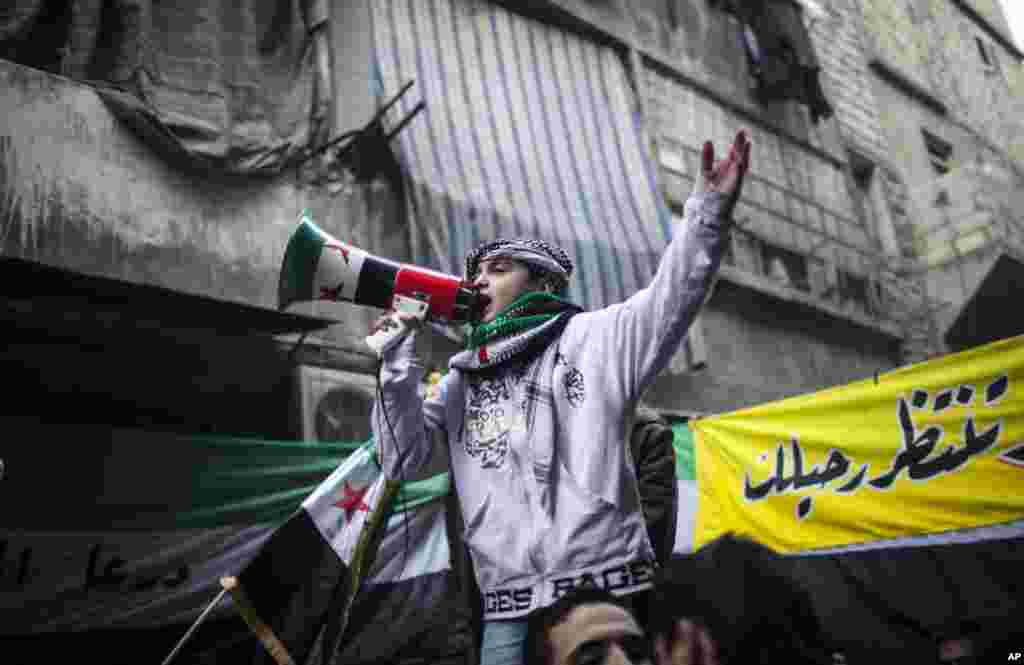
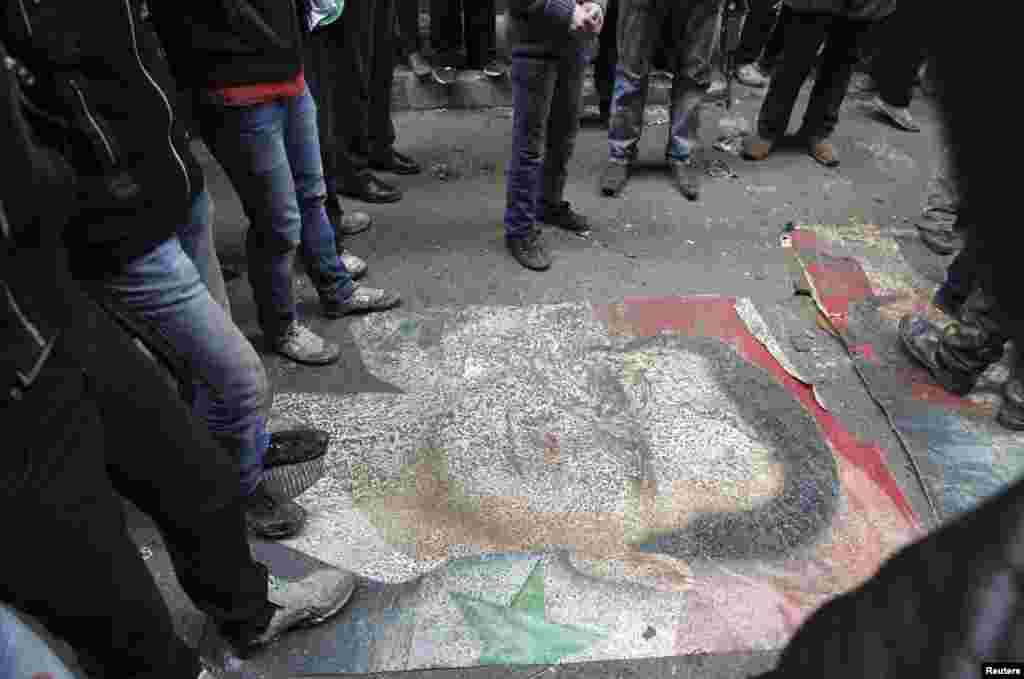
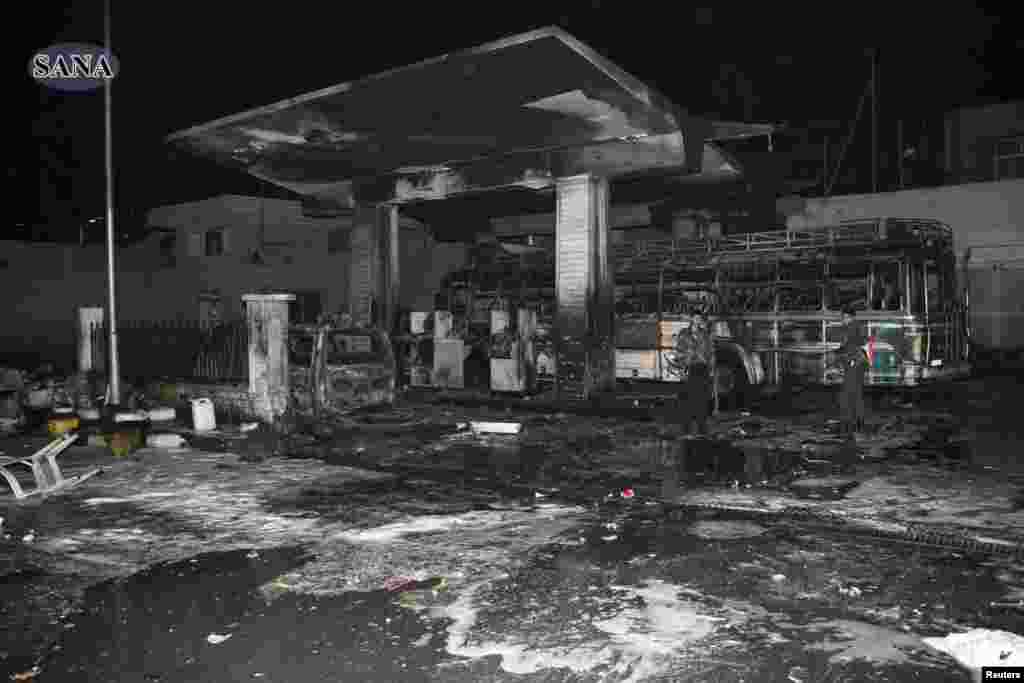

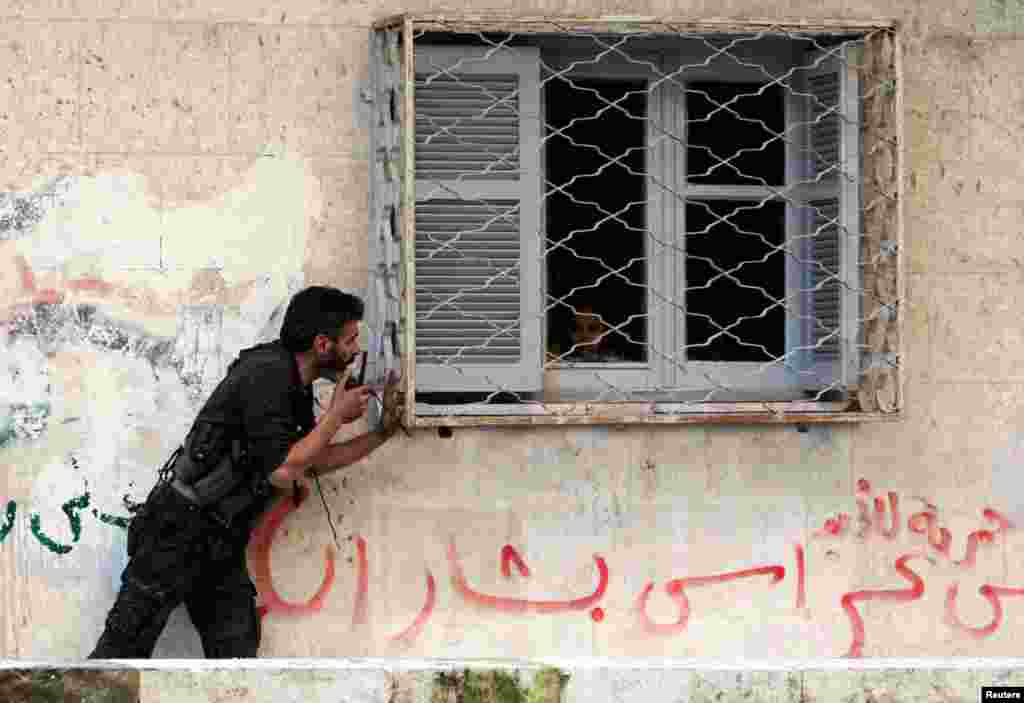
Brahimi said he discussed with Mr. Assad possible solutions to the 21-month crisis, but he did not elaborate. Syria's state news agency SANA quoted the president as saying he supports any peace effort that protects Syria's sovereignty and independence.
Fresh violence
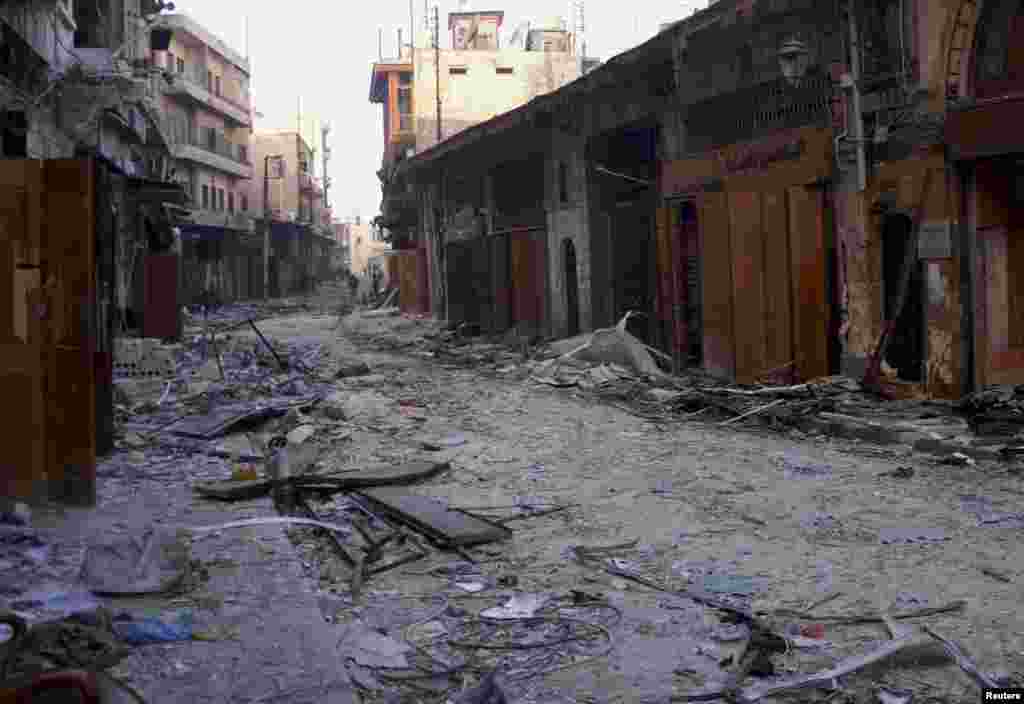
Brahimi's visit, his third since becoming the U.N.-Arab League envoy in September, coincided with a large explosion Sunday that killed more than 60 people in the central town of Halfaya in Hama province. The state news agency issued a report Monday denying opposition claims that government warplanes had bombed a bakery in the town, causing a massacre of civilians. Instead, SANA blamed the blast on "armed terrorists" -- its term for rebels trying to end Assad's 12-year rule.
Videos of the Halfaya incident posted by activists on the Internet appeared to show that most of the dead were men. It was not clear if the bombed-out building seen in the video was a bakery.
Late Monday, the U.S. government strongly condemned what it called "the latest vicious attacks by the Syrian regime against civilians" -- specifically the Halfaya incident. In a written statement, a State Department spokesman said such "brutal attacks" show that Assad's government "has no future in Syria."
Syrian opposition activists posted a video online that they claim shows the scene Monday of another deadly government air strike on a bakery, this time in Talbiseh in Homs province.
Chemical weapons
The Britain-based Syrian Observatory for Human Rights also accused government forces of using a lethal gas to kill rebels in the city of Homs on Sunday.
Syria has repeatedly vowed not to deploy chemical weapons against its own people. Russian Foreign Minister Sergei Lavrov, whose government is a Syrian ally, said any use of such weapons by the Assad government would be "political suicide." He made the comment in a Russian television interview broadcast Monday.
Rebels and exiled Syrian opposition groups have refused to negotiate with Assad, demanding instead that he step down and face justice. More than 40,000 people have been killed since the Syrian president began a violent crackdown on what began as a peaceful opposition uprising in March 2011.