


Controversial farmland deals in developing countries can have a negative impact on the people who live on the land, according to a new U.N. report.
While investment in agriculture is essential to help developing countries reduce hunger and poverty, the U.N. Food and Agriculture Organization says these large-scale "land grabs" don't always help.
The surging global demand for food, fodder and fuel crops is driving a land rush in parts of the developing world.
Investors are pouring money into large-scale farmland leases in Africa, Asia, former Soviet countries and elsewhere.
'Daylight robbery'
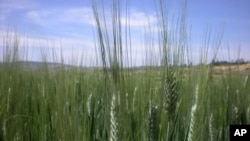
The Gambella region of Ethiopia is home to many such leases. It is also home to some of the last best farmland on Earth.
The Ethiopian government says it has leased more than 225,000 hectares to foreign investors, who have put more than $2 billion into the deals.
Ethiopian officials say this is just the kind of agricultural development the country needs to modernize farming, improve food production and provide jobs.
Obang Metho, who grew up in Gambella, sees it differently.
“I am not anti-investment," he says. "But I am anti-daylight robbery. What is going on in Africa is robbery.”
Metho heads the Solidarity Movement for a New Ethiopia, an activist group based in Washington. He says farmers in Gambella have been pushed off their land to make way for companies from China, India and Saudi Arabia that are exporting the harvest back to the home country.
Human Rights Watch estimates that 42 percent of the land in the region is leased or on offer.
Hungry nation
Metho says that’s a serious problem for a country like Ethiopia, with hunger problems of its own.
“If they have land to give to the Indians, or the Arabs, the Chinese, the Saudis to come," he asks, "why did Ethiopia not use this land to feed the Ethiopian people?”
Ethiopia’s Washington embassy says it's not displacing small-holder farmers, and that it takes great care not to infringe on the rights of local people.
But large-scale land deals in developing countries have become more common in recent years as global food commodity prices have spiked. Critics call them “land grabs.”
“'Land grab' is sort-of a controversial term, but I think it’s accurate in this case,” says Michael Kugelman, lead editor of "The Global Farms Race," a new book on agricultural investments and food security.
Search for farmland
He says food-importing countries are looking for farmland abroad to limit their exposure to volatile global markets.
“These food importing countries also lack the land and the water at home to do the farming themselves," he says. "So they’re going abroad to countries that are very willing to host them.”
Data are sketchy, but estimates of land leased are in the tens of millions of hectares worldwide.
Outcomes have been mixed, says Jomo Kwame Sundaram, economic and social development chief at the FAO.
The organization's new report highlights the need for investments in agriculture in the countries hosting these land deals. But Sundaram says land deals may not always be the best way to do it.
“Land acquisisions are one of the most difficult type of investments to produce the types of desirable outcomes that we have in mind, like food security, local economic development, etcetera,” he says.
Countries get better results from public-sector investments in research and infrastructure, for example.
Pocketing the proceeds
Michael Kugelman says the food security and economic development benefits promised to the people of the host countries have not materialized. But he says many of the governments have benefitted.
“A lot of the governments in the countries hosting the deals are corrupt, they’re not very democratic, and they’re happy just to pocket some of the proceeds from these investments.”
And some of these deals are sparking conflict.
Protesters overthrew the government of Madagascar in 2009 in part because of a land deal that would have leased half the country's arable land to a South Korean firm. The new government canceled the deal.
Responsible investment
International organizations, including the FAO and the World Bank among others, have developed voluntary guidelines for responsible land investment to try to promote more equitable investment.
The FAO’s Jomo Sundaram says the investor community wants the guidelines, too.
“There is quite a bit of demand by the private sector for those guidelines that will help them to protect their own investments,” he says.
But Obang Metho from the Solidarity Movement for a New Ethiopia doubts that voluntary guidelines will change the behavior of corrupt and autocratic governments.
“As long as the regime doesn’t respect the rights of their people, nothing will work,” he says.
Meanwhile, the rising demand for food will continue to drive fierce competition for the limited remaining land on which to grow it.
While investment in agriculture is essential to help developing countries reduce hunger and poverty, the U.N. Food and Agriculture Organization says these large-scale "land grabs" don't always help.
The surging global demand for food, fodder and fuel crops is driving a land rush in parts of the developing world.
Investors are pouring money into large-scale farmland leases in Africa, Asia, former Soviet countries and elsewhere.
'Daylight robbery'
The Gambella region of Ethiopia is home to many such leases. It is also home to some of the last best farmland on Earth.
The Ethiopian government says it has leased more than 225,000 hectares to foreign investors, who have put more than $2 billion into the deals.
Ethiopian officials say this is just the kind of agricultural development the country needs to modernize farming, improve food production and provide jobs.
Obang Metho, who grew up in Gambella, sees it differently.
“I am not anti-investment," he says. "But I am anti-daylight robbery. What is going on in Africa is robbery.”
Metho heads the Solidarity Movement for a New Ethiopia, an activist group based in Washington. He says farmers in Gambella have been pushed off their land to make way for companies from China, India and Saudi Arabia that are exporting the harvest back to the home country.
Human Rights Watch estimates that 42 percent of the land in the region is leased or on offer.
Hungry nation
Metho says that’s a serious problem for a country like Ethiopia, with hunger problems of its own.
“If they have land to give to the Indians, or the Arabs, the Chinese, the Saudis to come," he asks, "why did Ethiopia not use this land to feed the Ethiopian people?”
Ethiopia’s Washington embassy says it's not displacing small-holder farmers, and that it takes great care not to infringe on the rights of local people.
But large-scale land deals in developing countries have become more common in recent years as global food commodity prices have spiked. Critics call them “land grabs.”
“'Land grab' is sort-of a controversial term, but I think it’s accurate in this case,” says Michael Kugelman, lead editor of "The Global Farms Race," a new book on agricultural investments and food security.
Search for farmland
He says food-importing countries are looking for farmland abroad to limit their exposure to volatile global markets.
“These food importing countries also lack the land and the water at home to do the farming themselves," he says. "So they’re going abroad to countries that are very willing to host them.”
Data are sketchy, but estimates of land leased are in the tens of millions of hectares worldwide.
Outcomes have been mixed, says Jomo Kwame Sundaram, economic and social development chief at the FAO.
The organization's new report highlights the need for investments in agriculture in the countries hosting these land deals. But Sundaram says land deals may not always be the best way to do it.
“Land acquisisions are one of the most difficult type of investments to produce the types of desirable outcomes that we have in mind, like food security, local economic development, etcetera,” he says.
Countries get better results from public-sector investments in research and infrastructure, for example.
Pocketing the proceeds
Michael Kugelman says the food security and economic development benefits promised to the people of the host countries have not materialized. But he says many of the governments have benefitted.
“A lot of the governments in the countries hosting the deals are corrupt, they’re not very democratic, and they’re happy just to pocket some of the proceeds from these investments.”
And some of these deals are sparking conflict.
Protesters overthrew the government of Madagascar in 2009 in part because of a land deal that would have leased half the country's arable land to a South Korean firm. The new government canceled the deal.
Responsible investment
International organizations, including the FAO and the World Bank among others, have developed voluntary guidelines for responsible land investment to try to promote more equitable investment.
The FAO’s Jomo Sundaram says the investor community wants the guidelines, too.
“There is quite a bit of demand by the private sector for those guidelines that will help them to protect their own investments,” he says.
But Obang Metho from the Solidarity Movement for a New Ethiopia doubts that voluntary guidelines will change the behavior of corrupt and autocratic governments.
“As long as the regime doesn’t respect the rights of their people, nothing will work,” he says.
Meanwhile, the rising demand for food will continue to drive fierce competition for the limited remaining land on which to grow it.