UN Aid Workers Assess North Korea's Flooded Regions
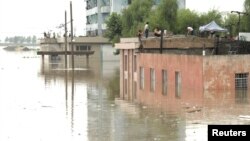
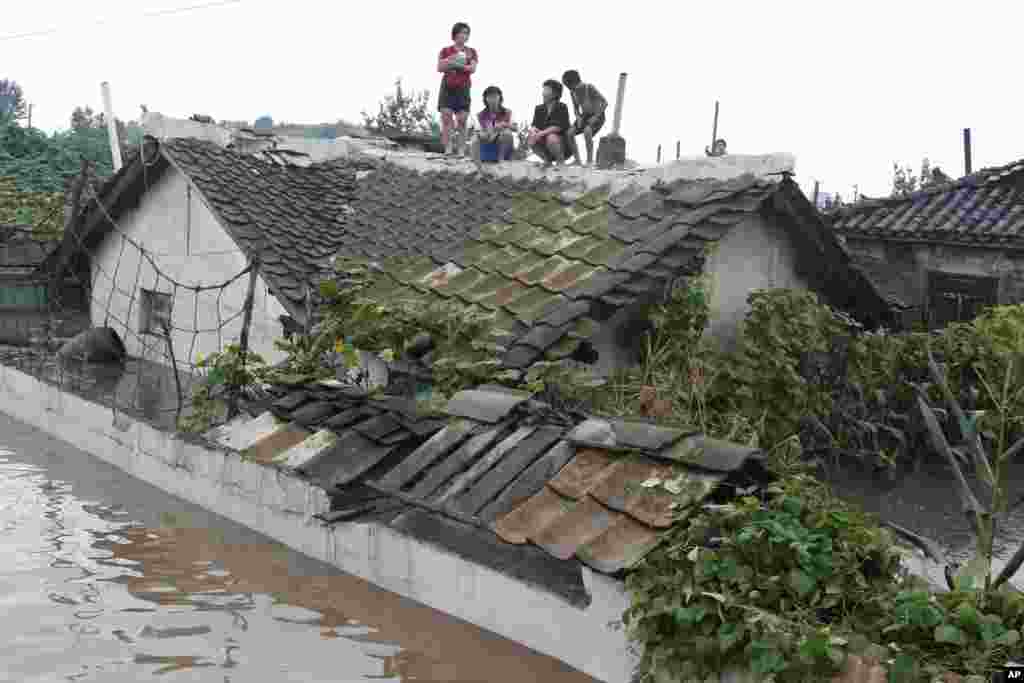
North Koreans are seen on the tops of houses at a flooded village in Anju, July 30, 2012.
A U.N. humanitarian agency says it has sent aid workers to two North Korean regions hit by severe floods to assess the need for relief supplies.
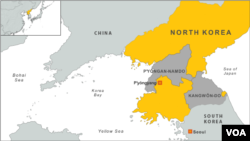
UNICEF spokesman Christopher de Bono said U.N. personnel based in North Korea left the capital, Pyongyang, on Tuesday to visit the flood-ravaged provinces of South Pyongan and Kangwon.
Week-long deluge
North Korea flooded provinces
Heavy rains have triggered deadly floods across much of North Korea since July 25. State media last reported a death toll of 88 people on Saturday. There was no immediate word on casualties from downpours on Sunday and Monday.
North Korea said the floods also have left tens of thousands of people homeless and caused widespread damage to farmland. It has not made any formal requests for foreign assistance.
Government pledges reconstruction
In a report Tuesday, Pyongyang's official news agency KCNA said Premier Choe Yong Rim visited several hard-hit towns, consoling residents and promising government support for reconstruction. It says he also called for planting more trees to prevent soil erosion. Many parts of North Korea have become prone to flooding because of deforestation.
A U.S. State Department spokesperson said that Washington continues to be concerned about the North Korean people, but has no plans to make its own assessment of the impact of the floods. She said the United States does not link the provision of humanitarian assistance to political or security issues.
A recent U.N. report said two-thirds of North Korea's 24 million people face chronic food shortages. Analysts say the latest flooding could make matters worse, since it came at the end of a drought.
North Korea Floods
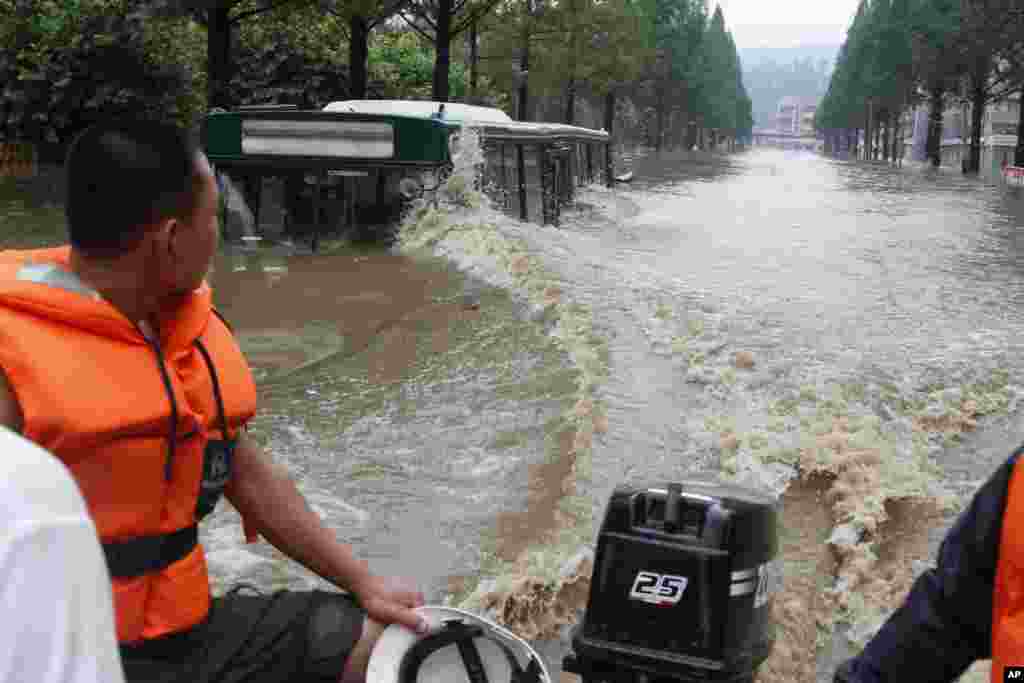
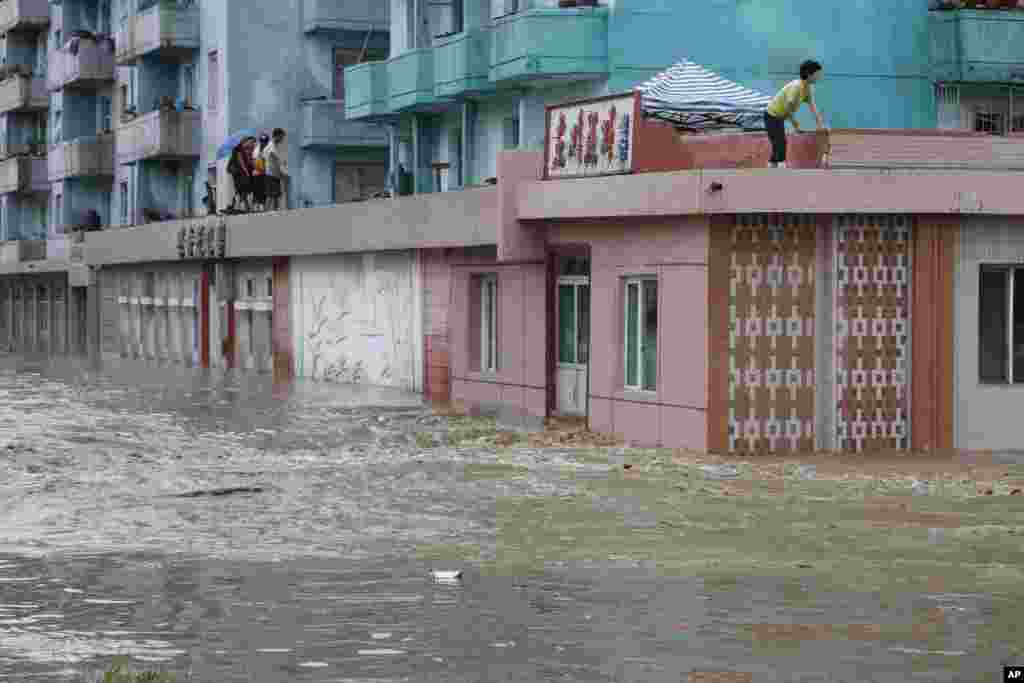
1/6A rescue boat sails through a flooded street in Anju City, South Phyongan Province, North Korea, July 30, 2012.
North Korea says torrential rains spawned by a typhoon killed at least 88 people and left thousands homeless.
Show moreShow less
2/6A boat goes pass a flooded street in Anju City, South Phyongan Province, in North Korea, July 30, 2012.
North Korea says torrential rains spawned by a typhoon killed at least 88 people and left thousands homeless.
Show moreShow less
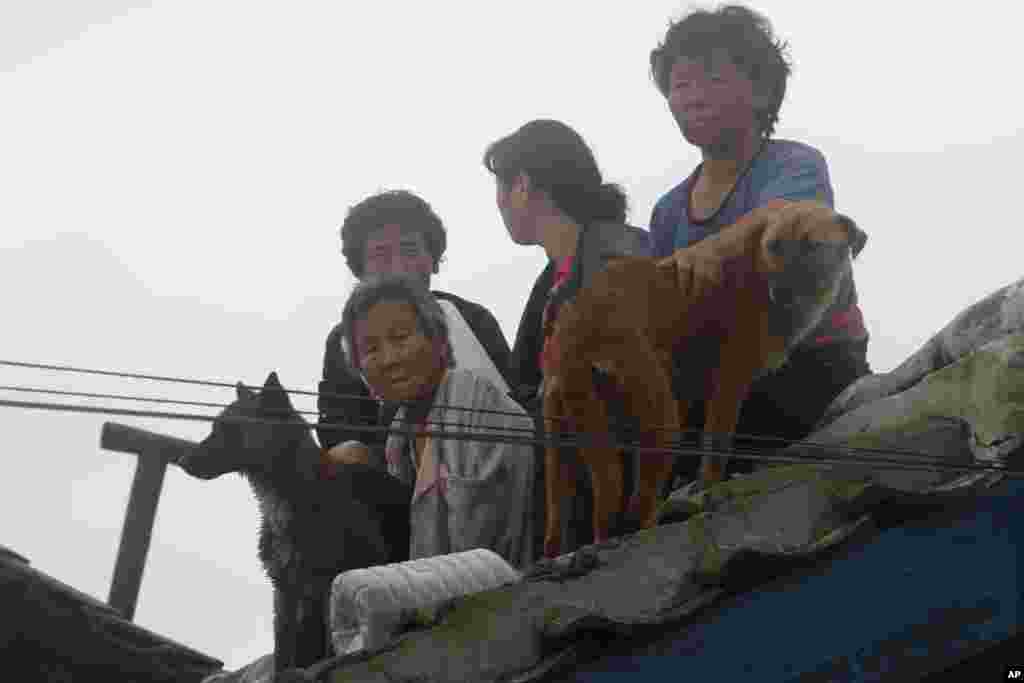
3/6Residents wait on the roof of a flooded building in Anju City, South Phyongan Province, North Korea, July 30, 2012.
North Korea says torrential rains spawned by a typhoon killed at least 88 people and left thousands homeless.
Show moreShow less
4/6Residents wait on the roof of a flooded building in Anju City, South Phyongan Province, North Korea, July 30, 2012.
North Korea says torrential rains spawned by a typhoon killed at least 88 people and left thousands homeless.
Show moreShow less
5/6Residents wait on the roof of a flooded building in Anju City, South Phyongan Province, North Korea, July 30, 2012.
North Korea says torrential rains spawned by a typhoon killed at least 88 people and left thousands homeless.
Show moreShow less
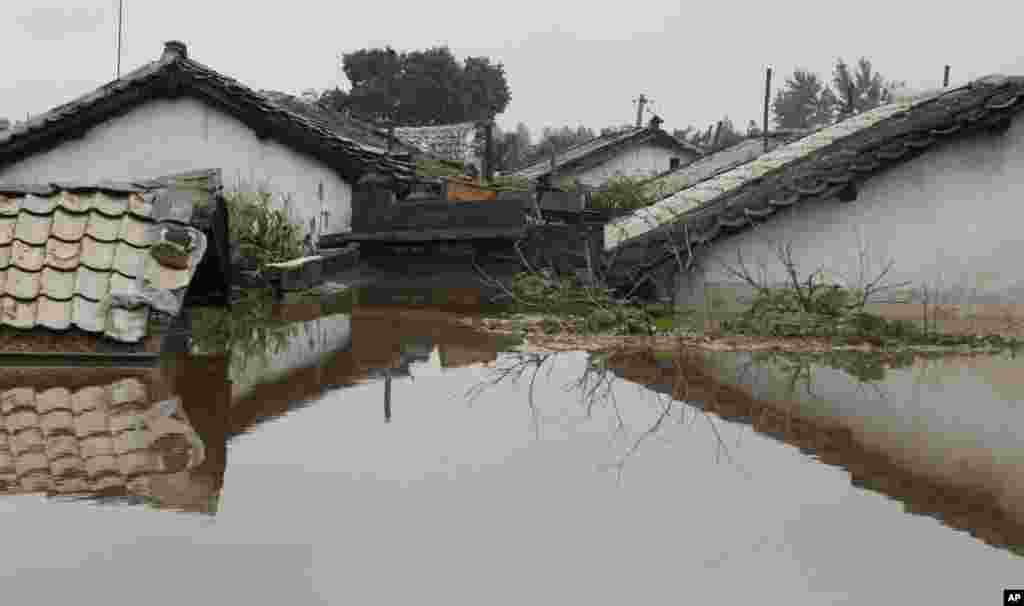
6/6Houses are submerged in a flood water in Anju City, South Phyongan Province, North Korea, July 30, 2012.
North Korea says torrential rains spawned by a typhoon killed at least 88 people and left thousands homeless.
The Voice of America provides news and information in more than 40 languages to an estimated weekly audience of over 326 million people. Stories with the VOA News byline are the work of multiple VOA journalists and may contain information from wire service reports.