


The United Nations High Commissioner for Human Rights is calling for an end to ethnic and religious violence in Nigeria’s “Middle Belt,” particularly in and around the city of Jos. U.N. officials want national and local authorities to address the underlying causes of the deadly attacks.
Violent ethnic and religious clashes erupted early last month in Nigeria’s so-called Middle Belt causing death, injury and destruction. The United Nations reports about 70 people have been killed so far.
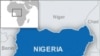
Ethnic and religious divisions have affected this region for many years, provoking a cycle of violence and deadly reprisal attacks. Nigeria's Middle Belt divides the predominantly Christian south from the mainly Muslim north.
In a statement released Friday, U.N. Human Rights Chief, Navi Pillay called for a concerted effort to deal with the underlying causes of such repeated violent outbreaks. Her spokesman, Rupert Colville, says Nigerian authorities should take immediate steps to prevent further violence.
“We encourage the authorities at national and local level to take effective preventative measures against such violence, including by curbing hate-speech and working with civil society, including human rights NGOs [non-governmental organization], religious leaders and academic institutions, to attempt to bring about reconciliation between the various communities. It is of utmost importance that justice is done and is seen to be done by prosecuting the alleged perpetrators of violence, whoever they may be and ensuring remedies for victims and their families,” Colville said.
Colville says the security forces also must act within the law, and they must be even-handed in their treatment when responding to outbreaks of violence in the country.
He says the security forces sometimes make the situation worse by appearing to take one side or the other. And, he notes they sometimes react with excessive force, which makes the situation worse.
“In the past, they have gone into Jos and into other areas and reacted very heavy handedly, which resulted in civilians getting killed and just accelerating the resentments. So, that is something, I think, that the authorities need to try and work on,” Colville said.
Colville describes in appalling detail the vicious attacks, which have occurred between Christian and Muslim youths since early August. In the last such assault, which took place September 4, he says a family of eight was hacked to death. And, he says seven more people were reported killed that evening in attacks by youths on a village near Jos.
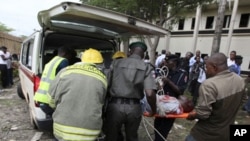
The High Commissioner for Human Rights also condemns the brutal tactics of the militant Islamist group Boko Haram. The militants claimed responsibility for the August 26 bombing of U.N. headquarters in the Nigerian capital, Abuja. More than 20 people were killed and dozens seriously wounded.
UN Urges Nigeria to Stop Ethnic, Religious Violence
- By Lisa Schlein