


WASHINGTON — The United States is aiming to reduce the number of new HIV infections by 25 percent by 2015. A top U.S. health official told the International AIDS Conference the goal is part of a national HIV-prevention strategy that other countries should also develop.
Assistant Secretary for Health Howard Koh told delegates from around the world that national strategies are critical to reducing the spread of AIDS.
"National strategies outline a framework for responding to AIDS in ways that reflect the country's unique epidemiology, disease burden and trends," said Koh. "And they demonstrate importance of country ownership and the need to maximize the efficiency and effectiveness of HIV/AIDS programs."
He said the United States would achieve the 25 percent reduction over the next three years by treating people who already have the virus, and by increasing the proportion who know that they have HIV. It is estimated that one in five do not their status.
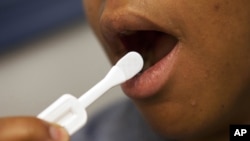
Koh cited a program in Washington, D.C, at the Department of Motor Vehicles. "So customers waiting in line for a driver's license or other services can get a free HIV test," added Koh.
Koh said 1.1 million Americans are living with AIDS, with around 50,000 new infections annually. He said the African-American and Latino men who have sex with men, women of color and drug users in urban areas are most affected.
More than 23,000 researchers, activists and others are attending the AIDS conference, which runs until Friday.
Assistant Secretary for Health Howard Koh told delegates from around the world that national strategies are critical to reducing the spread of AIDS.
"National strategies outline a framework for responding to AIDS in ways that reflect the country's unique epidemiology, disease burden and trends," said Koh. "And they demonstrate importance of country ownership and the need to maximize the efficiency and effectiveness of HIV/AIDS programs."
He said the United States would achieve the 25 percent reduction over the next three years by treating people who already have the virus, and by increasing the proportion who know that they have HIV. It is estimated that one in five do not their status.
Koh cited a program in Washington, D.C, at the Department of Motor Vehicles. "So customers waiting in line for a driver's license or other services can get a free HIV test," added Koh.
Koh said 1.1 million Americans are living with AIDS, with around 50,000 new infections annually. He said the African-American and Latino men who have sex with men, women of color and drug users in urban areas are most affected.
More than 23,000 researchers, activists and others are attending the AIDS conference, which runs until Friday.