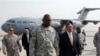



All U.S. combat troops will be out of Iraq by the end of the month. The road south to Kuwait has been a hotbed of anti-American violence, roadside bombs and assaults by insurgents. Teams like Minnesota's 1st Platoon A-Company 2-135 Infantry are clearing the last stretch of highway from Iraq to Kuwait of threats to exiting convoys.
It’s just another day for the men assigned to protect American convoys leaving Iraq. Troops, trucks and cargo travel the Main Supply Route into Kuwait… mostly without incident… because of soldiers like these.
"Our task is to do a patrol," said Team Leader, Lieutenant Derek Malner. "The purpose is to not only clear the route… but also to deter threats, if there were enemy activity on that route for convoys moving north and south."
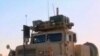
They are called CSTs… or, convoy security teams, and it’s units like this one that ride in the military’s heavily armored, IED-defeating Caiman truck. They travel north from Kuwait to the Iraq border - the K-Crossing - where they receive their mission briefing, assemble their .50 caliber turret-mounted machine guns, and head out into the desert.
It’s not long before the security team experiences radio troubles.
So they stop. All of them. Out here, in the desert, groups like this must work together to survive in the vast emptiness of southern Iraq… because usually, nothing good waits for them.
"There was a vehicle trailing us with their lights on, when we started slowing down, they turned their lights off and did a U-turn," said Malner.
And A-Company followed….
"For every situation, we have the correct, practiced reaction," said Lieutenant Malner.
The vehicle is not a threat…and the team rendezvouses with one of the last convoys passing through Iraq to provide safe passage to Kuwait.
"It’s our duty," said Malner. "We’re infantrymen. Tonight was easy. Tonight was a 10-hour event. Quick: get in; get out. Support the convoys that are moving north and south."
"This is my job; this is what I signed-up to do," said gunner, Sergeant Ryan Appleby. "And whether I like it or not I’m going to do it… I’m going to do it right."
Specialist Sean Raleigh was here in 2003, at the onset of the U.S. invasion… and now he’s here in its final days.
"A lot happened between the beginning and no, but coming in and closing the door. It’s definitely the biggest reality check was: I swore that I’d never come back here. And here I am again," said Raleigh.
And here they’ll be until the last convoy passes into Kuwait. For the men of the 2-135… it’s just another day at the office. For the thousands of Americans heading south into Kuwait… it’s their ticket to safe passage across the desert of southern Iraq.