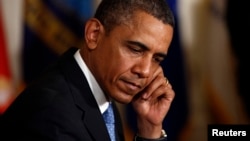
U.S. President Barack Obama during an event in the East Room of the White House in Washington, April 30, 2013.
U.S. President Barack Obama reportedly is considering supplying weapons to the Syrian opposition, a move the United States has resisted because of fears the arms could end up in the hands of al-Qaida-linked Islamist militants fighting alongside rebel forces.
Senior White House officials say the president has not yet made a decision, but has asked his national security team to identify ways the United States can increase its assistance. So far, that aid has been limited to non-lethal support.
In Syria Wednesday, activists reported several rockets fell on a Damascus neighborhood, a day after a wave of insurgency-related violence hit the Syrian capital and a northern border crossing into Turkey.
It is not clear what U.S. equipment is under consideration for the Syrian rebels, who have requested antitank weapons and surface-to-air missiles.
Suppling weapons would bring the U.S. in line with Arab countries like Saudi Arabia and Qatar, which are already arming the rebels, and with Britain and France, which want to lift an EU arms embargo on Syria to aid insurgents seeking to topple President Bashar al-Assad.
While U.S. aid for the opposition "has been on an upward trajectory," officials say efforts are still being explored to achieve a political solution to the Syrian crisis, which has stretched on for more than two years.
Images from Syria
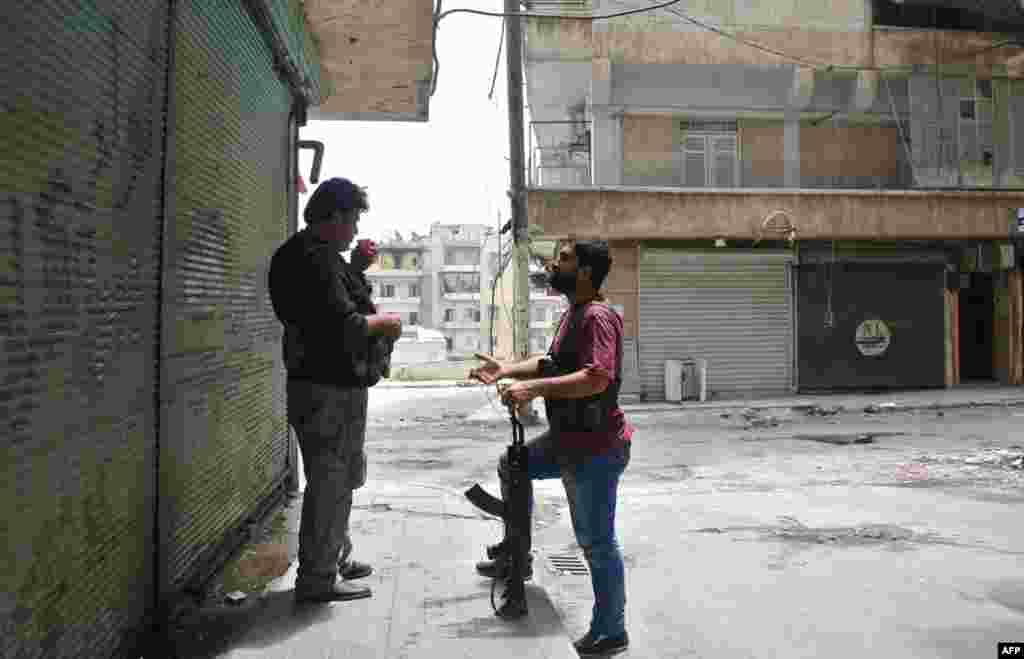
1/13Rebel fighters of the Syrian Kurdish Popular Protection Units (YPG) talk in the Sheikh Maqsoud neighborhood of Aleppo, May 9, 2013.
Show moreShow less
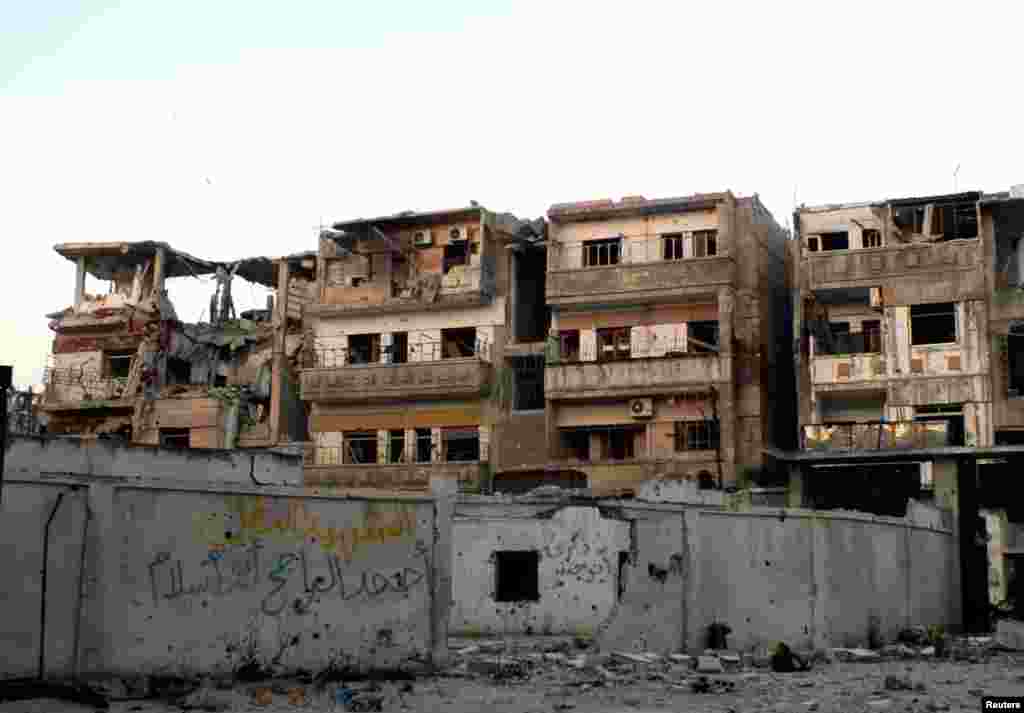
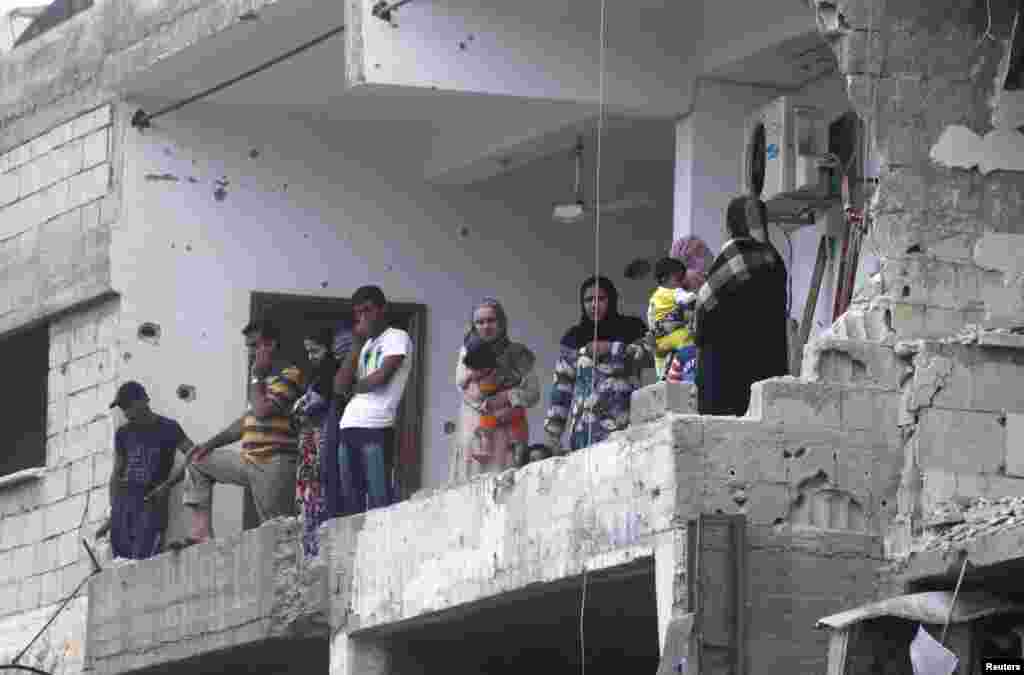
2/13A view shows damaged buildings and debris in the Khaldiyeh district of Homs, May 9, 2013.
Show moreShow less
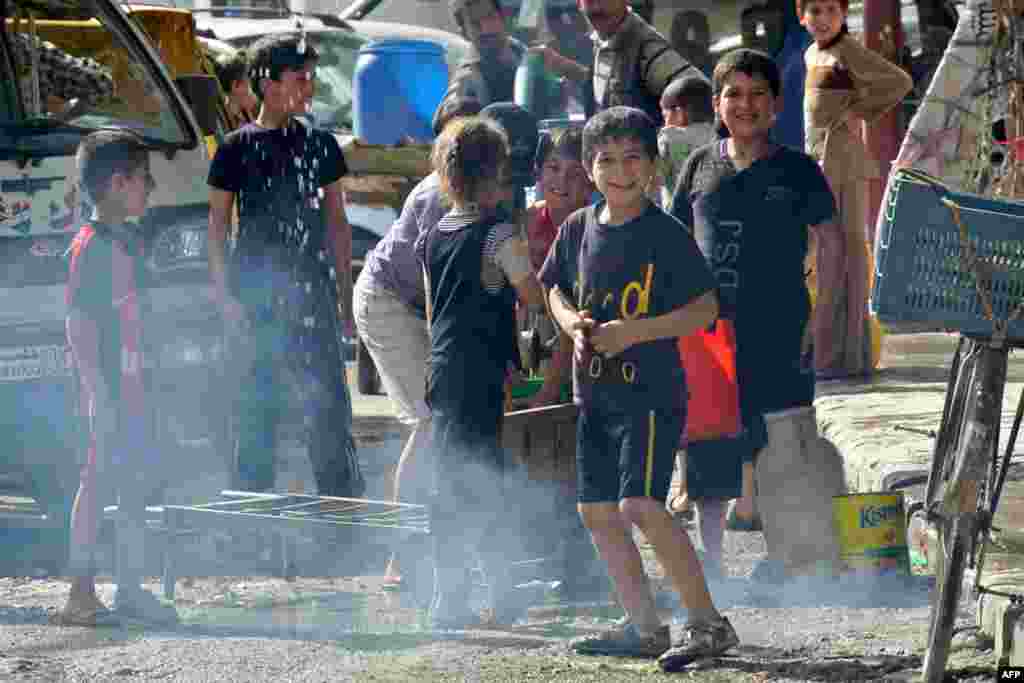
3/13Syrian children play near a water distribution point in the Almyassar central district of Aleppo, May 8, 2013.
Show moreShow less
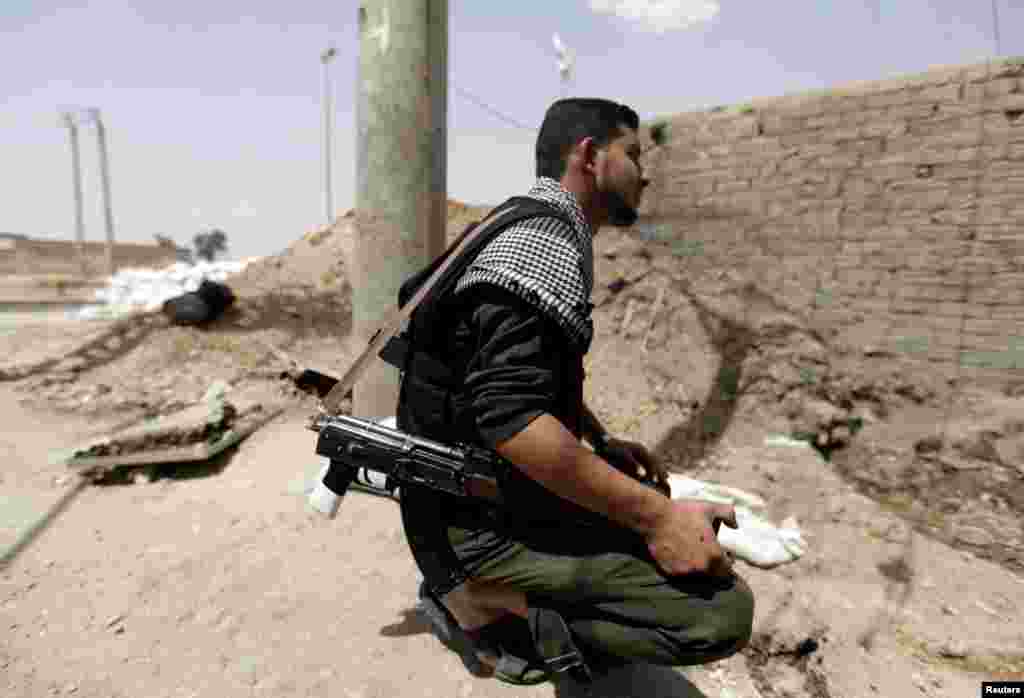
4/13A Free Syrian Army fighter holds his weapon in Raqqa province, east Syria, May 6, 2013.
Show moreShow less
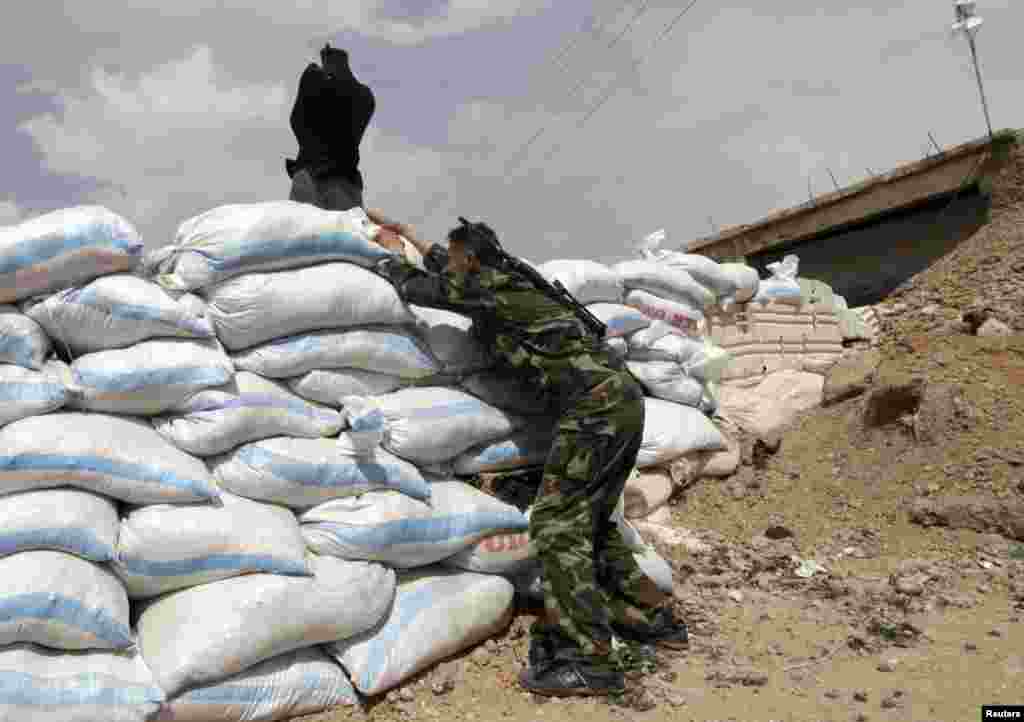
5/13A Free Syrian Army fighter stands behind a pile of sandbags in Raqqa province, east Syria, May 6, 2013.
Show moreShow less
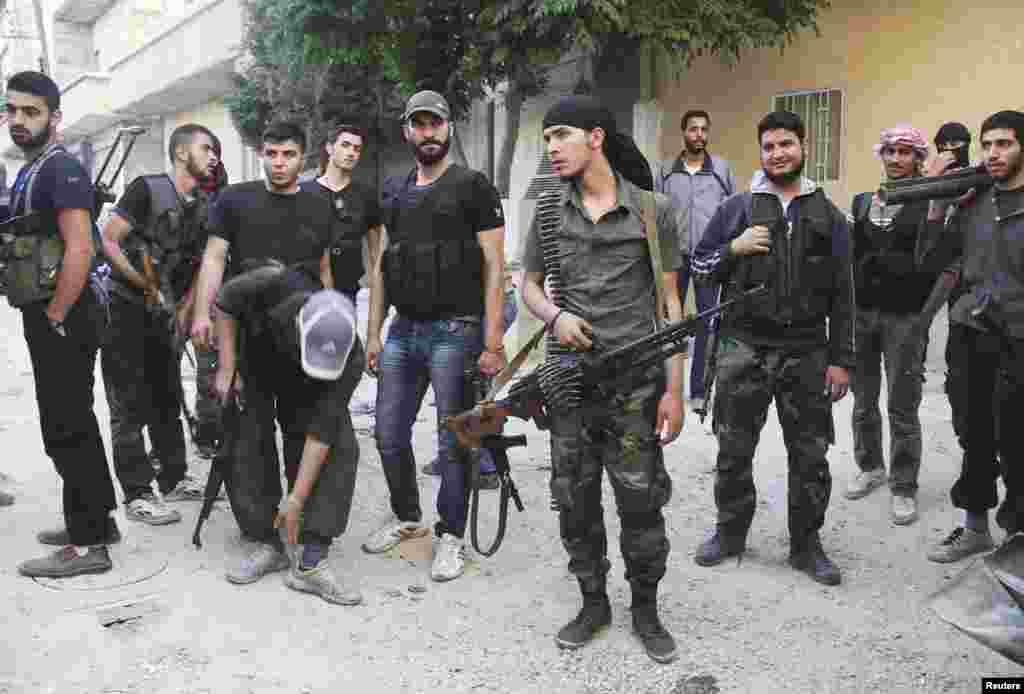
6/13Free Syrian Army fighters prepare to head toward the front line in the al-Ziyabiya area, Damascus, May 5, 2013.
Show moreShow less
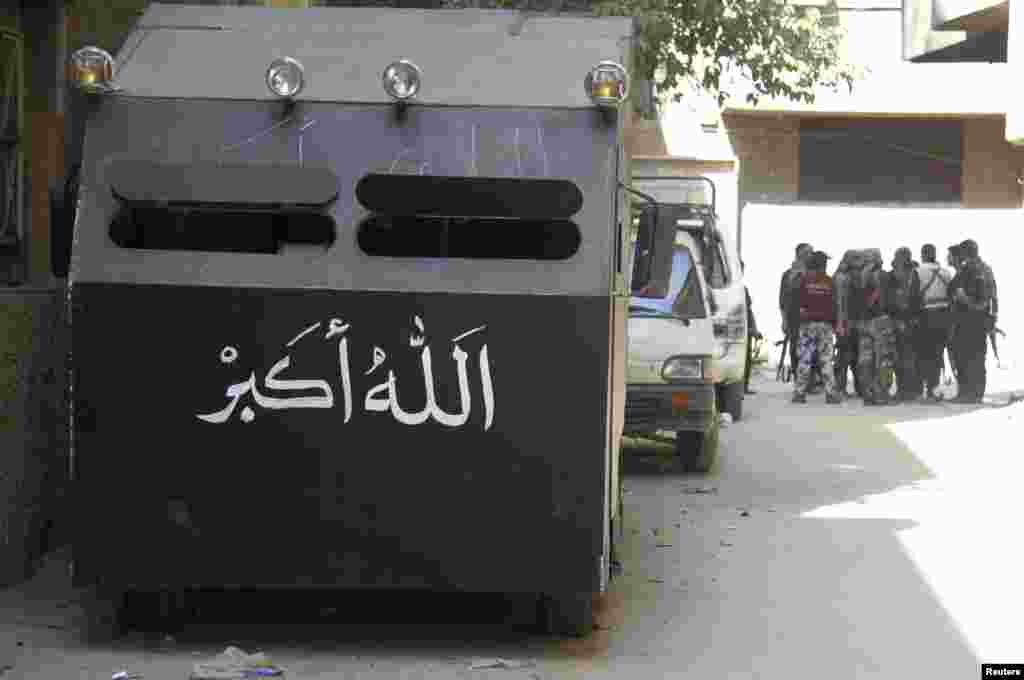
7/13An armored vehicle is seen parked as Free Syrian Army fighters gather on a street in the refugee camp of Yarmouk, near Damascus, May 5, 2013.
Show moreShow less
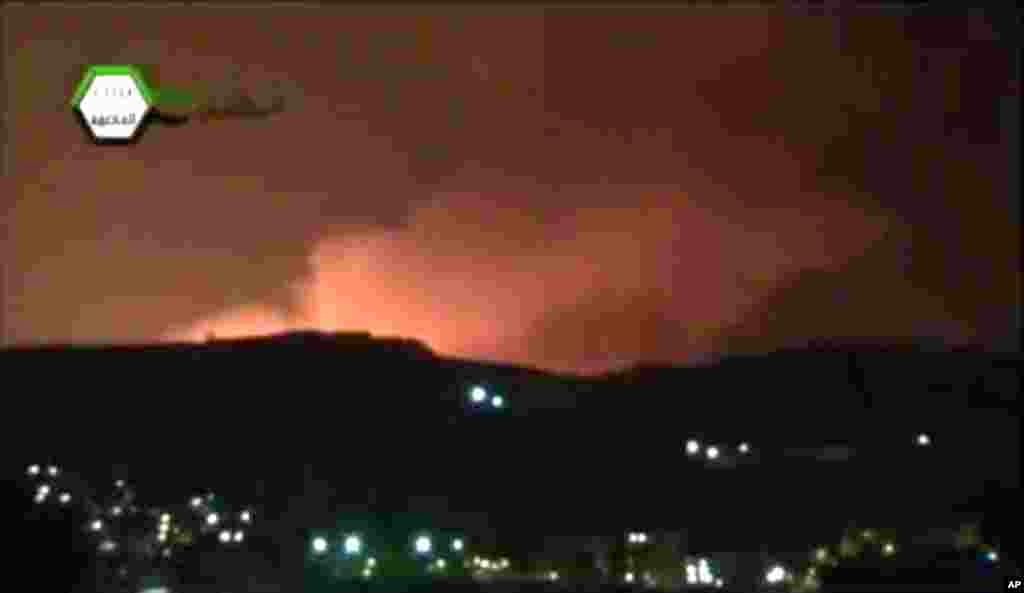
8/13This image taken from video obtained from the Ugarit News shows smoke and fire filling the the skyline after an Israeli airstrike, Damascus, May 5, 2013.
Show moreShow less
9/13This photo released by the Syrian official news agency SANA shows damaged buildings wrecked by an Israeli airstrike in Damascus, May 5, 2013.
Show moreShow less
10/13This image provided by ENN shows a protester with a sign reading "If America does not know who used the chemical weapons, so it could be flying saucers from another planet," Sarmada, Idlib, Syria, May 3, 2013.
Show moreShow less
11/13A man reacts after his grandson was injured during what activists said was shelling by forces loyal to Syrian President Bashar al-Assad, Raqqa province, Syria, May 2, 2013.
Show moreShow less
12/13Residents inspect a damaged building that was shelled by forces activists say were loyal to Syrian President Bashar al-Assad, Raqqa province, Syria, May 2, 2013.
Show moreShow less
13/13This photo released by the Syrian official news agency SANA shows Syrian President Bashar al-Assad visiting the Umayyad Electrical Station, Damascus, Syria, May 1, 2013.
Show moreShow less
Previous slide
Next slide
President Obama said Tuesday he needs more facts about chemical weapons use in Syria before committing to stronger action against Assad's government.
Obama has called the use of chemical weapons in Syria a "game changer," but refused to give details on what options he would consider.
In a letter to the U.S. president Tuesday, the commander of the rebel Free Syrian Army complained that "Assad is not taking your carefully phrased condemnations as warnings, but as loopholes," which justify the continued "small-scale" use of chemical weapons.
General Salim Idriss underlined his plea for U.S. military assistance, saying the FSA under his command has "neither the training nor the equipment to counter the effects of Assad's chemical weapons or to destroy them."
He also said weapons of mass destruction would "not be welcome" in a "future, free Syria."
Last week, the White House told lawmakers it believes "with varying degrees of confidence" that the Assad government has used sarin gas against rebels. Britain and France have asserted that such evidence exists.
United Nations Secretary-General Ban Ki-moon is urging Syria to allow an immediate and unconditional investigation into the allegations.
Syria's U.N. Ambassador Bashar Ja'afari denied his government has used chemical weapons, instead accusing rebels of using them.
The Voice of America provides news and information in more than 40 languages to an estimated weekly audience of over 326 million people. Stories with the VOA News byline are the work of multiple VOA journalists and may contain information from wire service reports.