Science & Technology

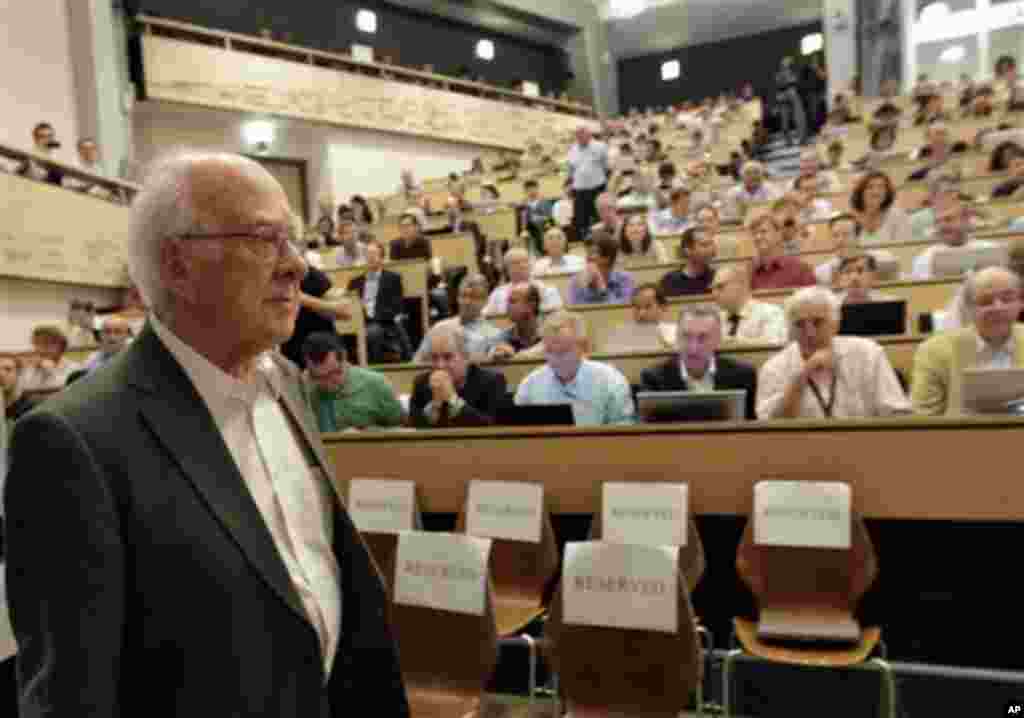
  • British physicist Peter Higgs, who first theorized the existence of the boson 40 years ago, attends a scientific seminar near Geneva following the discovery of the subatomic particle on July 4, 2012.
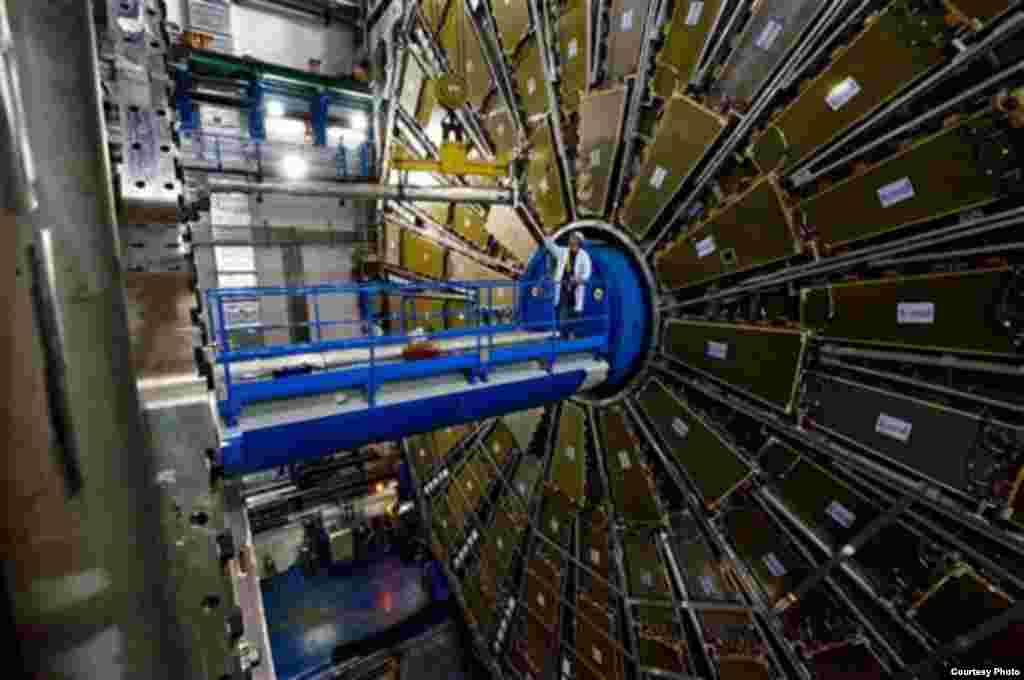
  • Researchers working with a $5.5 billion atom smasher at the CERN particle physics lab in Geneva observed the elusive Higgs boson particle, which holds the key to explaining how other elementary particles get their mass. (Maximilien Brice and Claudia Marce
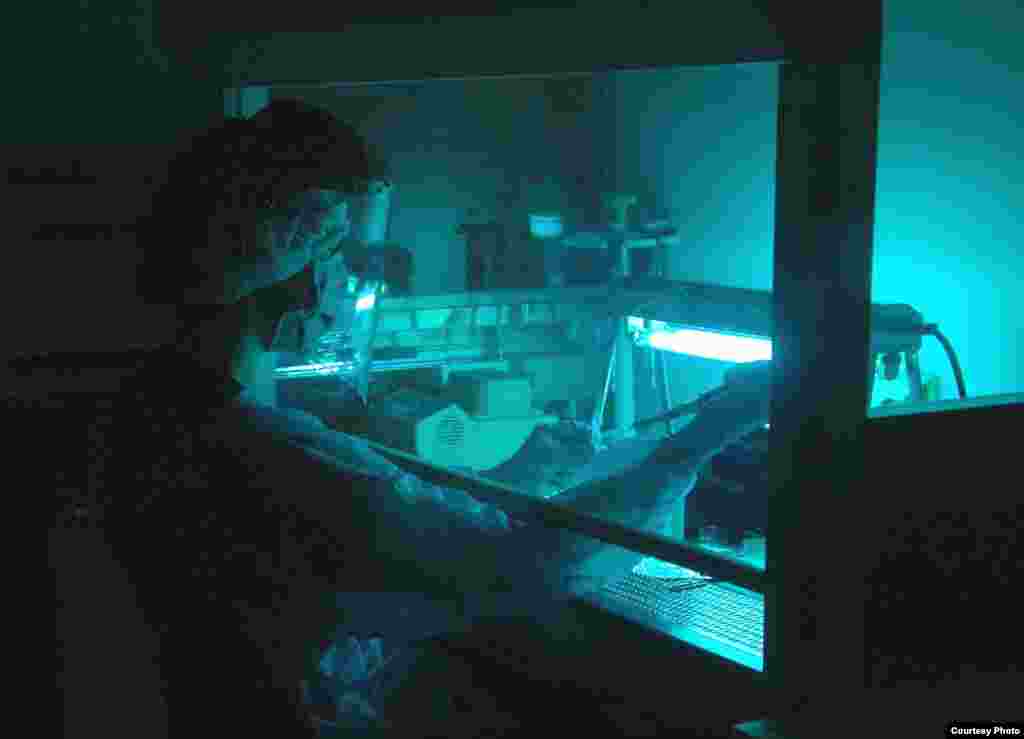
  • A new technique that binds special molecules to single strands of DNA allowed researchers to sequence the complete Neanderthal-related Denisovan genome from a tiny fragment of ancient finger bone. (Max Planck Institute for Evolutionary Anthropology)
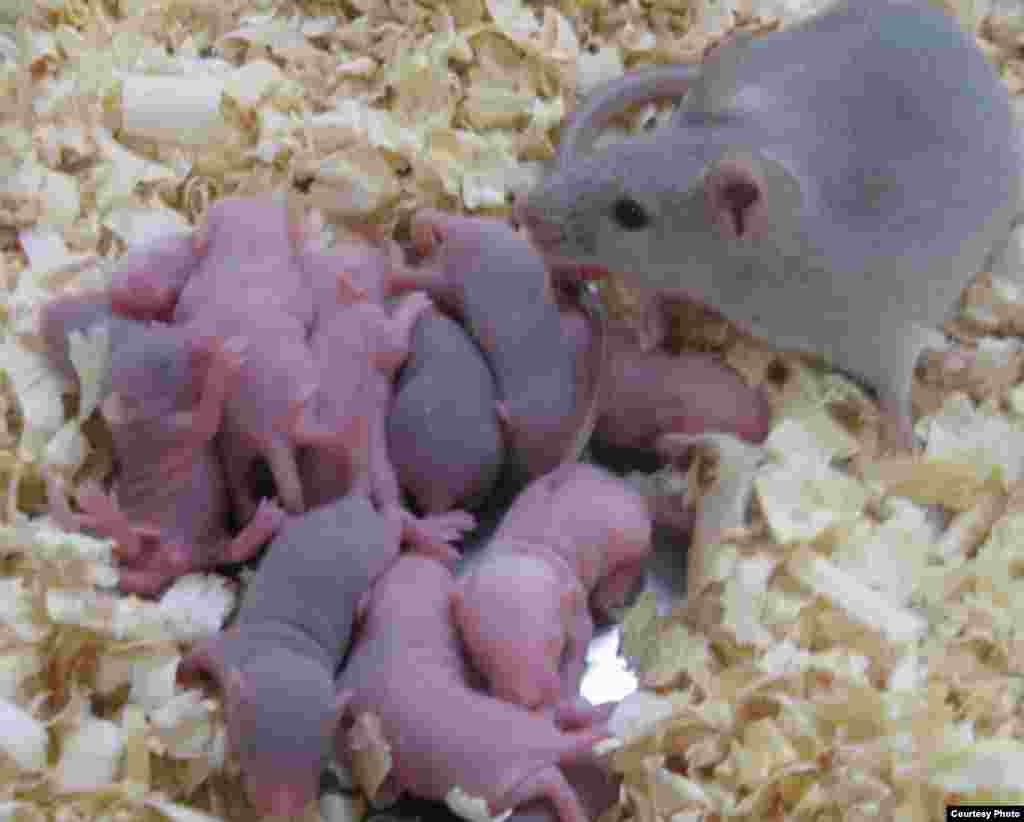
  • Japanese researchers show that embryonic stem cells from mice could be coaxed into becoming viable egg cells. (Katsuhiko Hayashi)
  • Though unable to test their rover’s entire landing system under Martian conditions, mission engineers at NASA’s Jet Propulsion Laboratory safely and precisely placed the Curiosity rover on the surface of Mars. (NASA/JPL-Caltech)
  • A team of physicists and chemists in the Netherlands provided the first solid evidence of the existence of particles that act as antimatter and annihilate themselves. (Mourik, K. Zuo, S. M. Frolov, S. R. Plissard, E. P. A. M. Bakkers, L. P. Kouwenhoven)
  • A new scientific tool gave researchers the ability to activate or alter specific genes in Zebra fish, toads, livestock and other animals, even cells from patients with disease. (Science/AAAS)
  • Researchers used a laser one billion times brighter than conventional X-ray sources to determine the structure of an enzyme required by the parasite that causes African sleeping sickness. (Michael Duszenko, University of Tübingen)
  • A decade-long project found the human genome is more “functional” than believed and may help clarify genetic risk factors for disease in the future. (Sciece/AAAS)
  • The same team that showed how the mind could be used to move a cursor on a computer screen, showed in 2012 that paralyzed human patients could move a mechanical arm and perform complex movements in three dimensions. (Johns Hopkins University Applied Physi
  • Hundreds of researchers in China described how elusive particles called neutrinos, born in the sun’s nuclear furnace, morph as they travel to earth at near-light speed. (NASA/SDO/GSFC)

Science Breakthroughs 2012

Published December 27, 2012

2012 was an exciting year of scientific breakthroughs. Editors of the journal Science have put together a top-ten list, featured here courtesy of the American Association for the Advancement of Science.


You May Like

Pakistan Reiterates Opposition to US Drone Strikes

Day earlier US President Barack Obama justified 'constrained' drone usage to save lives More

Study Identifies Risks of Human Spread of H7N9 Bird Flu

Study suggest that international measures to contain the H7N9 influenza, in the event of severe outbreak, will need to be targeted in Asia More

Violence Continues in Conakry Over Upcoming Elections

Opposition has called for boycott of elections More

Video Syria's Civil War Fuels Violence in Iraq

Analysts say al-Qaida-linked militants are flowing back and forth from both countries More

Video Star Trek Influence Lives Long and Prospers

As new movie thrills, many are once again discussing the iconic franchise's influence on society, science and technology More

OECD: Developing Green Cities Key to Sustainable Future

OECD suggests strategies to mitigate rapid growth, industrialization in urban centers, which produce about two-thirds of greenhouse gas emissions More