


With Egypt’s economy growing at a healthy 5 percent, Egypt’s President Abdel Fattah el-Sissi won an easy reelection this year. But his hold on power may be imperiled as Egyptians struggle to cope with rising food prices that have come alongside economic reforms and austerity measures mandated by the International Monetary Fund. This month, IMF officials called on Egypt to deepen those reforms in order to secure continued growth. Positive growth figures, however, mean little to average Egyptians who are feeling the sting of rising food prices as they shop at Cairo’s food markets ahead of the Muslim holy season of Ramadan that start on May. Hamada Elrasam captures their stories.
Egypt's Economic Numbers Look Good, but Approach of Ramadan Tells a Different Story
5
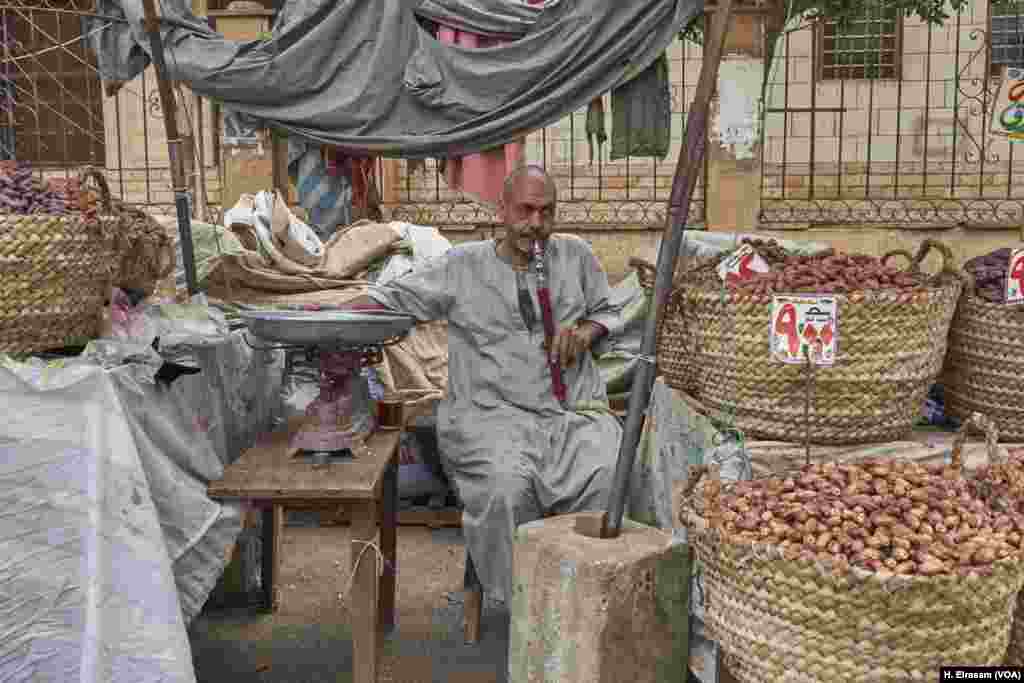
Anter, another date vendor says the quality of this year’s crop is “better than last year, but no one has the money for it.”
6
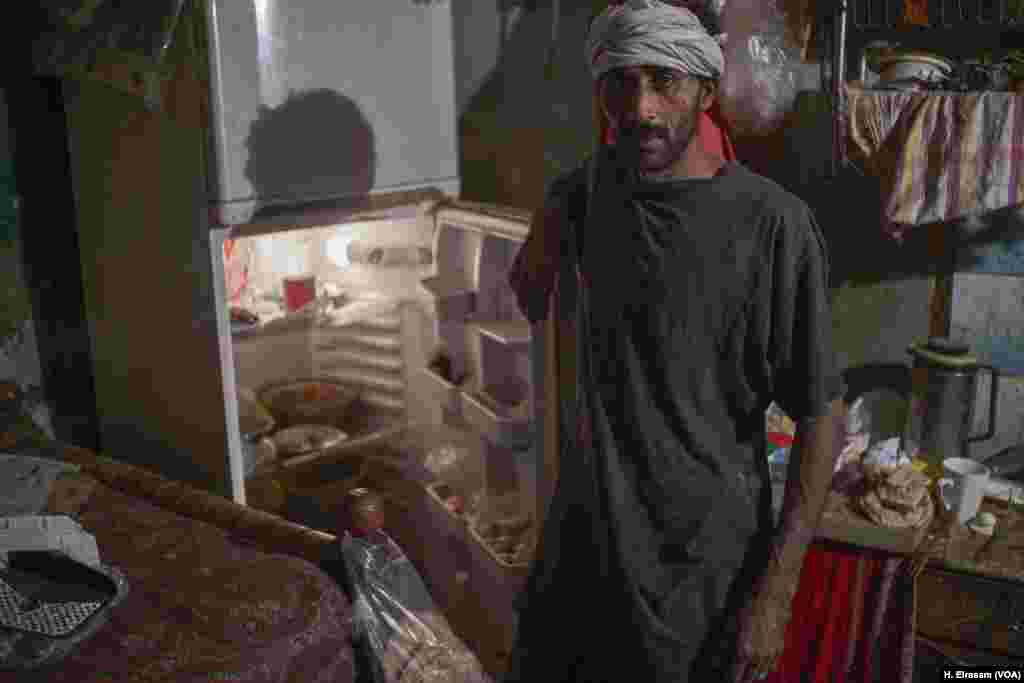
Mohamed, a father of five, shows his largely empty refrigerator. “We use the refrigerator for practically just cooling water these days.”

7
Analysts like Mohsen Abdulrazik, chief economics editor at Al-Masry newspaper, warn the hardships that average Egyptians are facing could threaten el-Sissi's grip. “The Egyptian government should provide an additional package for social securing, and find a solution for the negative effects on those with limited income because of the financial measures they have taken,” he said.

8
A campaign poster left over from the March election hangs over a café in central Cairo. El-Sissi ran largely uncontested and secured an easy victory thanks in part to good economic numbers.