


News / Middle East

Egypt's Tantawi to Partially Lift State of Emergency Wednesday

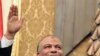
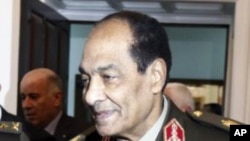
Field Marshal Hussein Tantawi, the head of Egypt's ruling Supreme Council of the Armed Forces (SCAF), in Cairo, Egypt, December  22, 2011.
Field Marshal Hussein Tantawi, the head of Egypt's ruling Supreme Council of the Armed Forces (SCAF), in Cairo, Egypt, December 22, 2011.
TEXT SIZE - +

Egyptian military ruler Mohamed Hussein Tantawi says he will partially lift the country's 30-year-long state of emergency, beginning on Wednesday. Egypt has been under pressure to lift the measure from human rights groups as well as many countries, including the United States.

In a nationally televised address Tuesday, Field Marshal Tantawi said he decided to lift the state of emergency except in cases of fighting acts of "thuggery." He did not elaborate.

Egyptians have lived continuously under emergency law since Islamists assassinated President Anwar Sadat in 1981. The law was extended repeatedly during the near-30 year rule of his successor, Hosni Mubarak, and remained in force under the Tantawi-led military council that took over from Mubarak in a popular uprising last February.

The widely-disliked emergency law allows Egyptian authorities to ban public gatherings, detain people indefinitely without charge and put civilians on trial in military courts that rights groups say do not meet international standards of fairness.

Field Marshal Tantawi's military council expanded the scope of the law last year to prohibit labor strikes, demonstrations that disrupt traffic and the spreading of false information deemed harmful to national security.

He made the announcement a day after Egypt's newly-elected lower house of parliament held its first meeting since the uprising that ousted Mubarak, with Islamist lawmakers dominating the assembly.

Some information for this report was provided by AP, AFP and Reuters.

Join the conversation on our social journalism site - Middle East Voices. Follow our Middle East reports on Twitter and discuss them on our Facebook page.

You May Like

Experts Weigh In on Challenges of Closing Guantanamo Prison

Former chief military prosecutor at Guantanamo delivers petition to White House with more than 370,000 signatures, demanding facility be closed down immediately More

Karzai to Discuss Enhancing Defense Ties with India

Afghanistan looking for more military aid as it prepares for withdrawal of NATO forces by next year More

India, China Pledge to Overcome Border Tensions

Indian prime minister and Chinese premier attempt to move past tense standoff in the Himalayas during Delhi talks More

Burmese President Opens US Visit with VOA Town Hall Meeting

Ahead of his meeting with President Obama Monday, Thein Sein answered questions on human rights and economic development in his country More

This forum has been closed.
Comments
     
There are no comments in this forum. Be first and add one

Featured Videos

Your JavaScript is turned off or you have an old version of Adobe's Flash Player. Get the latest Flash player.
Video

Video US Oil Surge Could Impact Mideast Geopolitics

The United States will account for a third of new oil supplies over the next five years, and will become energy self-sufficient in 20 years, according to a new report by the Paris-based International Energy Agency (IEA). Although U.S. oil imports from Arab Gulf countries increased last year, analysts predict the U.S. will lose its dependence on Middle East imports, which is expected to have a huge impact on international relations and the balance of power. VOA's Henry Ridgewell reports.